
Nestled in the pastoral landscape of Ashley Falls, a 289-year-old house holds stories that shaped a nation, and a quiet architectural grace that makes it feel like the most important home you’ve never heard of.
A Hidden Gem in the Berkshire Hills
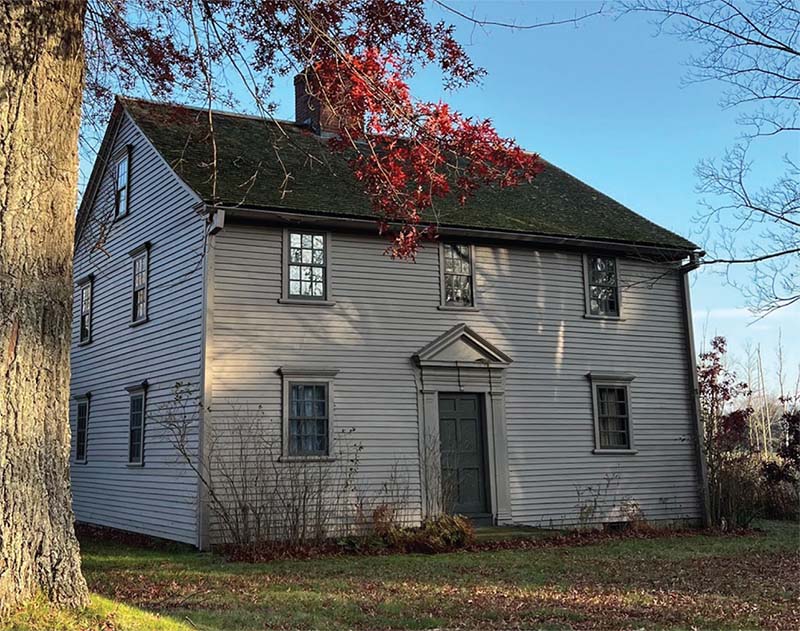
In the southwestern corner of Massachusetts, where the Housatonic River winds through meadows and stone walls define ancient property lines, stands a house that looks remarkably unremarkable at first glance. The Colonel John Ashley House, tucked away on Cooper Hill Road in Sheffield’s Ashley Falls district, possesses the kind of unassuming dignity that defines the best of New England architecture. But step closer to this weathered saltbox, and you’ll discover that within its hand-hewn beams and wide-board floors, some of the most pivotal moments in American history unfolded.
Built in 1735 and recognized as one of the oldest houses in southern Berkshire County, the Ashley House represents more than just early colonial craftsmanship. It stands as a testament to the complex layers of American story-telling, where the pursuit of freedom played out in the most intimate of settings, the family home.

The Architecture of Permanence
Colonel John Ashley and his wife Hannah Hogeboom built this center-chimney saltbox home with an integral lean-to in 1735, when Ashley was just 25 years old. The house embodies everything we love about early 18th-century New England architecture: it’s honest, functional, and built to last centuries.
The saltbox form, that distinctive asymmetrical profile with a long, sloping roofline extending toward the north, wasn’t chosen for aesthetics alone. This practical design shed snow efficiently while providing maximum interior space, a perfect response to harsh Berkshire winters. The house’s center chimney, a massive fieldstone structure, anchors the entire building both structurally and spiritually, serving multiple fireplaces that would have warmed every corner of family life.
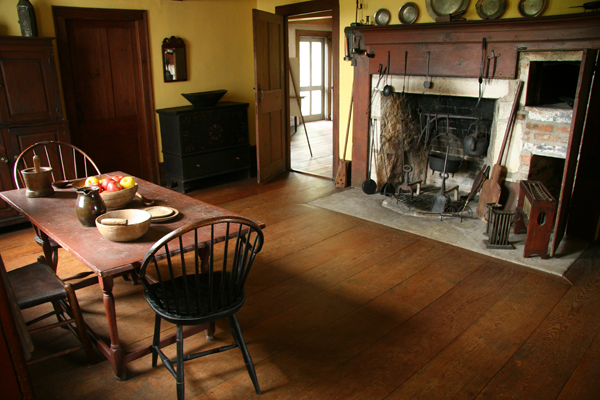
Walking through the front door today, visitors encounter the kind of architectural details that make historic house enthusiasts weak in the knees: massive summer beams hewn from local chestnut and oak, wide pumpkin pine floorboards that have aged to a honey glow, and small-paned windows that frame the surrounding farmland like living paintings. The rooms flow with the logical intimacy of colonial design, compact but never cramped, with every square foot serving multiple purposes.
The house exemplifies early 18th-century regional architecture and serves as the oldest home in Berkshire County. But what makes the Ashley House particularly compelling from an architectural standpoint is how perfectly it represents the confidence of early colonial prosperity. This wasn’t a settler’s survival cabin; it was the home of a man who intended to establish a dynasty.

The Dutch Connection
Hannah Hogeboom Ashley brought her own architectural influences to the house. Coming from a prominent Dutch family in the Hudson Valley, she would have been familiar with the Dutch colonial traditions that shaped so much of the region’s early building practices. While the Ashley House is fundamentally English in its saltbox form, careful observers might detect subtle Dutch influences in the practical arrangement of interior spaces and the emphasis on kitchen functionality.
The marriage of English and Dutch building traditions creates something uniquely American about the Ashley House, a blending of old-world techniques adapted to new-world conditions and opportunities. This cultural fusion in architecture parallels the complex human stories that would later unfold within these walls.
The Weight of Contradictions
Colonel John Ashley was a fascinating contradiction of his era. He became a wealthy and powerful man, owning 3,000 acres of land and a variety of businesses, yet he also emerged as one of the most progressive political thinkers in colonial Massachusetts. Ashley was a known supporter of the impending American Revolution, notably helming a pro-independence campaign that produced the Sheffield Declaration, a document that prefigured the Declaration of Independence with its assertions about human equality and natural rights.
The tragic irony, of course, is that Ashley was simultaneously advocating for colonial freedom while enslaving human beings in his own home. This contradiction would eventually challenge everything he claimed to believe about liberty and equality.
Elizabeth Freeman: The Heart of the Story
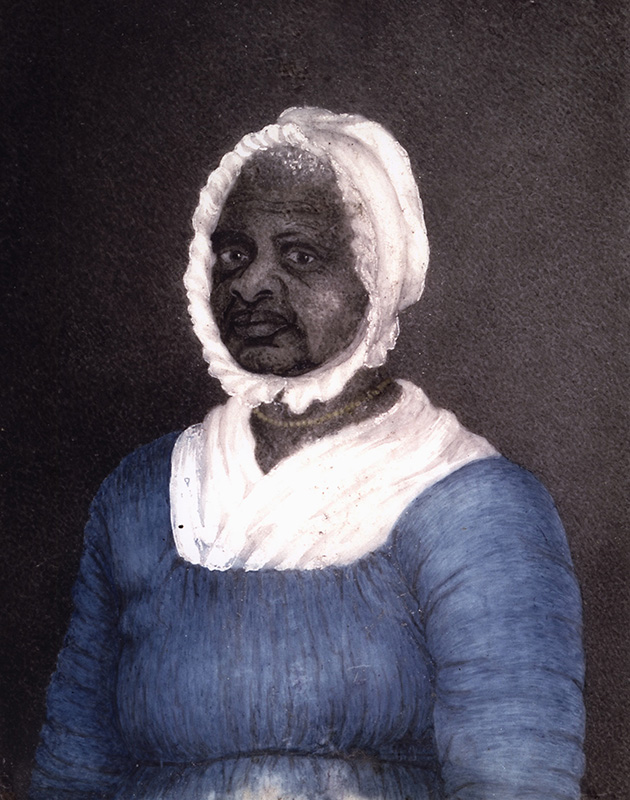
Elizabeth Freeman, also known as Mumbet, was an enslaved laborer in the Sheffield home of Colonel John Ashley and his wife Hannah. Born around 1744, she spent decades working in the very rooms where Ashley and his colleagues drafted their revolutionary documents about freedom and equality.
The house itself becomes a character in Freeman’s story. Imagine her moving through these low-ceilinged rooms, tending fires in that massive central chimney, preparing meals in the keeping room, and overhearing conversations about liberty and justice that seemed to exclude her entirely. The architecture that provided comfort and security for the Ashley family represented confinement for Freeman, yet it also became the space where she would formulate her own understanding of American ideals.
Inspired by the contemporary doctrine which Ashley helped to facilitate, Elizabeth “Mumbet” Freeman sued Ashley for her freedom in 1781. The beautiful irony is that Freeman used Ashley’s own political philosophy against him, arguing that if “all men are born free and equal” as stated in the Massachusetts Constitution that Ashley had helped inspire, then surely this principle applied to her as well.
A Room Where Freedom Was Born
The keeping room of the Ashley House, that multi-purpose space where cooking, dining, and daily work took place, becomes even more significant when we consider that this is where Freeman would have heard the political discussions that shaped her legal strategy. The case advanced to the County Court of Common Pleas of Great Barrington, where lawyer Theodore Sedgewick argued that the Massachusetts Constitution outlawed slavery. On August 22, 1781, the jury agreed, declaring Freeman and fellow plaintiff Brom to be free.
Elizabeth not only won her own freedom, her case set a judicial precedent that ended slavery in Massachusetts. The architectural space that had witnessed both the formation of revolutionary ideals and the daily reality of human bondage became the launching point for one of the most important freedom suits in American history.
The Poetry of Preservation
Today, the museum is owned and operated by The Trustees of Reservations and is listed on the National Register of Historic Places. Walking through the Ashley House now, you’re struck by how these rooms hold multiple stories simultaneously. The same wide floorboards that witnessed Freeman’s daily labor also bore the footsteps of revolutionary planning. The same walls that contained her dreams of freedom also sheltered the writing of documents that would inspire a nation.
The house’s preservation allows us to experience these layered histories viscerally. The architecture hasn’t been sanitized or overly restored, it retains the authentic wear and patina that speaks to nearly three centuries of human habitation. Hand-forged hardware, worn wooden latches, and the gentle sag of ancient timbers create an atmosphere where the past feels genuinely present.
Ashley Falls: A Landscape of Memory
The setting itself contributes to the house’s powerful sense of place. Ashley Falls, with its rural tranquility and agricultural landscape, looks much as it did in Freeman’s time. The Housatonic River still meanders through meadows bounded by those characteristic New England stone walls, and the view from the house’s small windows encompasses the same rolling hills that Freeman would have seen.
This continuity of landscape makes the Ashley House feel like more than just a museum, it’s a portal to understanding how geography shapes story. The isolation of the location emphasizes both the insularity of colonial life and the courage required for Freeman to challenge the system that confined her.
Living Architecture
What makes the Ashley House particularly moving from an architectural perspective is how perfectly the building embodies the tension between shelter and confinement. For the Ashley family, these walls provided security, privacy, and the physical foundation for building wealth and influence. For Freeman, the same walls represented the boundaries of her bondage, until she found a way to use the ideals discussed within them to break free.
The house’s modest scale and intimate proportions make these human dramas feel immediate and personal. Unlike grand plantation houses or imposing public buildings, the Ashley House tells its stories at human scale, in spaces where people lived, worked, dreamed, and struggled with the fundamental questions of American democracy.

A House That Teaches
The Colonel John Ashley House serves as an anchor site of the Upper Housatonic Valley African American Heritage Trail, ensuring that Freeman’s story reaches new generations. The house succeeds as both architectural preservation and historical education because it allows visitors to experience the physical reality of these intersecting stories.
Standing in the keeping room where Freeman worked and Ashley planned, you understand something essential about American history that no textbook can convey: that our most important conversations about freedom and equality have always taken place in the most ordinary spaces, among people whose daily lives were far more complex and contradictory than our historical narratives often acknowledge.
Why It Matters Now
In an era when we’re reexamining whose stories get told and whose voices get heard, the Ashley House offers a perfect example of how architecture can hold space for multiple, sometimes competing narratives. The building doesn’t minimize Ashley’s role in revolutionary history, but it also refuses to let that story overshadow Freeman’s equally important legacy.
The house reminds us that the most profound historical sites are often the most humble, places where ordinary people grappled with extraordinary questions about justice, freedom, and human dignity. In its weathered beauty and authentic preservation, the Colonel John Ashley House proves that sometimes the most hidden gems are the ones that shine brightest once you know how to see them.
For those of us who love architecture that tells stories, who seek out houses that embody the complex beauty of American experience, the Ashley House stands as an essential pilgrimage. It’s a place where the past lives not as distant history but as immediate, relevant truth about the ongoing work of creating a more perfect union, one conversation, one legal case, one brave decision at a time.


Leave a comment