
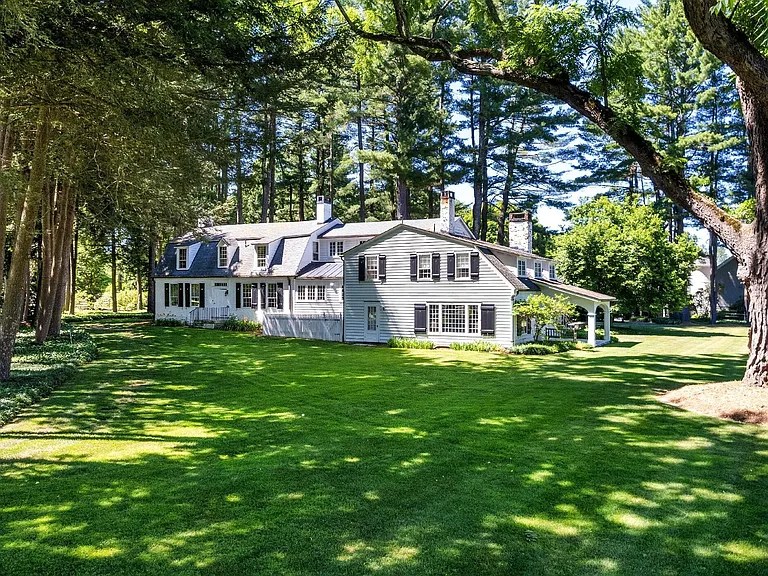
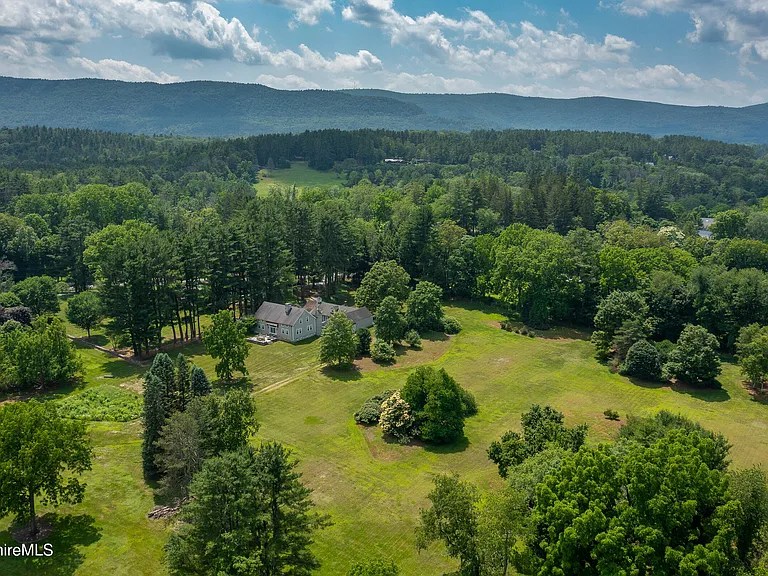
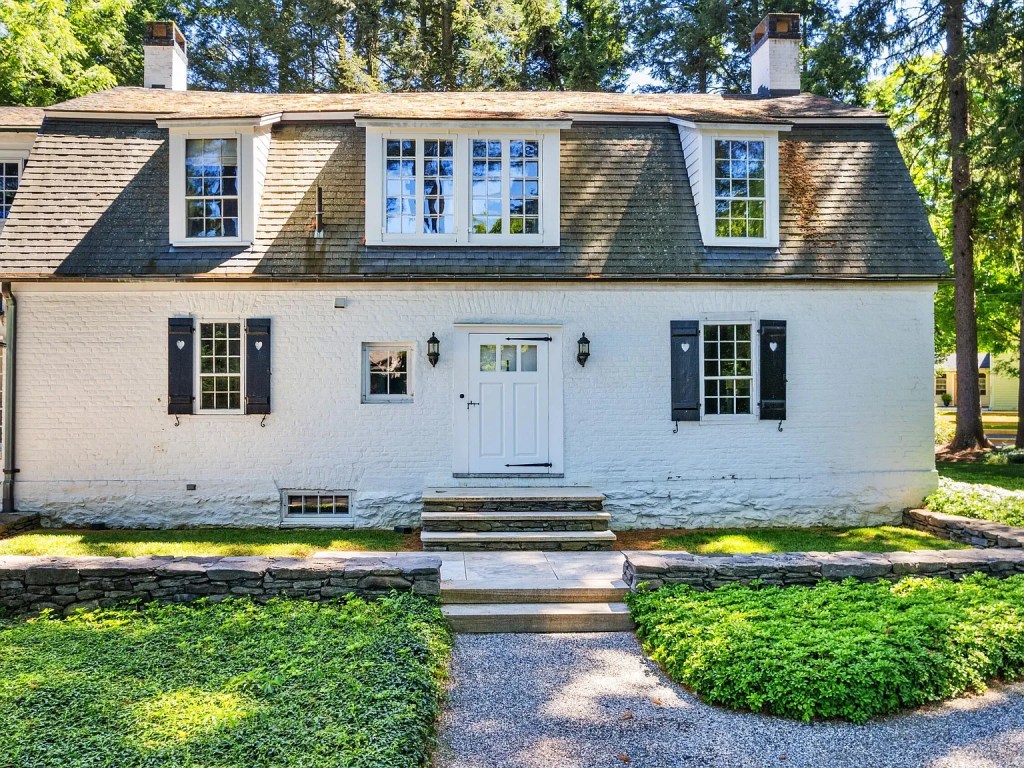
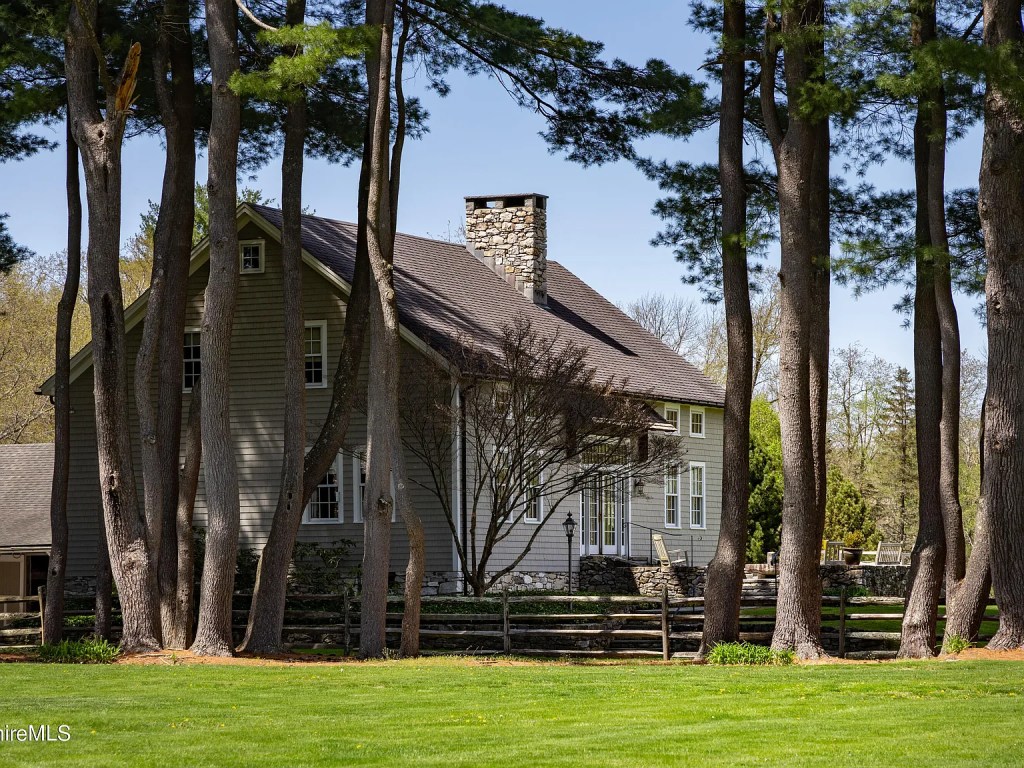
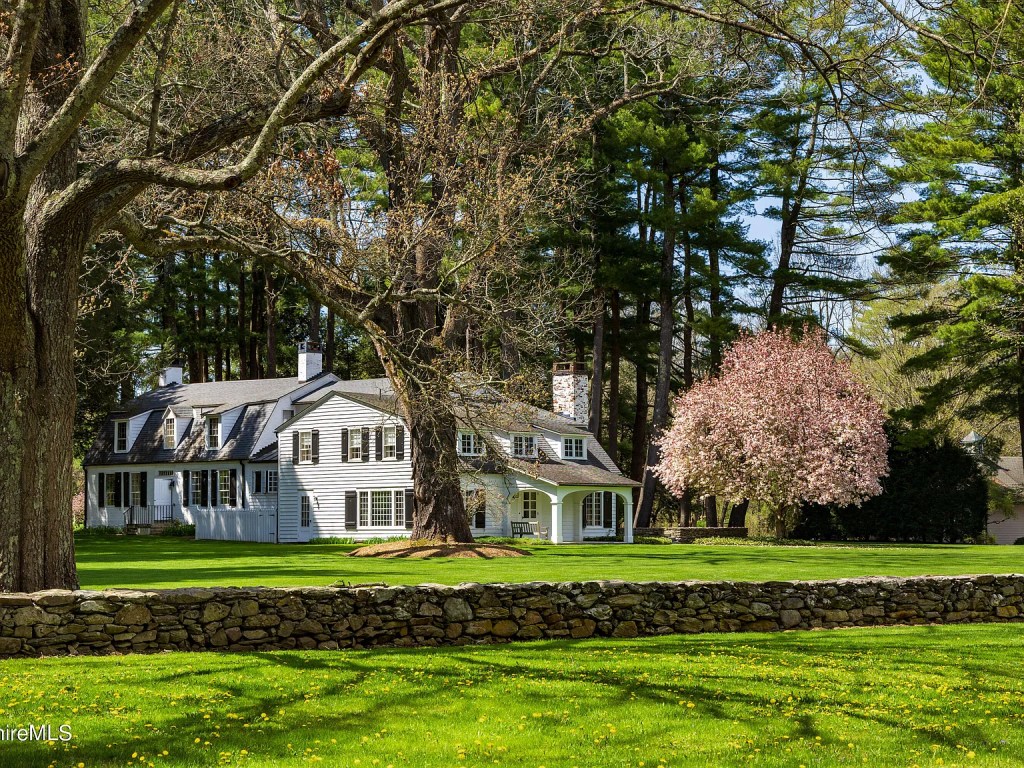
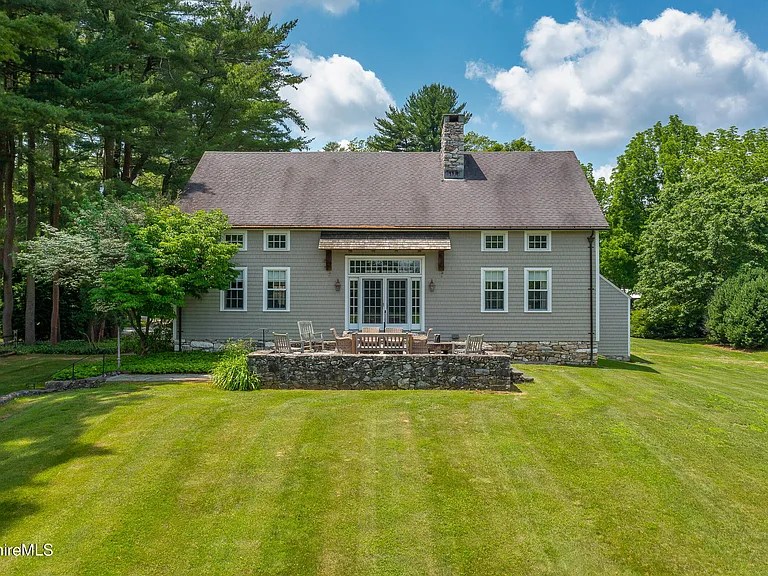
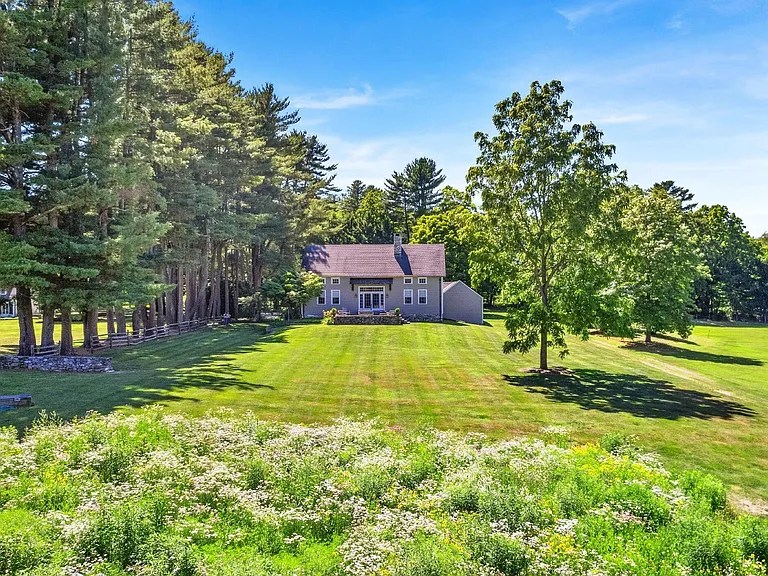
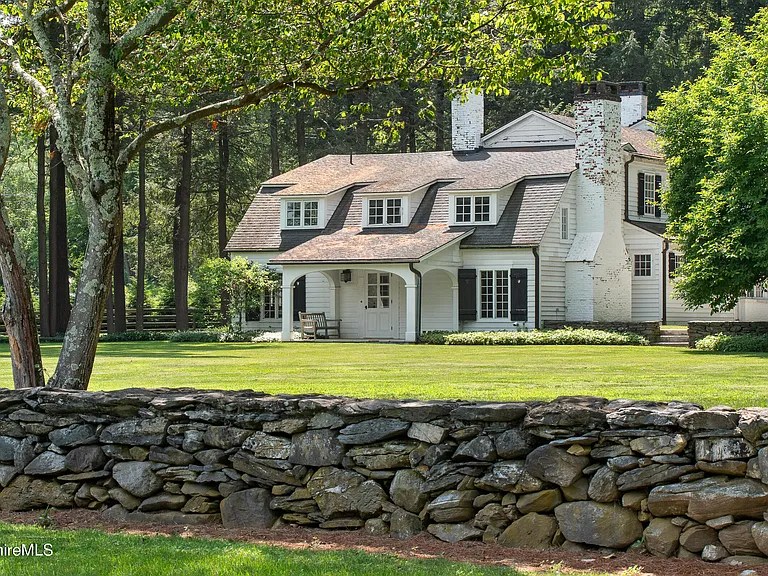
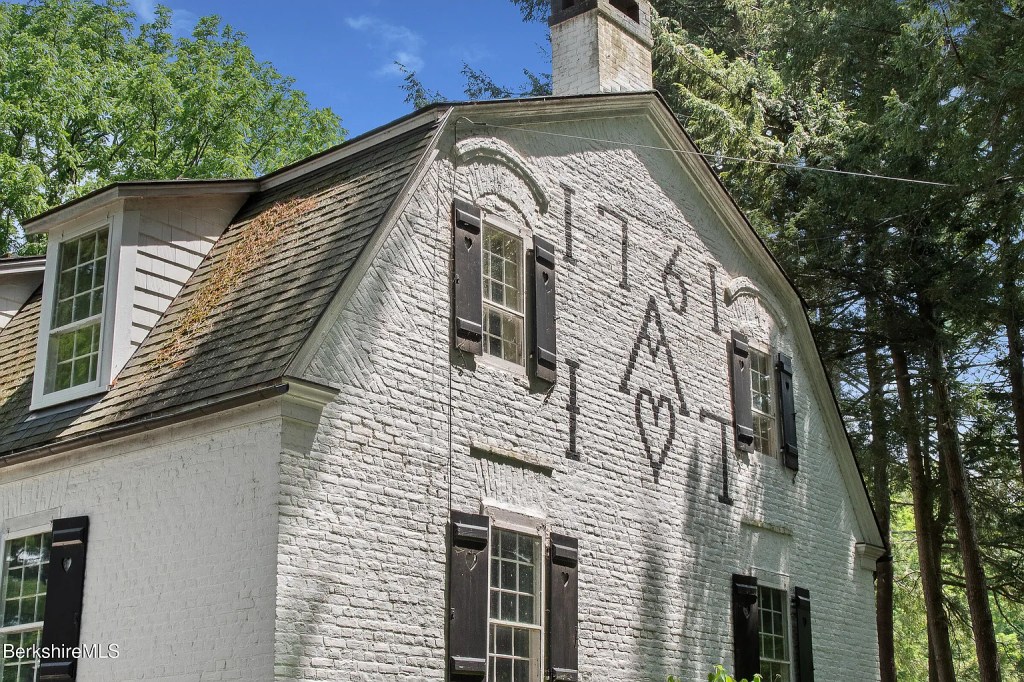
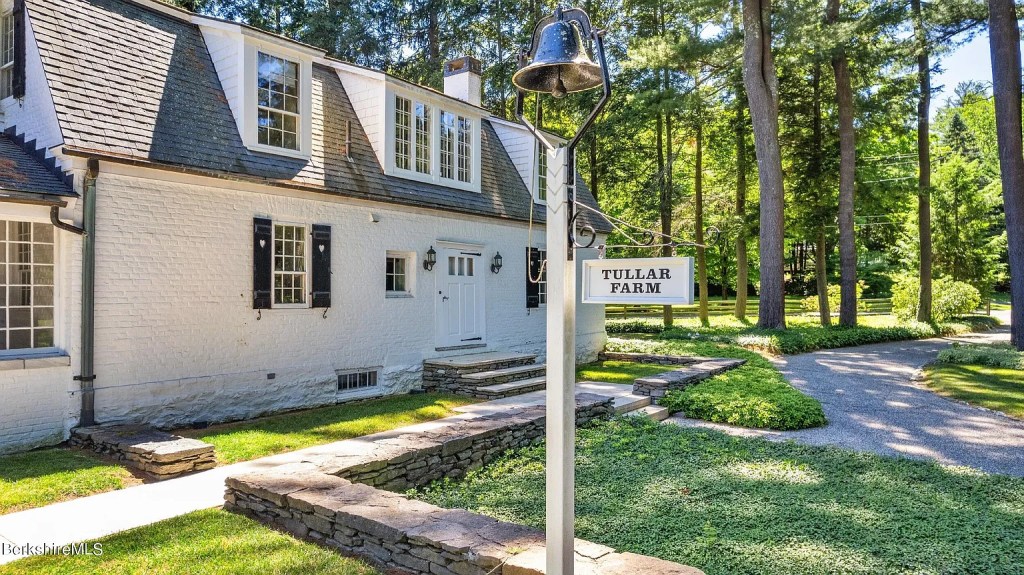
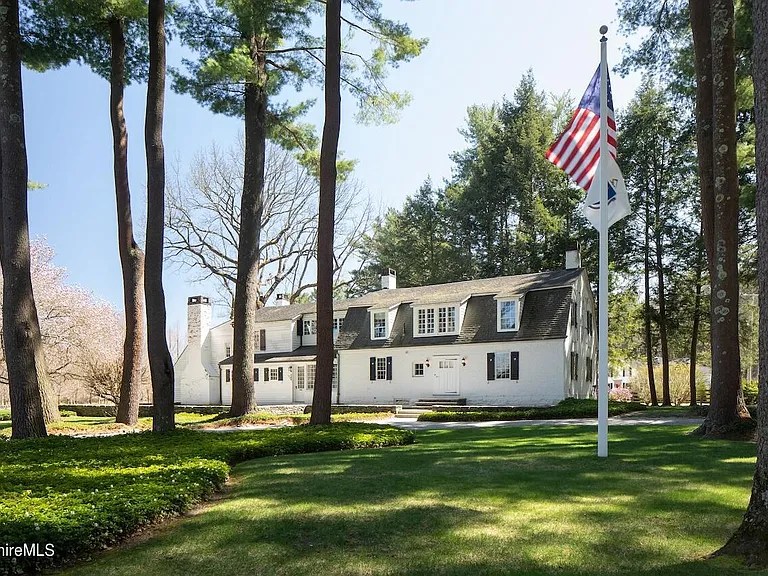
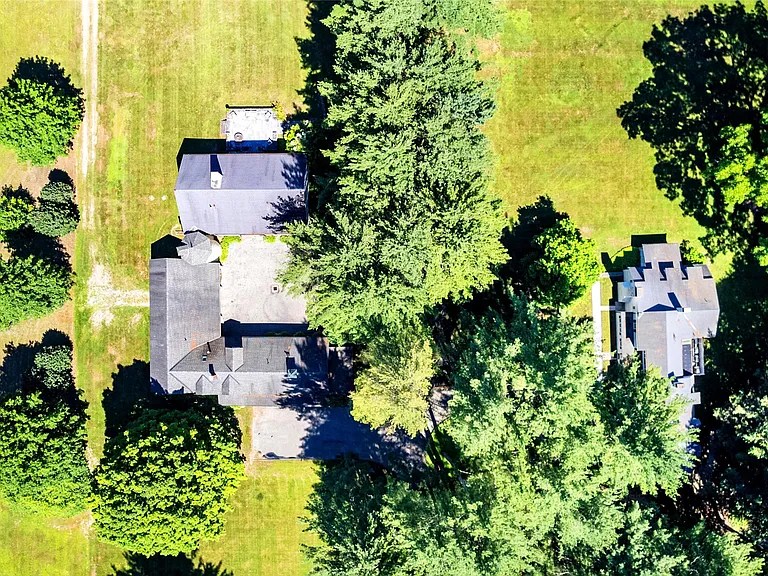
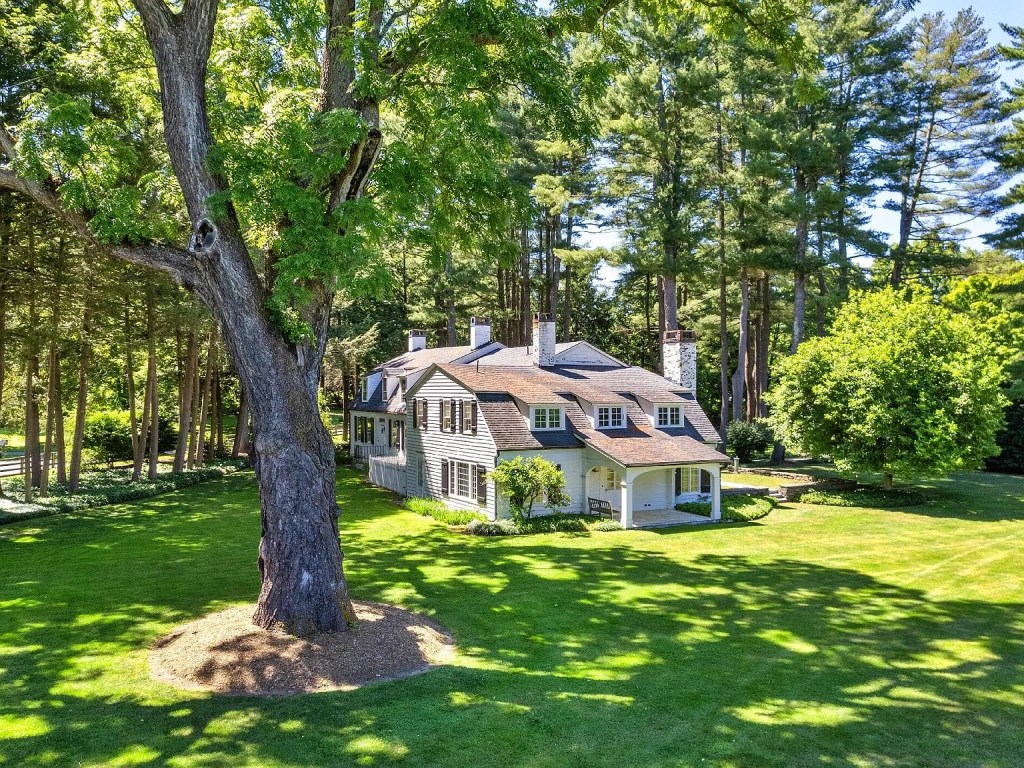
In the sleepy, storybook village of South Egremont, Massachusetts, there’s a home that tells more than one story. Built in 1761, the Tullar House is a remarkable example of Dutch Colonial architecture, specifically the Dutch Gambrel style, which isn’t just rare in New England, it’s practically a unicorn. With its swooping rooflines, symmetrical structure, and thick timber bones, this house practically sings history from the Berkshire mountain tops.
But what makes Tullar Farm so captivating isn’t just the age of its beams or the date on its foundation. It’s the details. The kind that makes you pause and wonder: Who built this staircase? Who carved this window trim? Who decided a silo should become a rock-climbing gym?
Let’s dig into why this place is architectural gold.
A Dutch Gambrel That’s Weathered Time with Grace
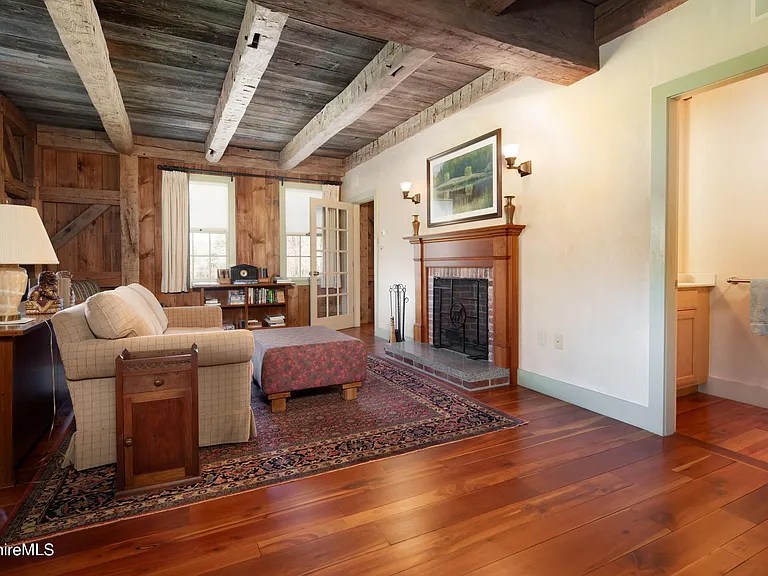
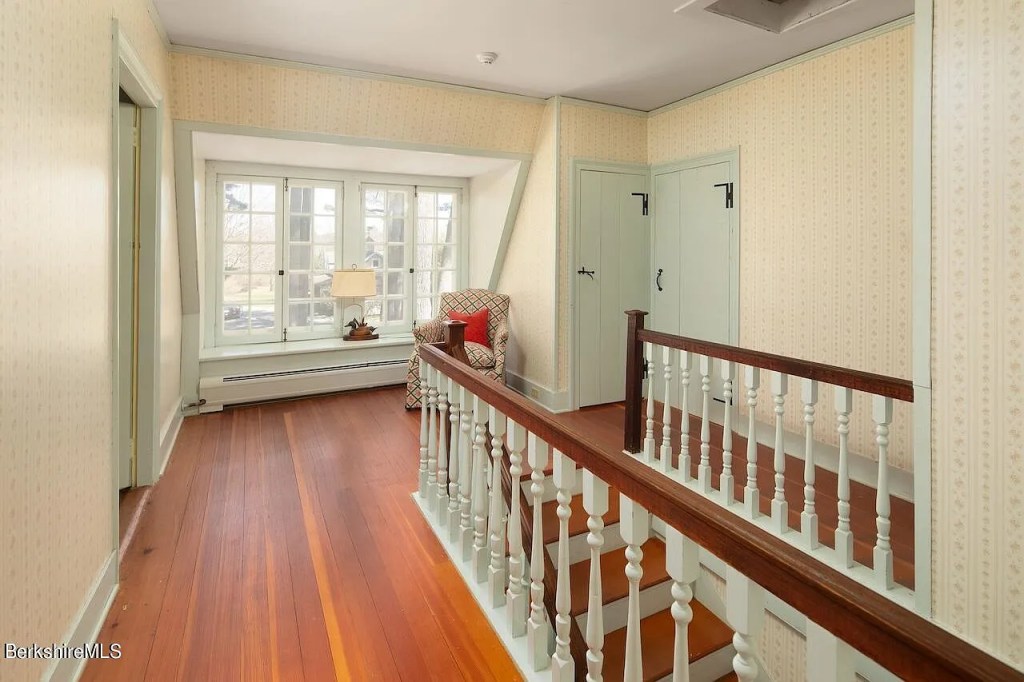
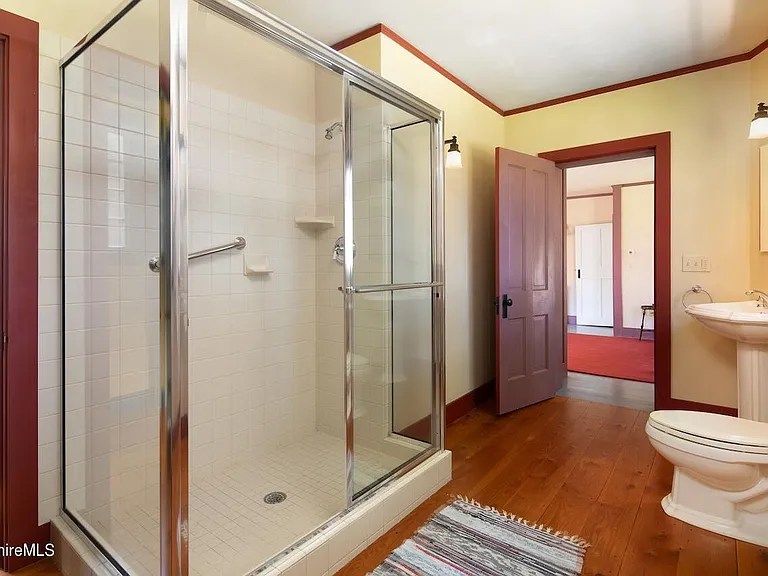
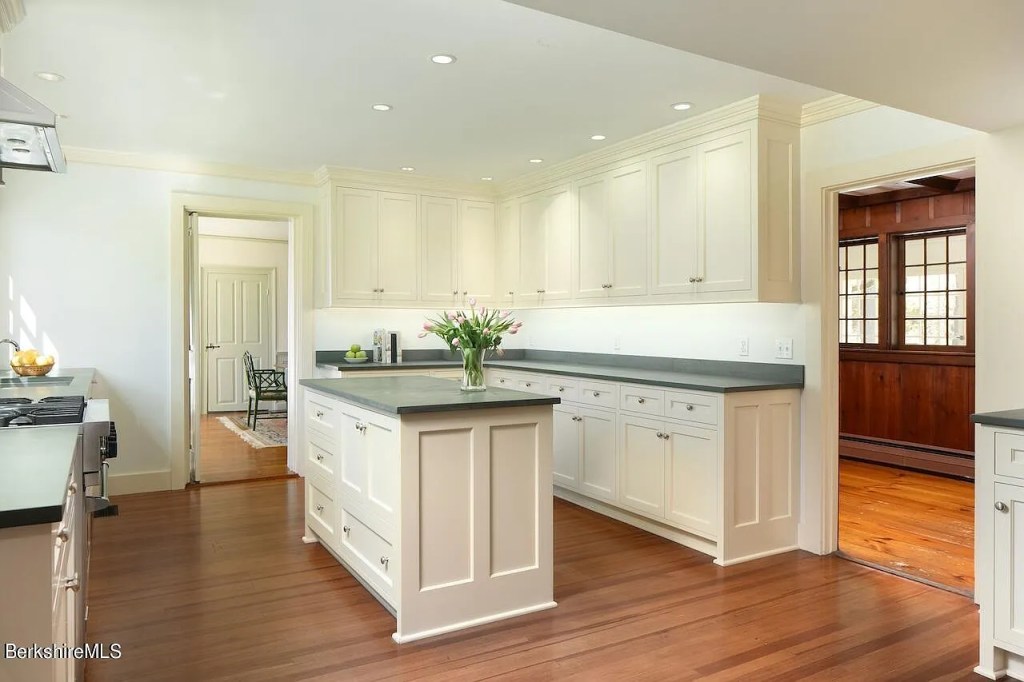
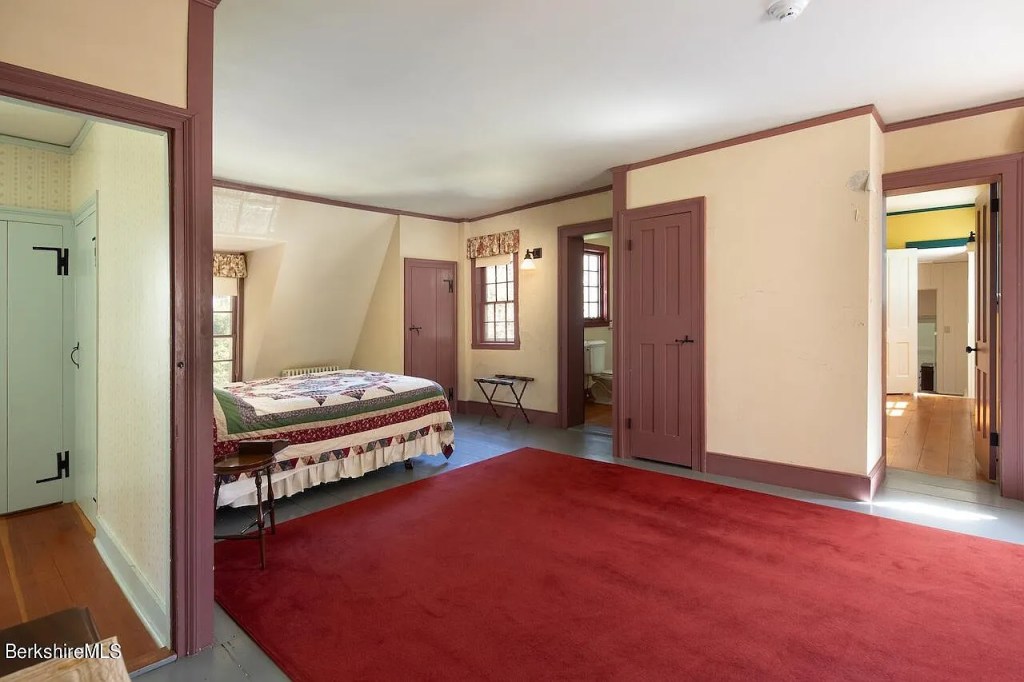
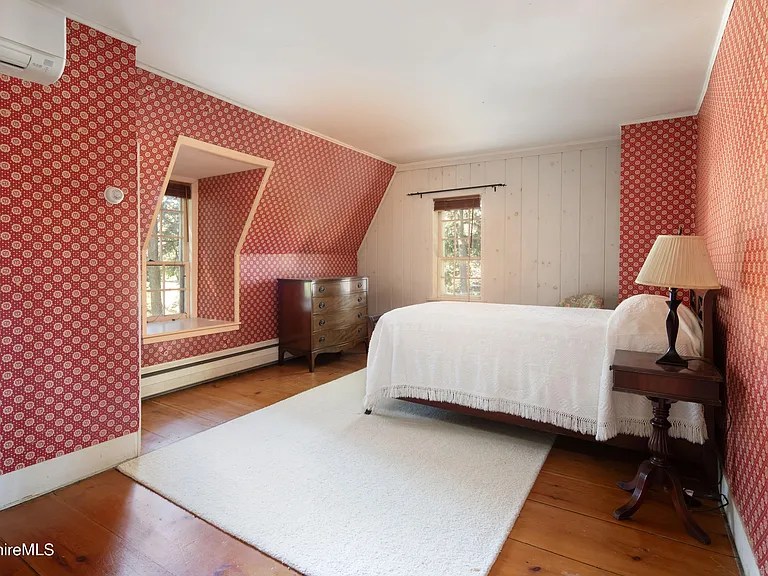
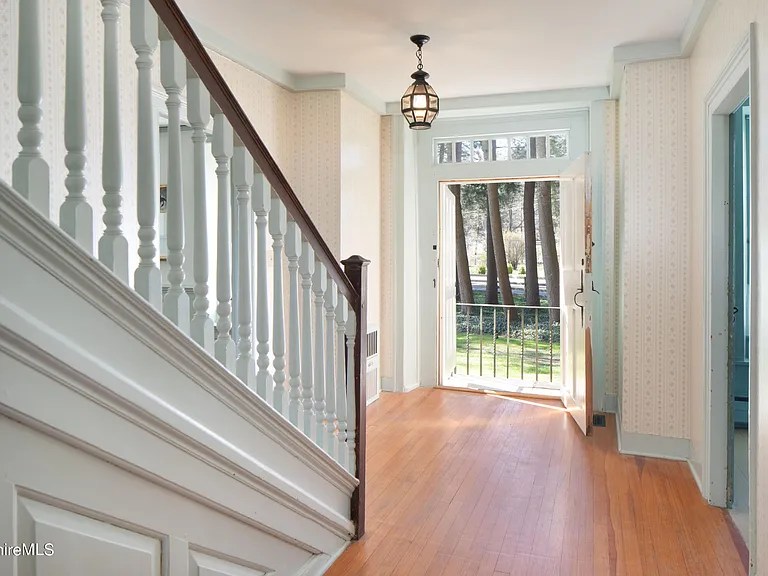
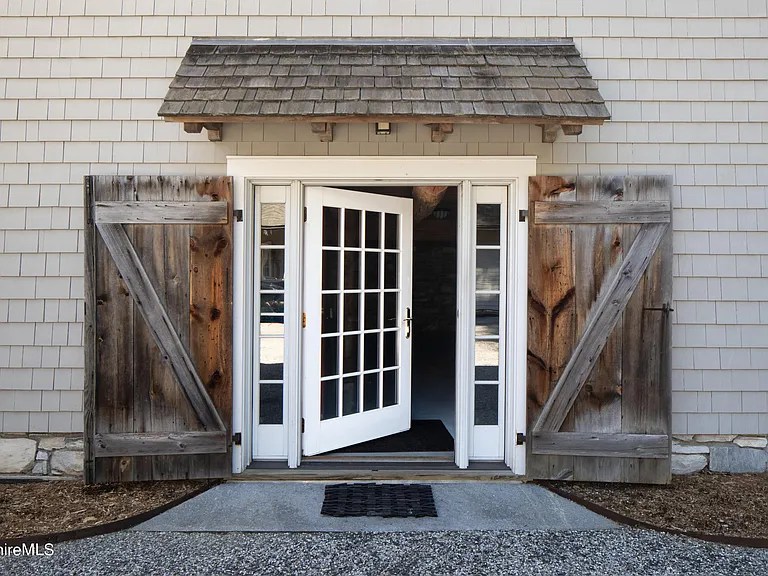
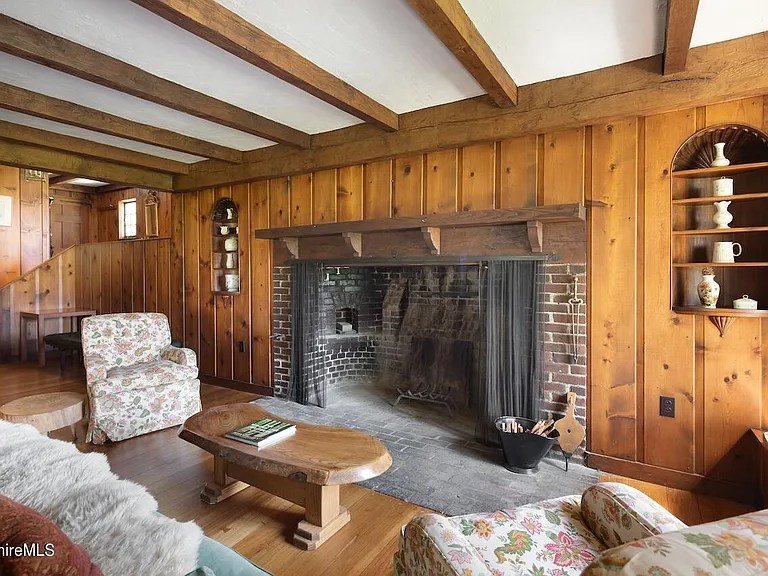
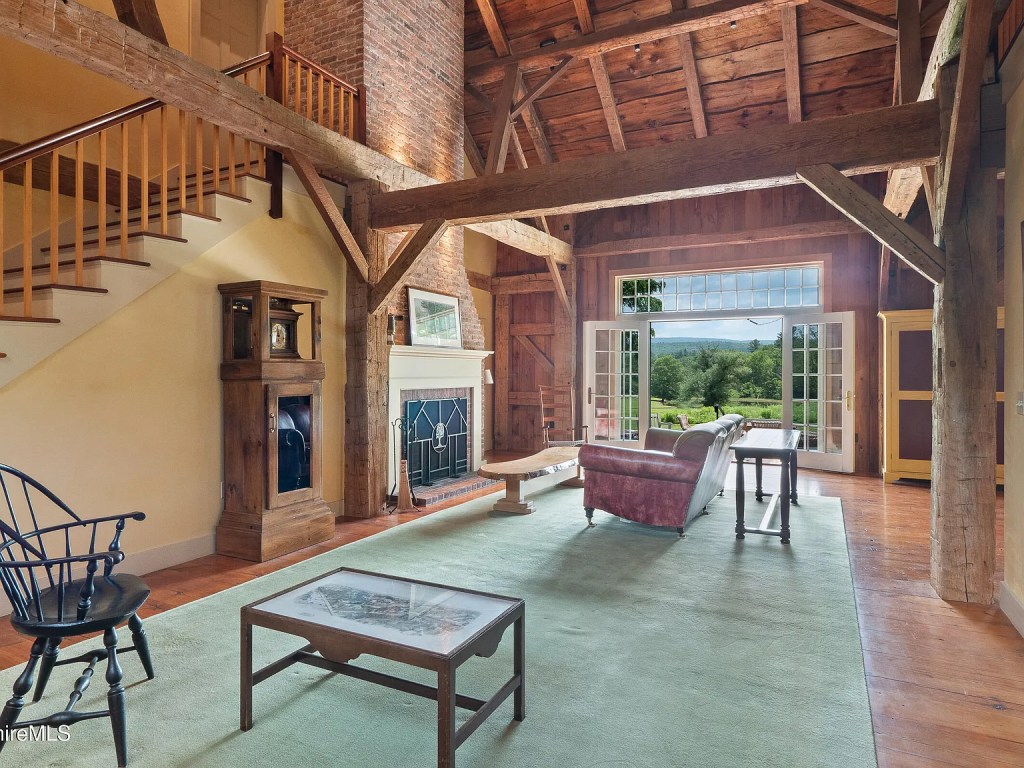
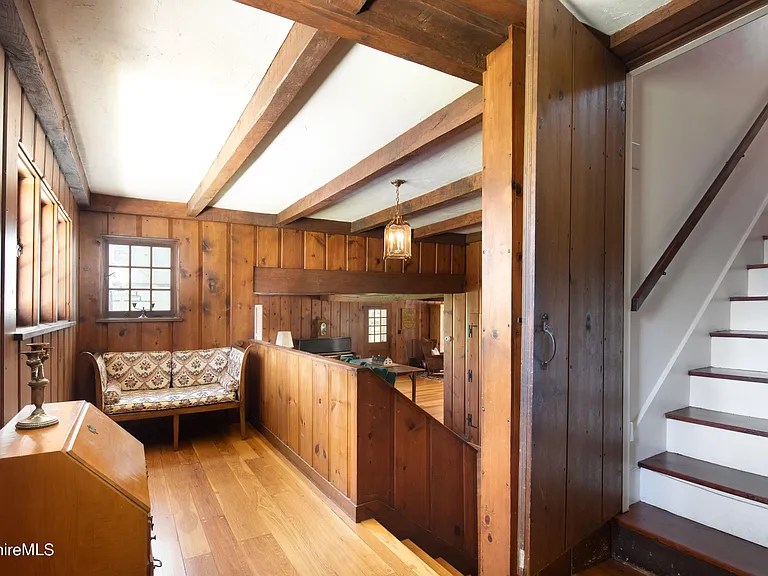
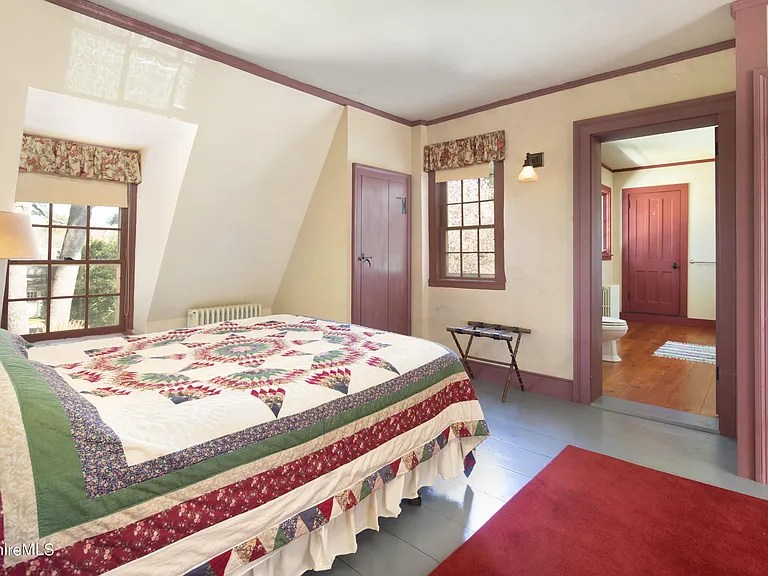
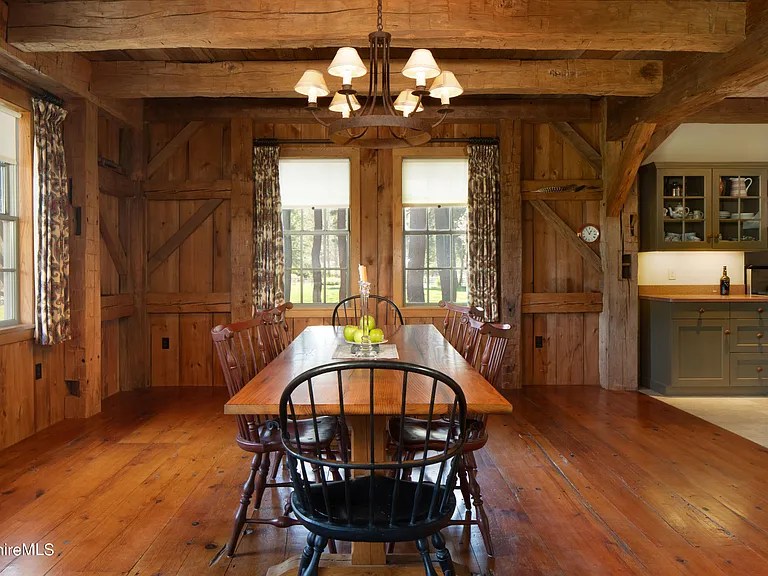
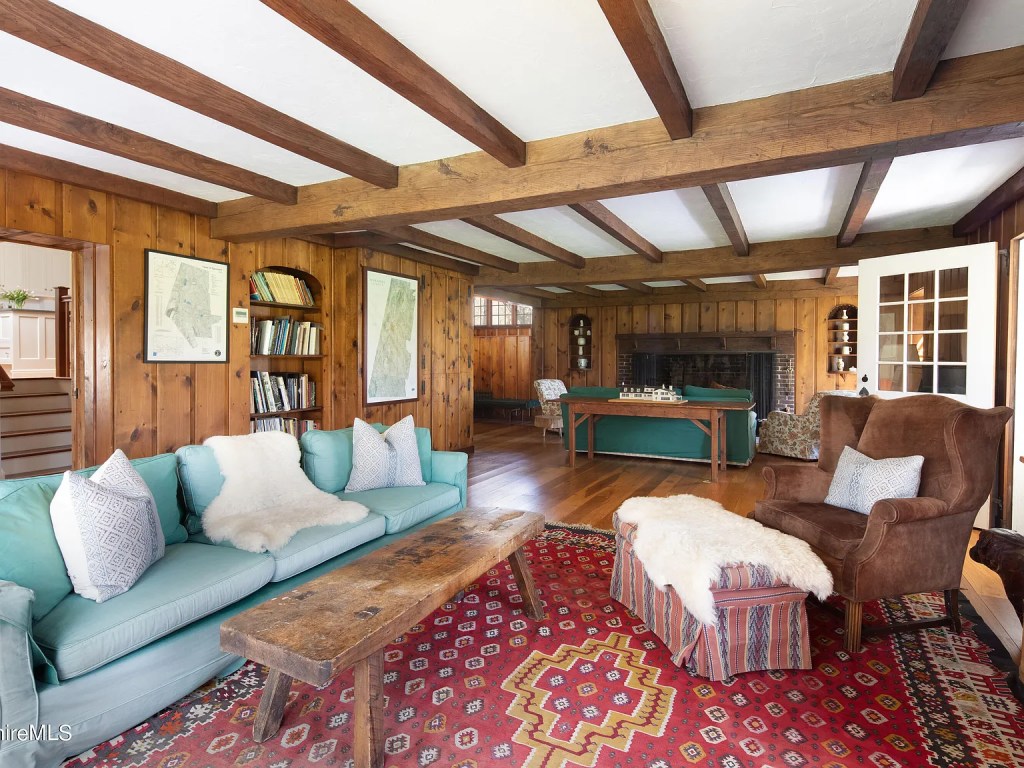
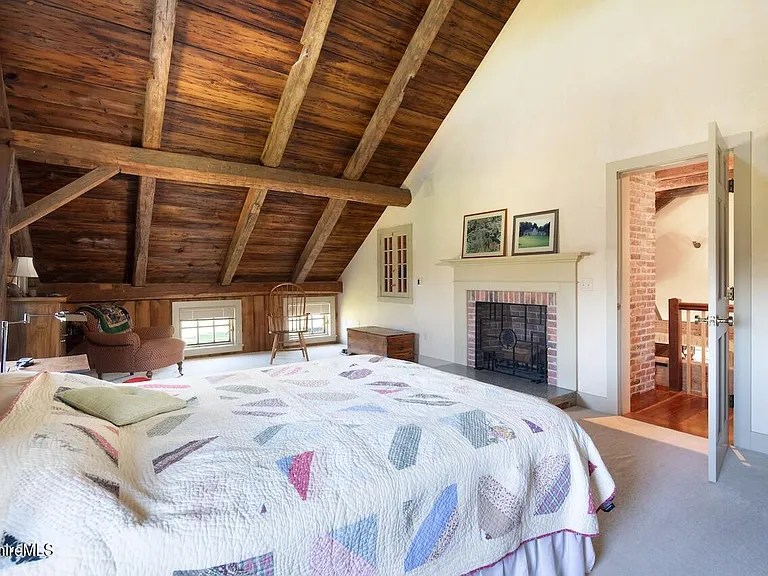
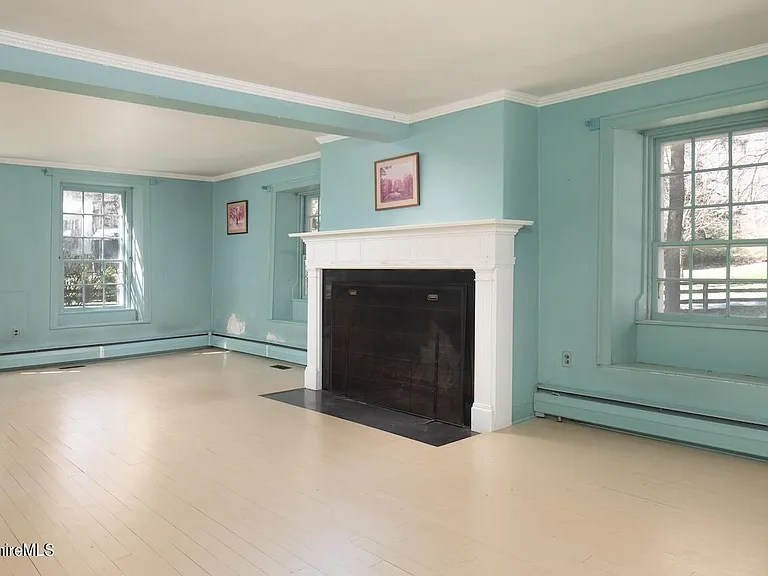
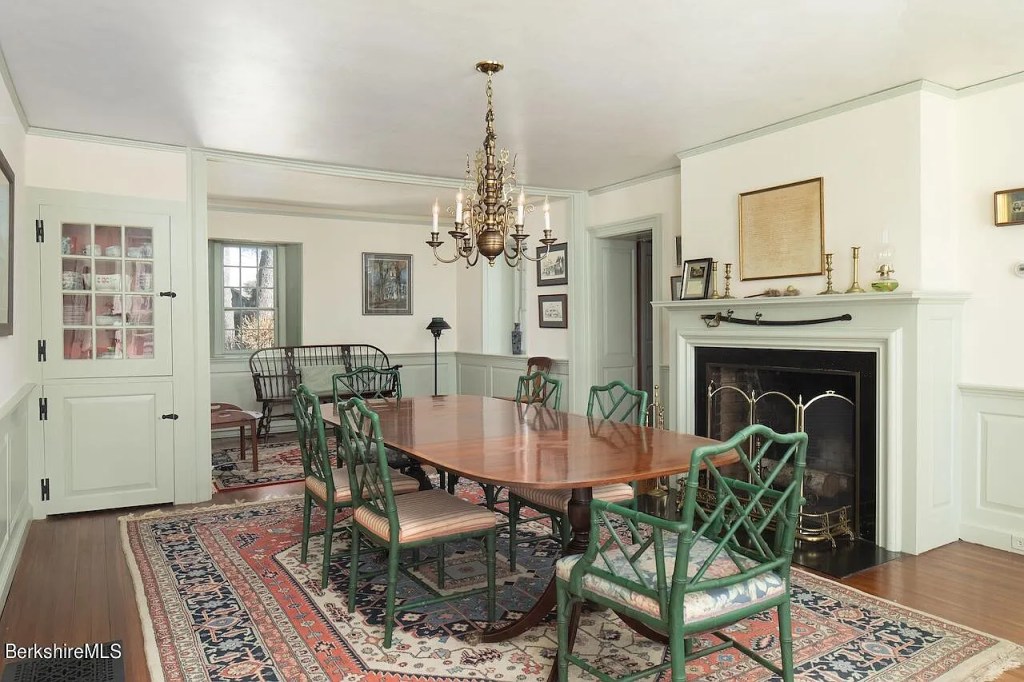
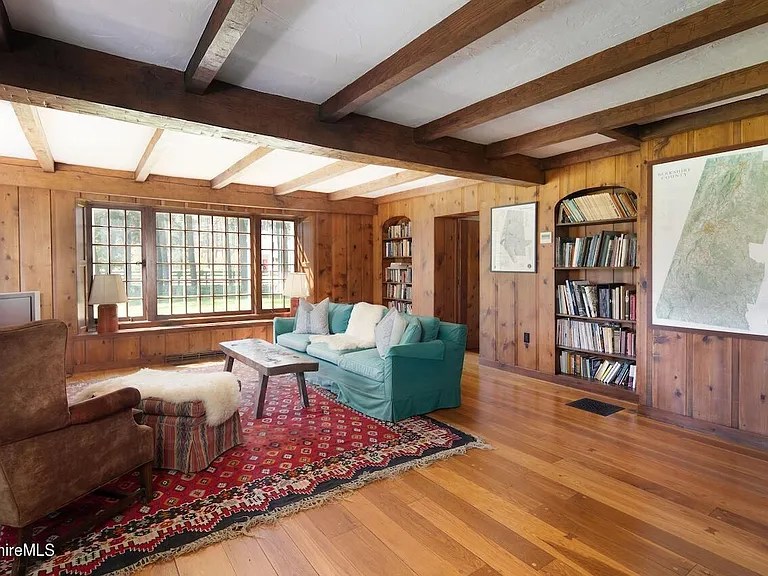
The Dutch Gambrel roof, with its distinctive double slopes, was originally a practical choice, it gave more space upstairs without needing a full second story. But here, it’s so much more than practical. It’s the crown of a house that feels both grounded and grand. With three oversized fireplaces, original wide plank flooring, and a facade flanked by carriage lanterns and heart-cut shutters, the home feels like a historical novel you can walk through.
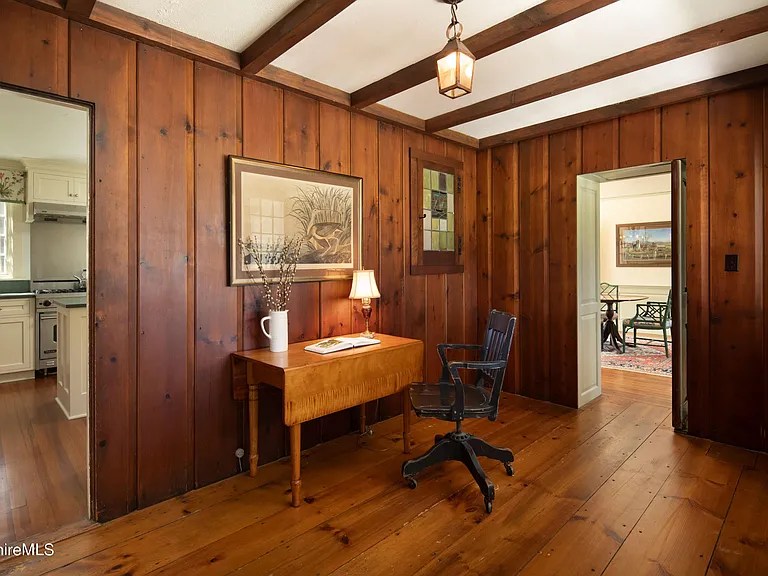
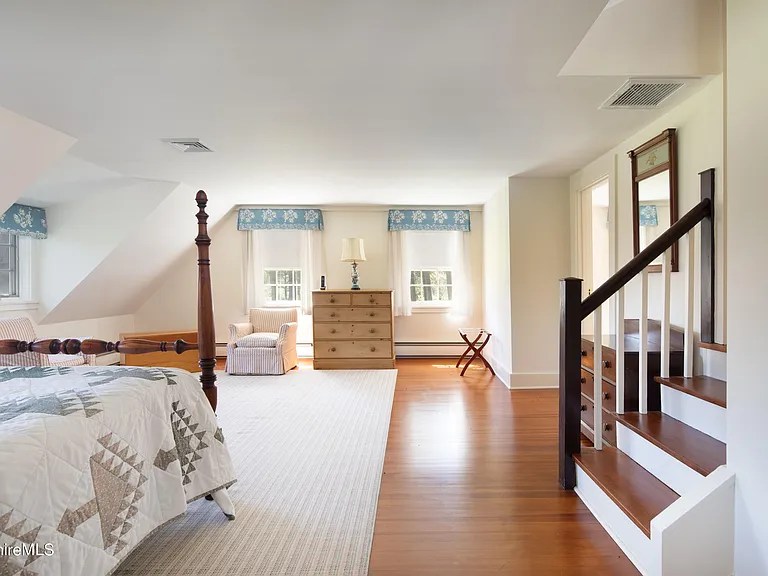
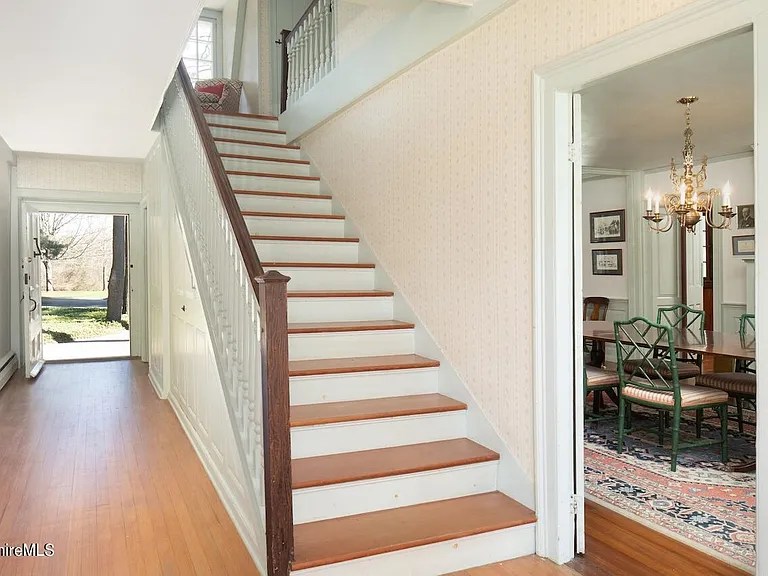
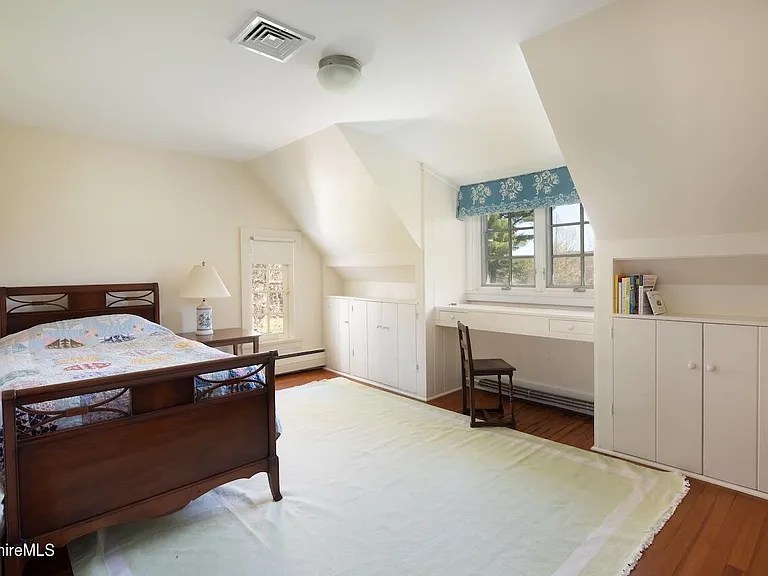
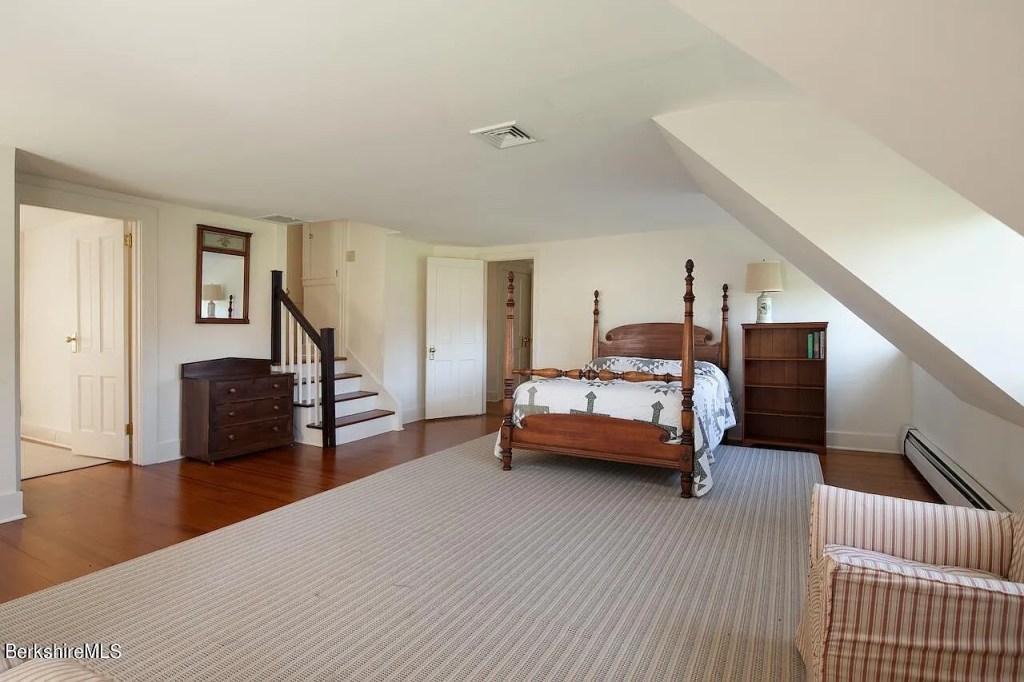
Inside, the floor plan follows the traditional colonial logic: central hallway, large gathering rooms, modest but functional private quarters. But the home breaks its own rules in the best way. One bedroom has its own tiny staircase, a charming detail that feels like something out of a storybook.
The Champion Tree and the Marble Porch
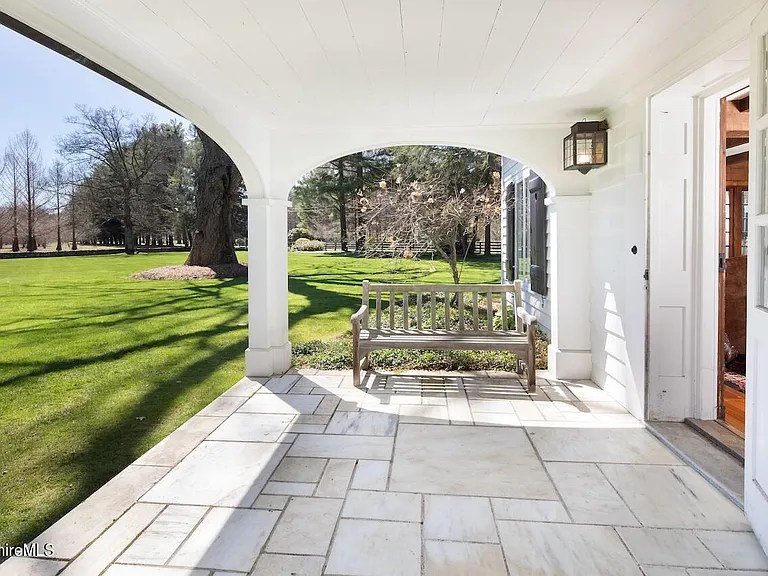
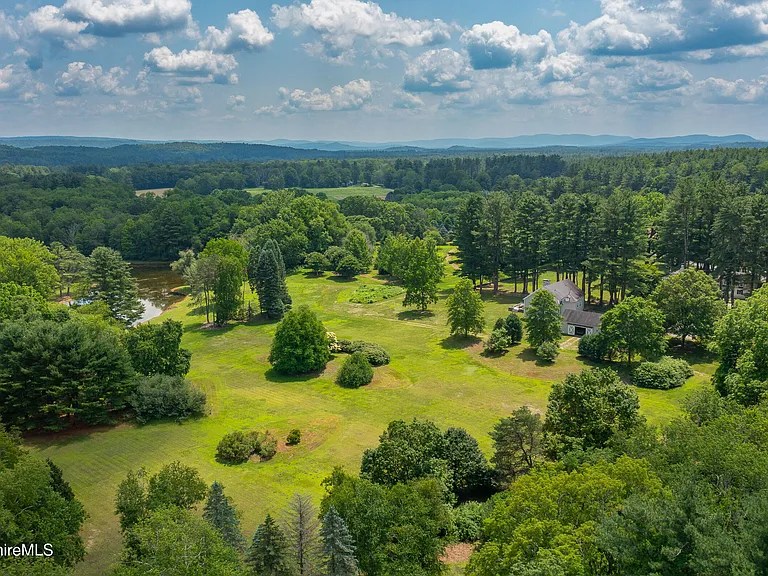
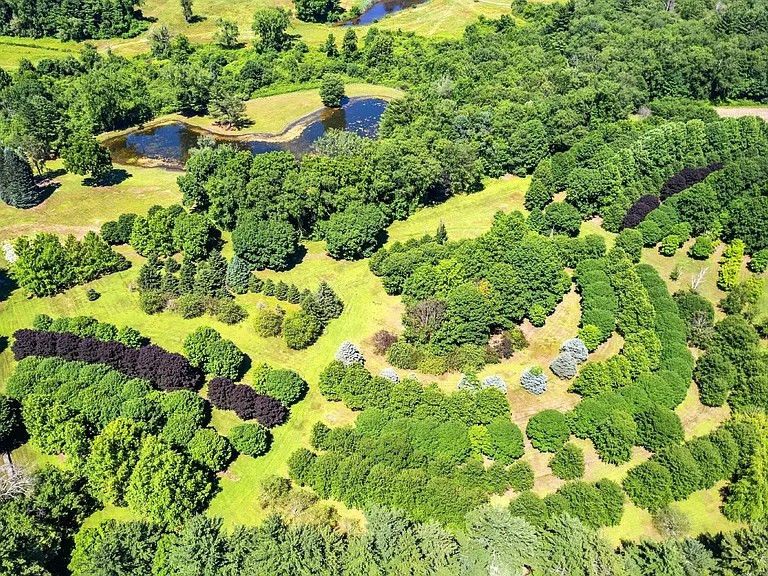
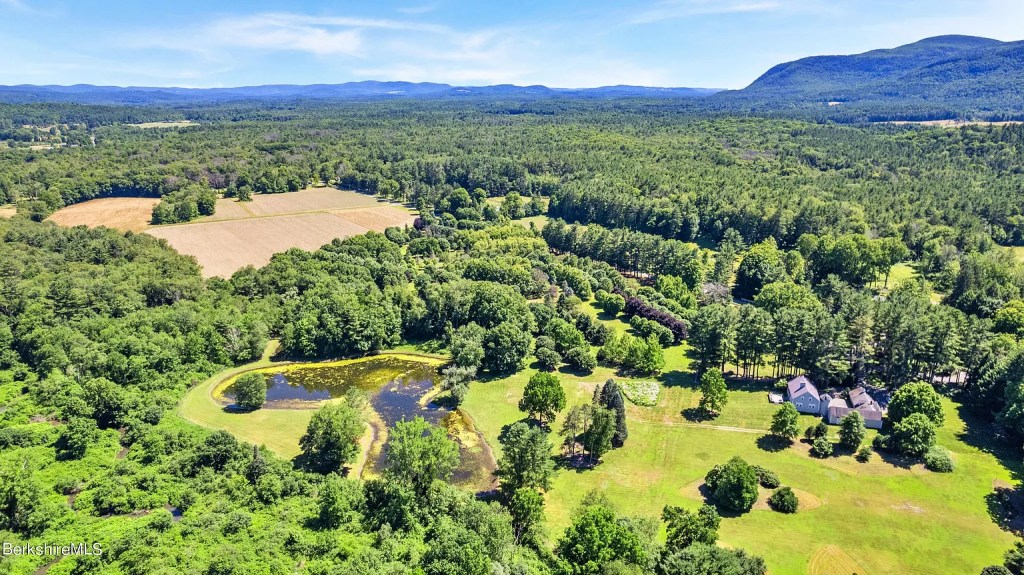
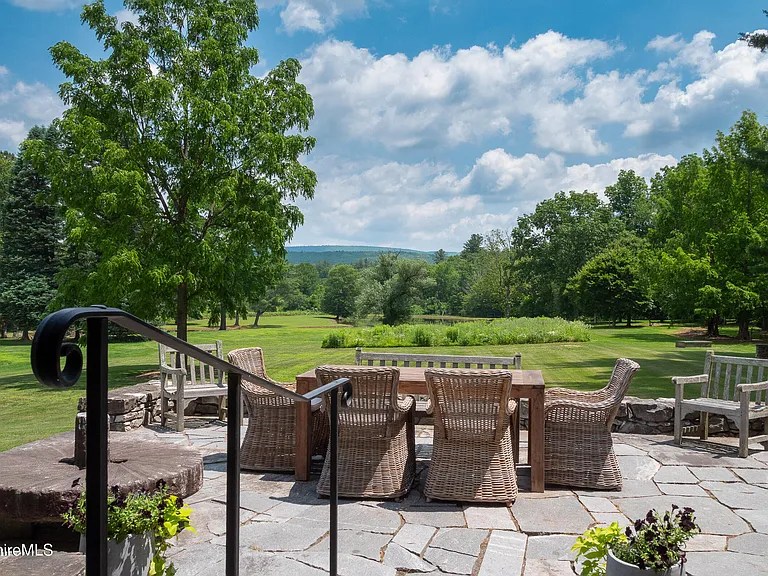
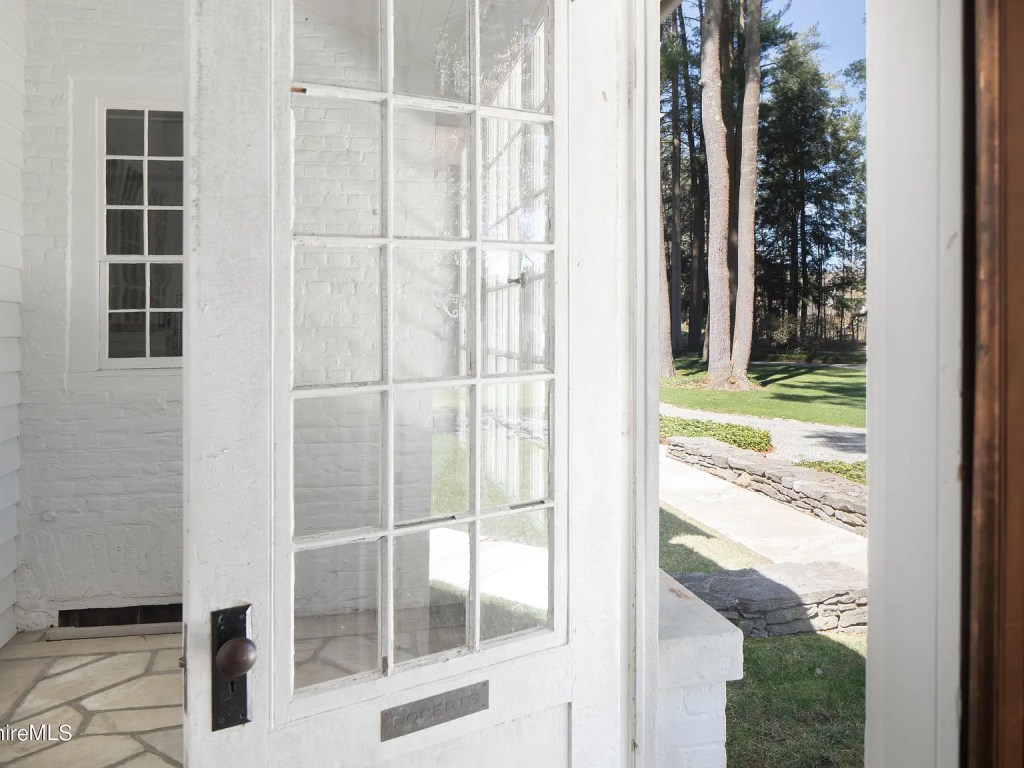
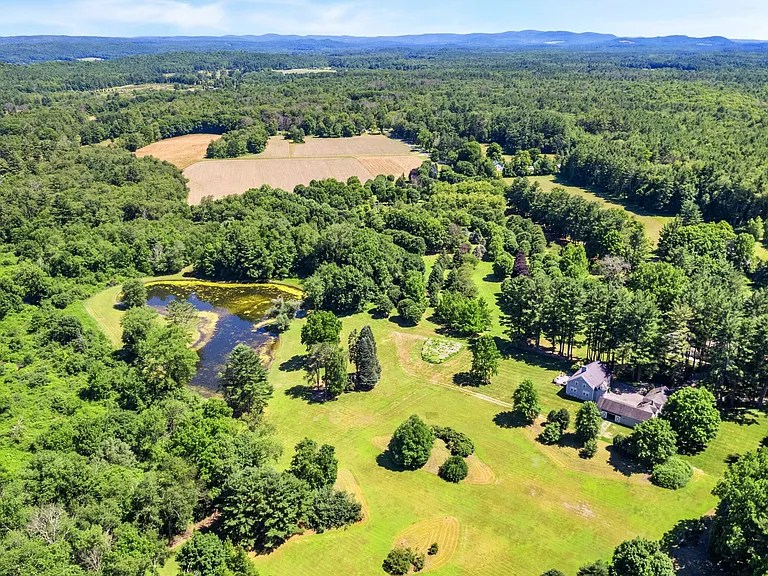
Architecture doesn’t stop at the four walls. It spills into the land. The locally sourced marble porch is one of those quiet architectural features that reveals how deeply this home is tied to its place. Marble from nearby quarries was laid with intention, cool under bare feet in the summer, beautiful to look at year-round.
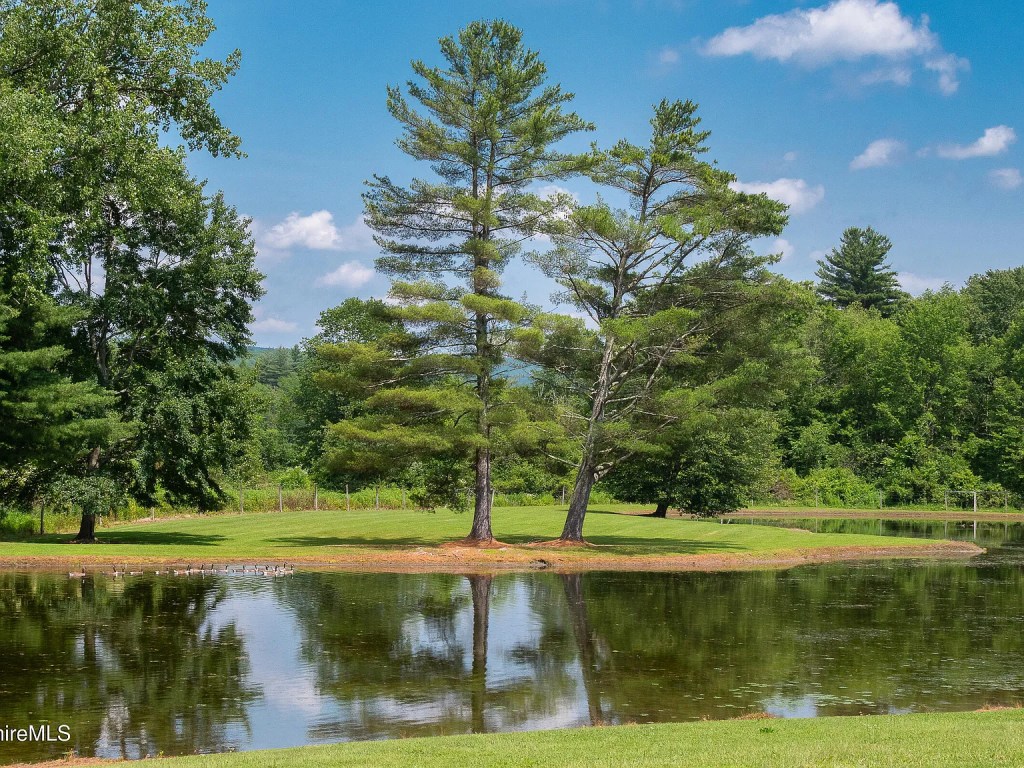
Then there’s The Champion, a 250+ year-old Black Walnut Tree that’s the oldest in Massachusetts. It anchors the landscape like the house anchors the property: old, strong, irreplaceable.
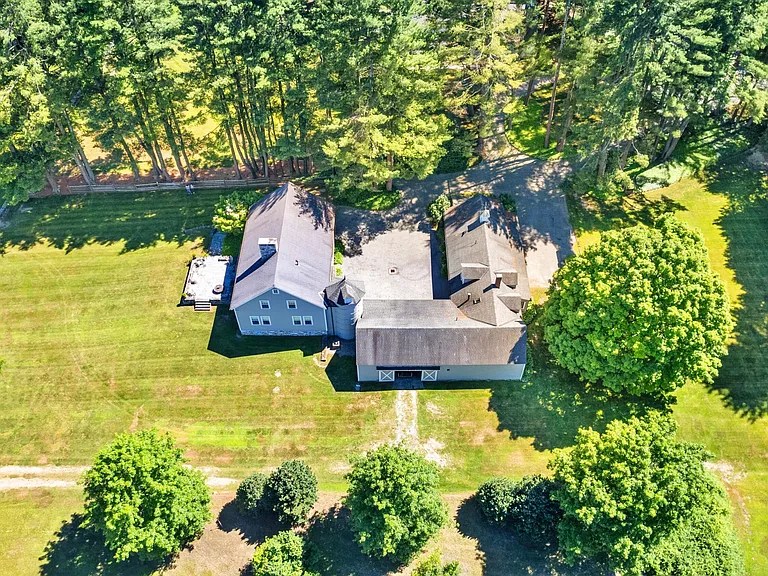
Adaptive Reuse at Its Best: The Silo and the Barn
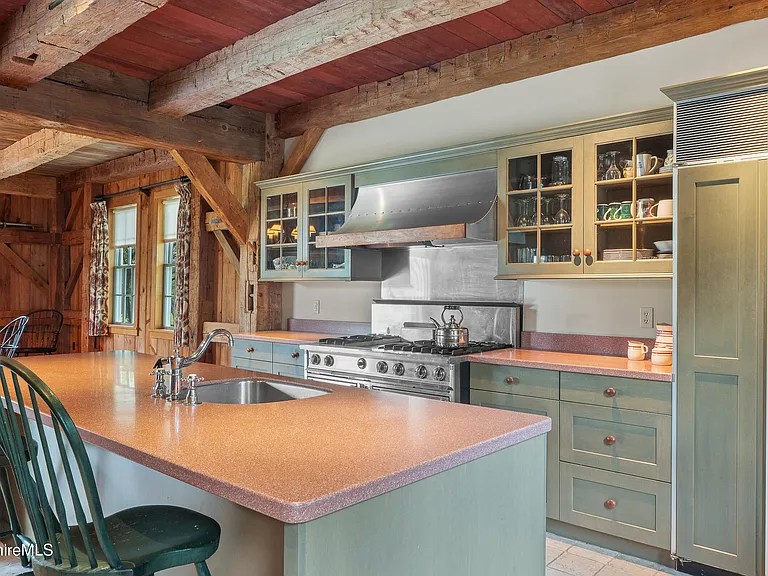
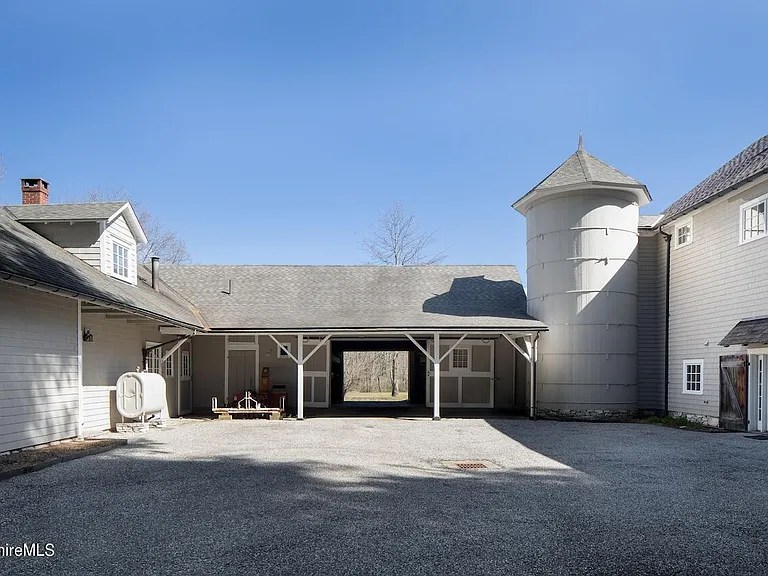
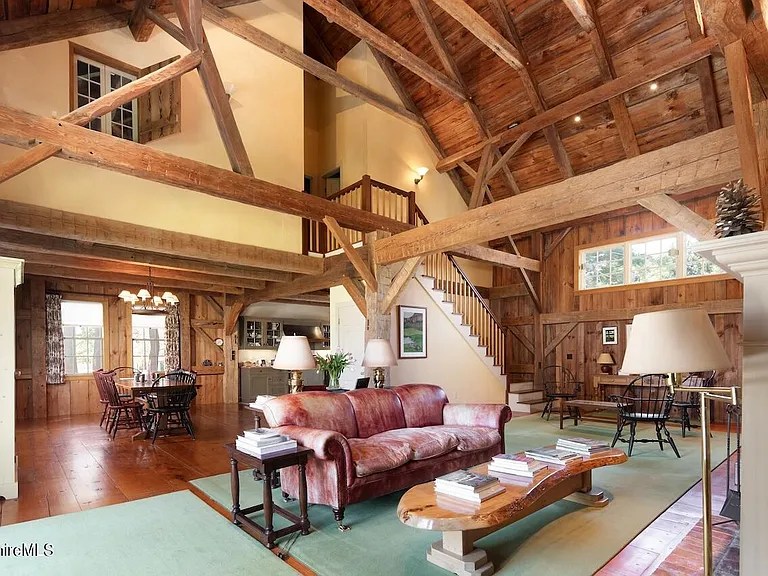
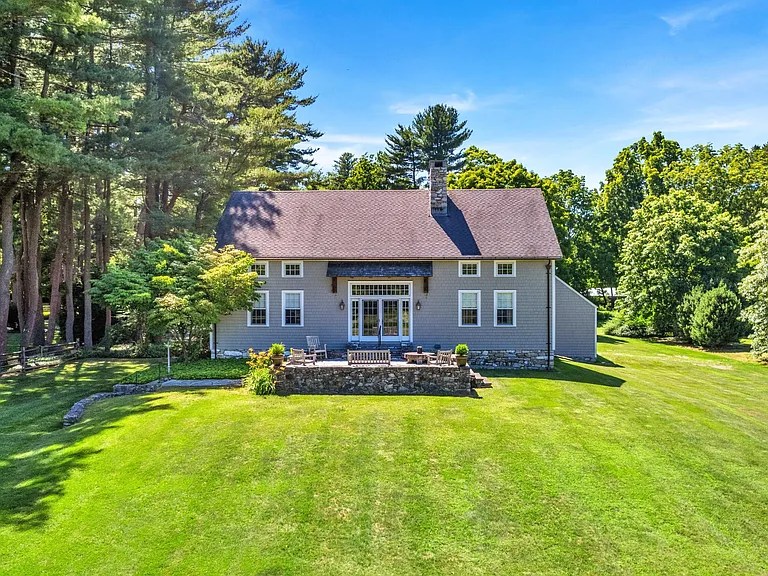
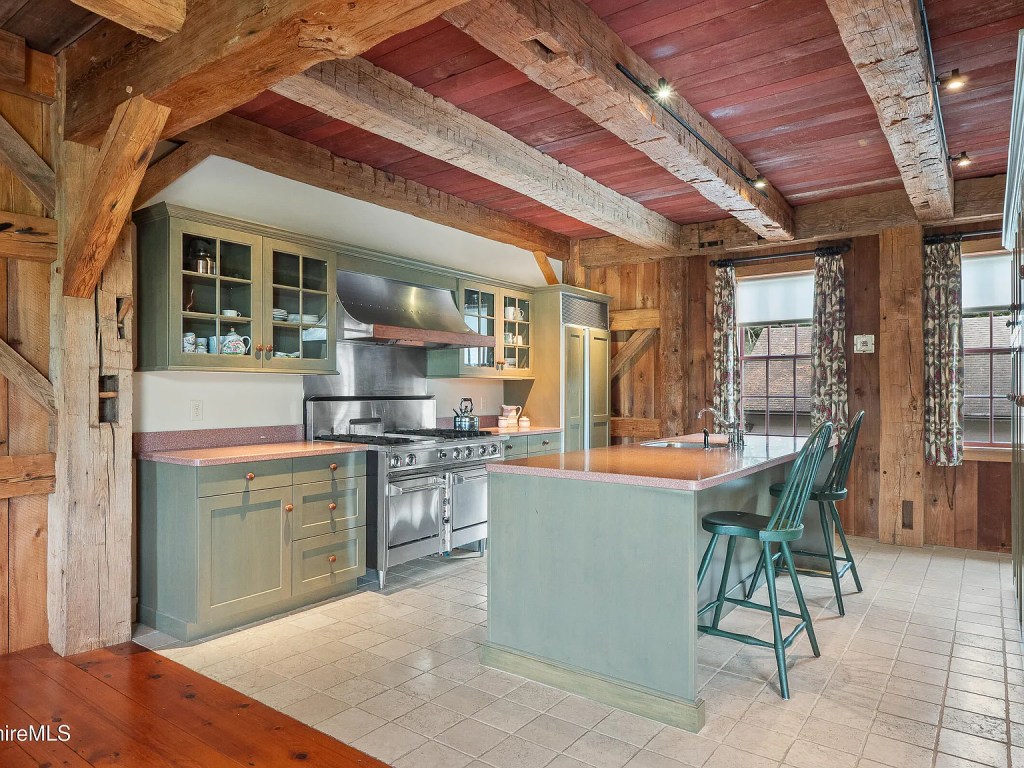
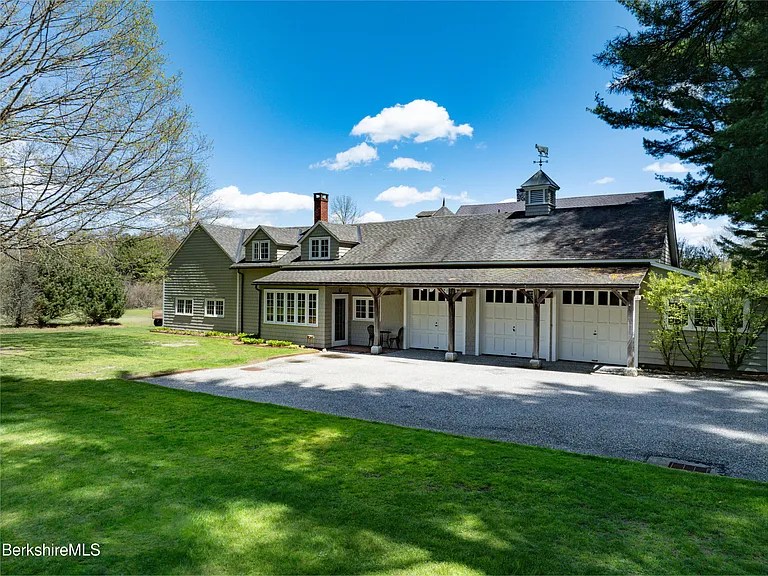
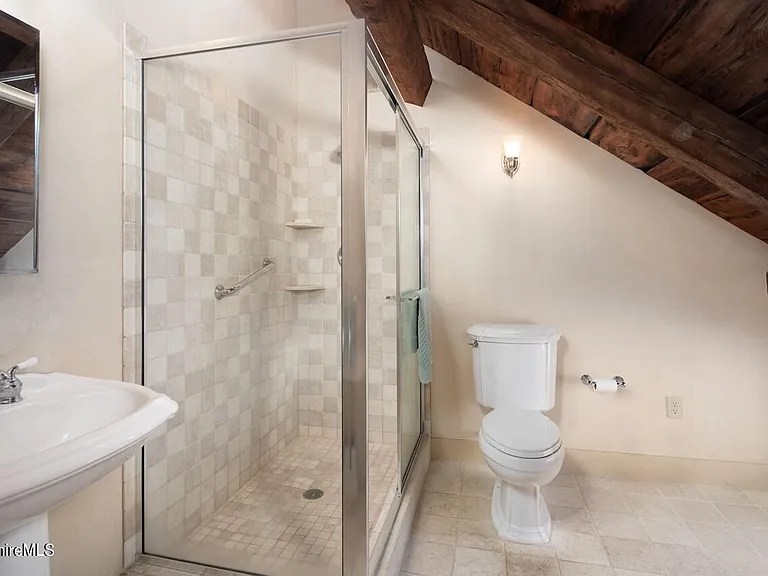
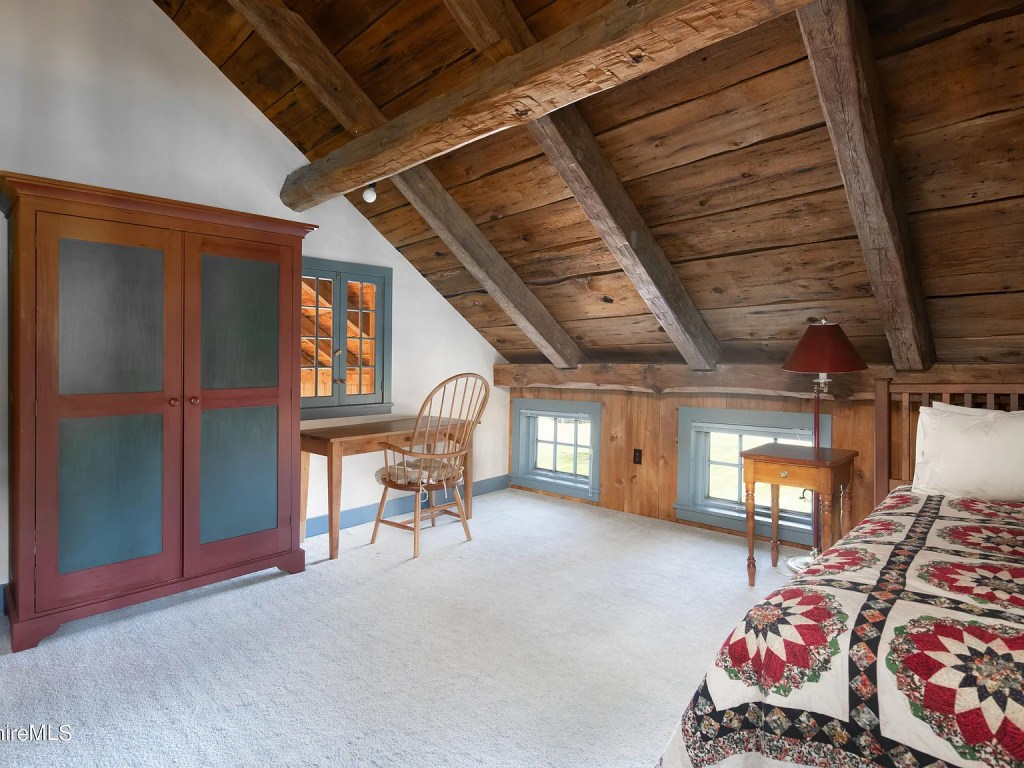
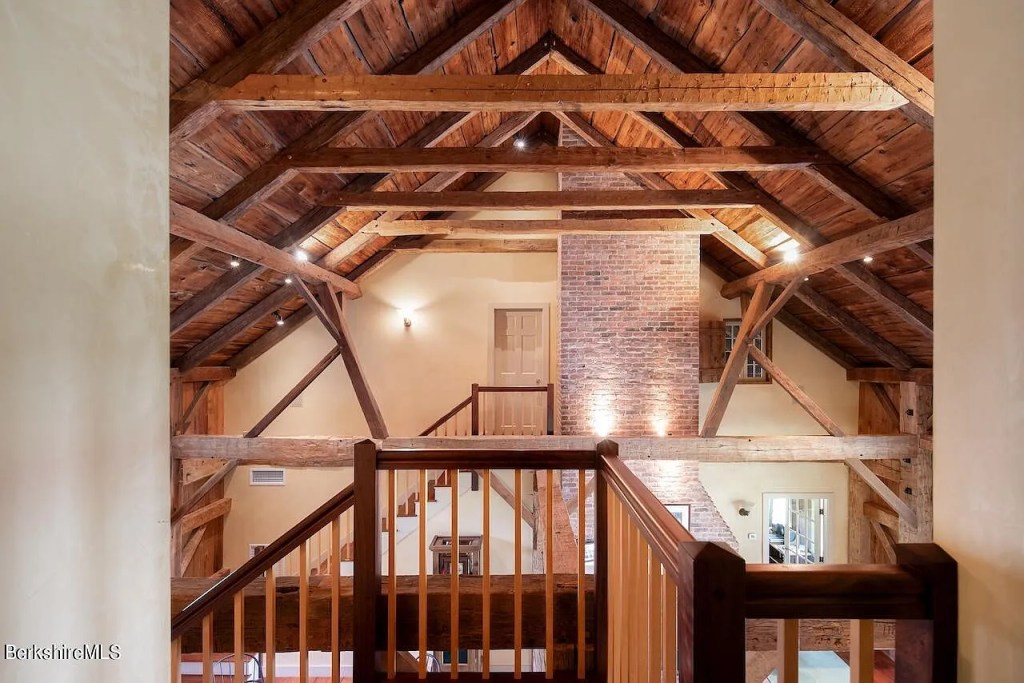
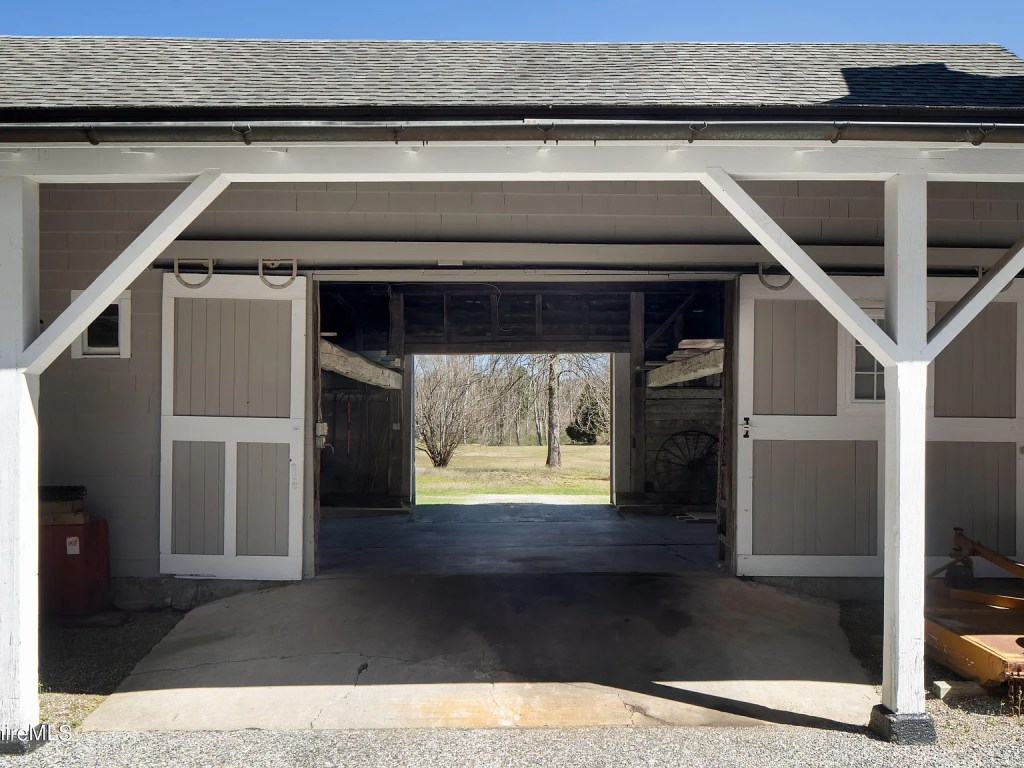
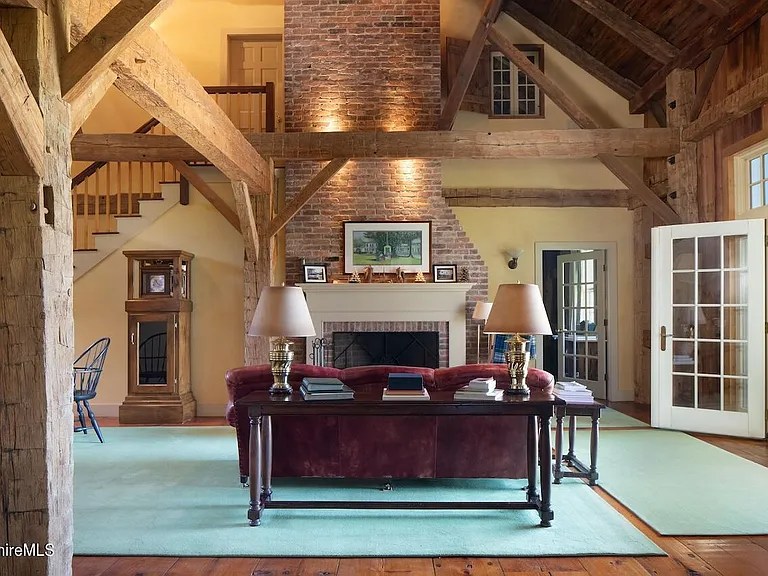
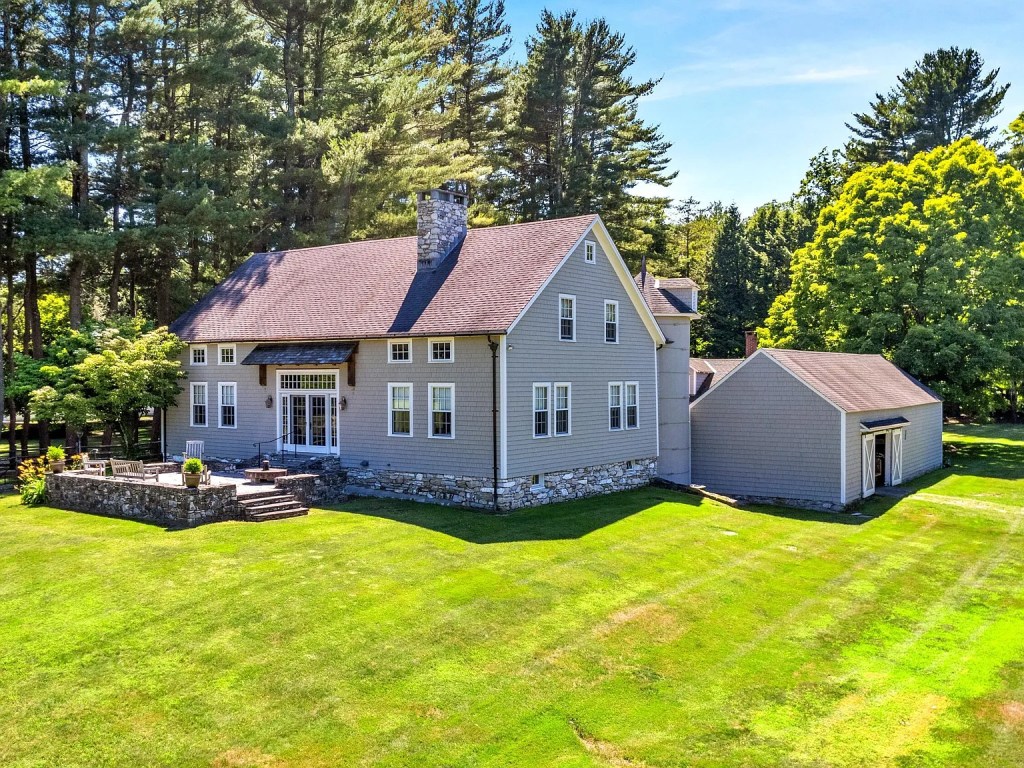
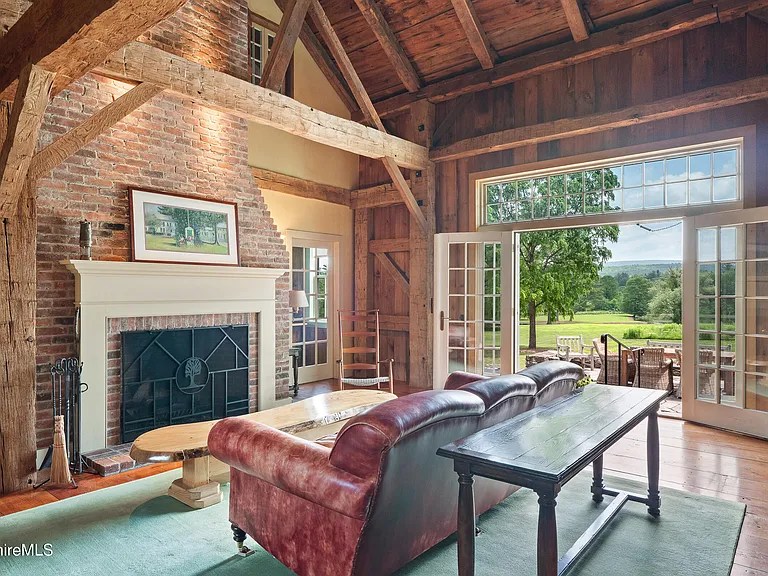
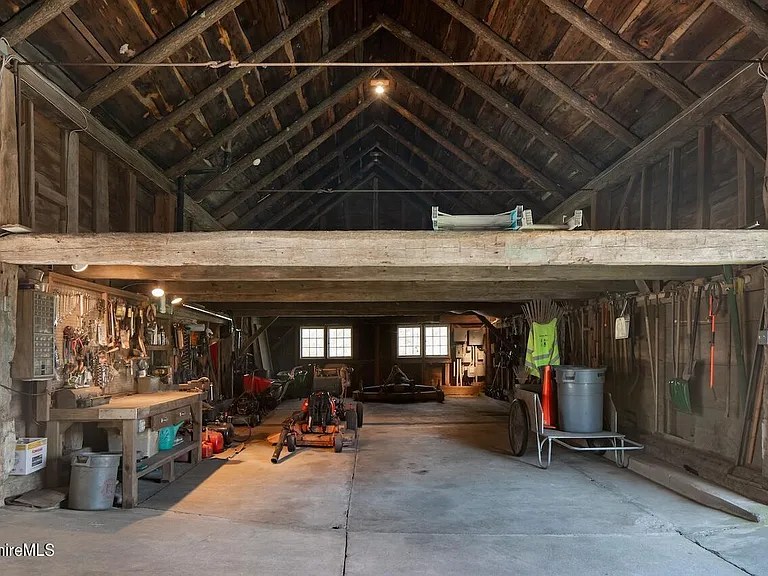
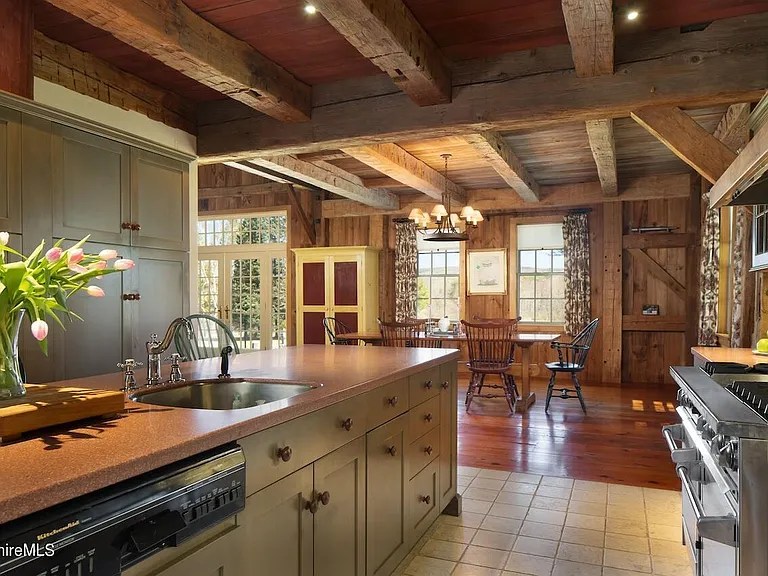
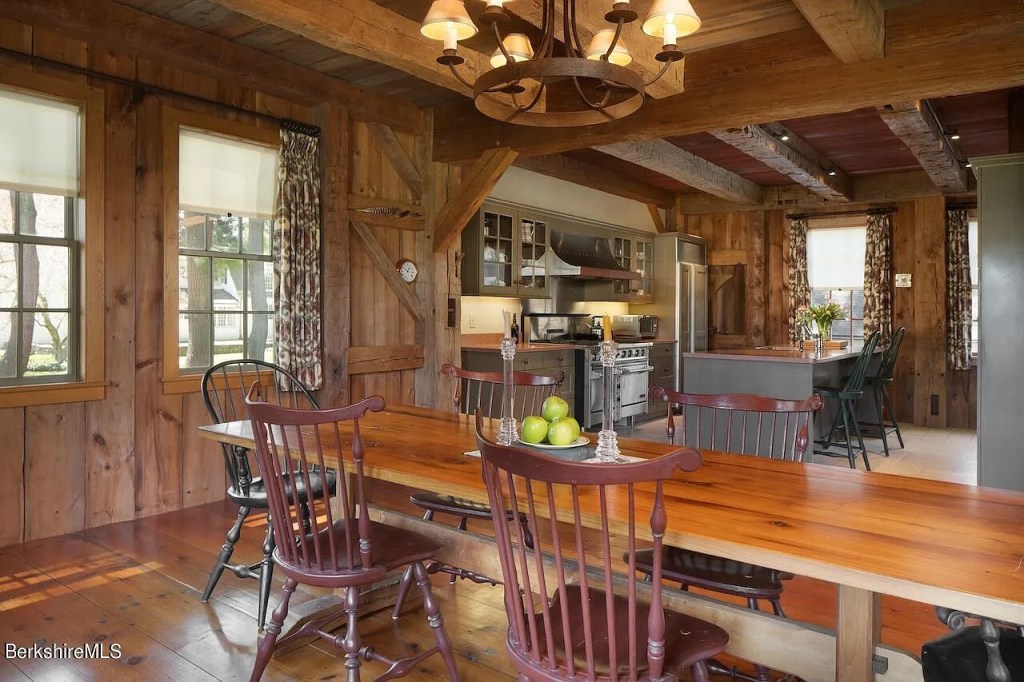
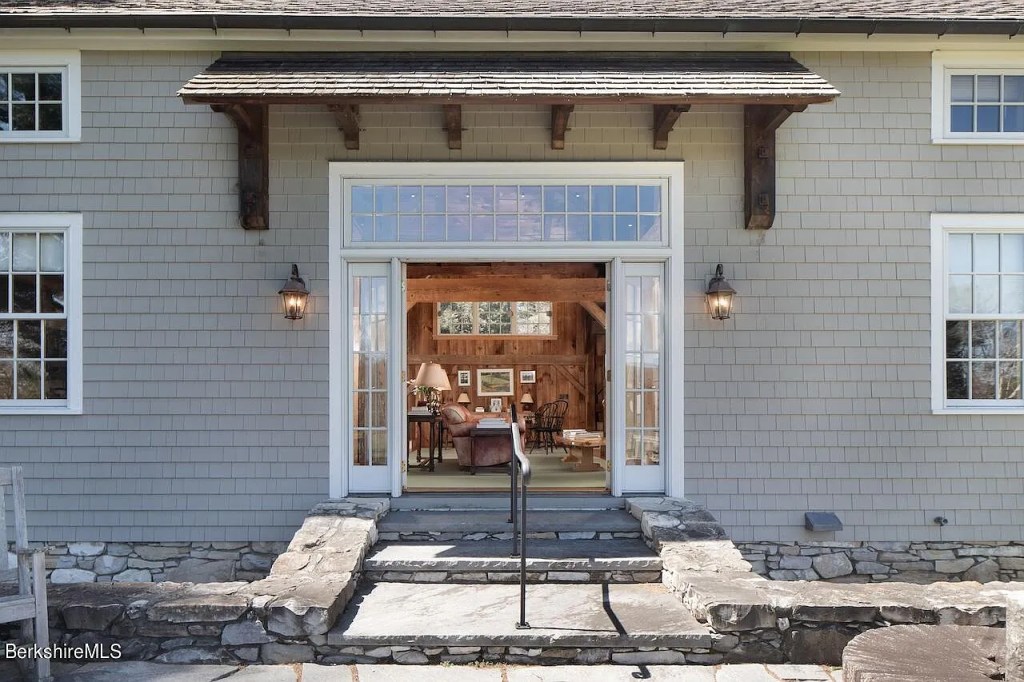
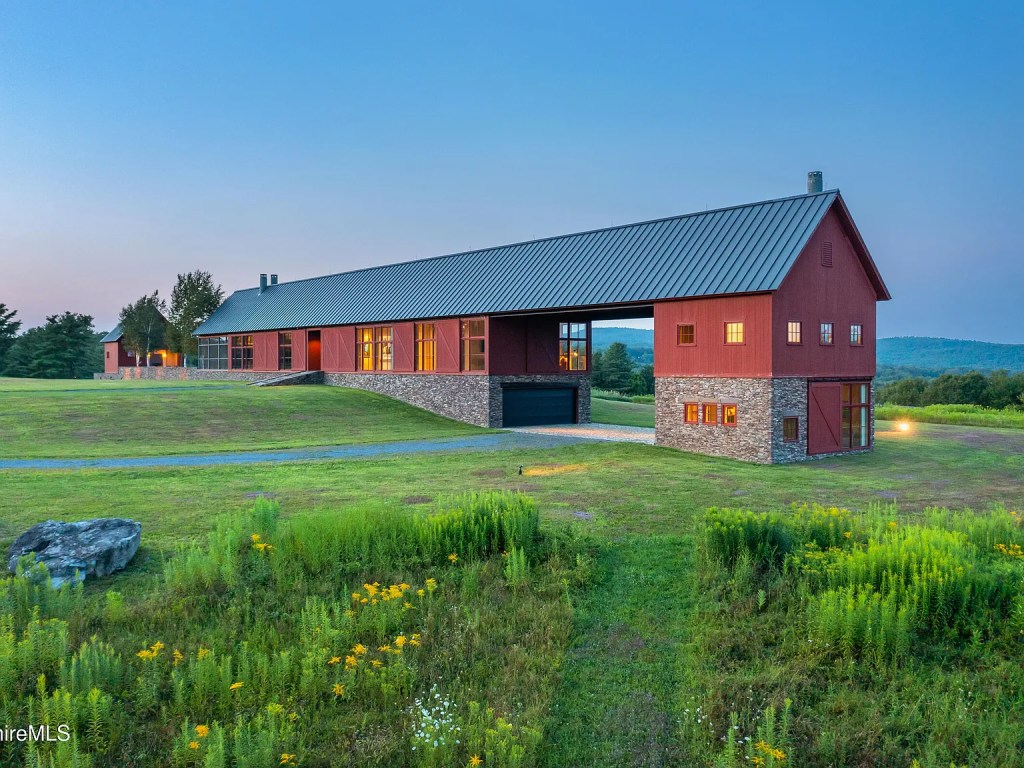
There’s something exhilarating about seeing old farm buildings repurposed in ways that honor their past but serve the present. The timber frame barn conversion on the property might be one of the best examples of adaptive reuse in the Berkshires. A 2.5-story great room with hand-hewn beams and plastered walls forms the soul of the space. Two walnut staircases frame the room like sculpture, rising dramatically to separate bedroom wings.
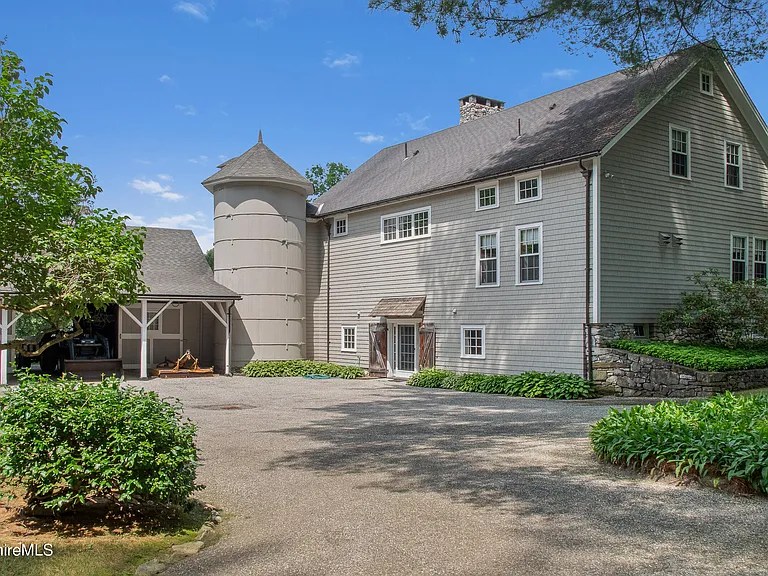
And then, there’s the silo. Instead of leaving it as a crumbling relic of the farm’s past, the current stewards transformed it into a rock-climbing gym. Equal parts whimsical and brilliant, it’s proof that old spaces don’t need to be frozen in time, they can evolve without losing their soul.
Architecture as Storytelling
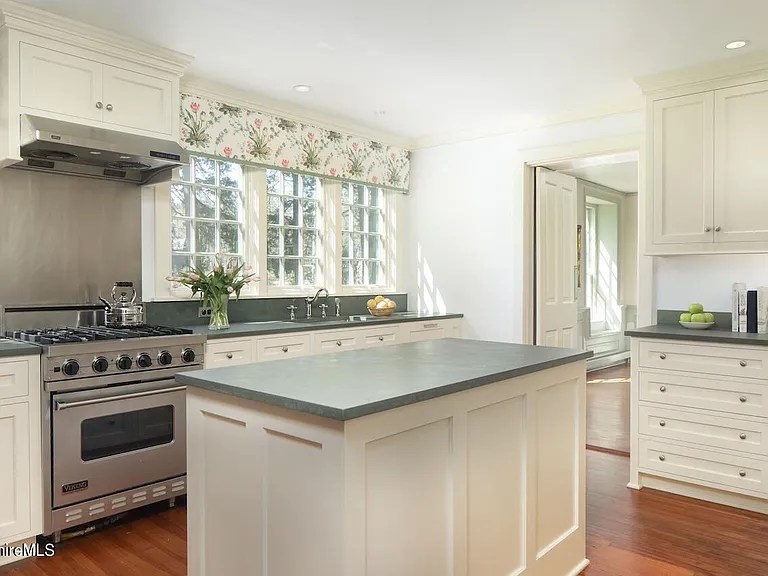
The Tullar House isn’t just an architectural gem, it’s a time capsule that continues to grow. The ornate heart motifs on the shutters, the stone walls, the wide-open porches, and even the massive specimen trees all speak to an era when craftsmanship mattered. And somehow, it all still works for today’s life, without feeling like it’s been over-polished.
This is a home designed and evolved over centuries not by trend, but by use. It’s a place that invites you to slow down, look closely, and appreciate the creaks, curves, and corners that define true character. In a world obsessed with perfection, homes like this remind us that beauty often lives in the quirks.
About South Egremont
To appreciate this house is to also appreciate its setting. South Egremont is one of those rare places that has preserved its colonial-era charm without becoming a museum. There’s an old one-room schoolhouse still in use as a community gathering space. There are family-run restaurants, working farms, and a rhythm of life that feels rooted and real.
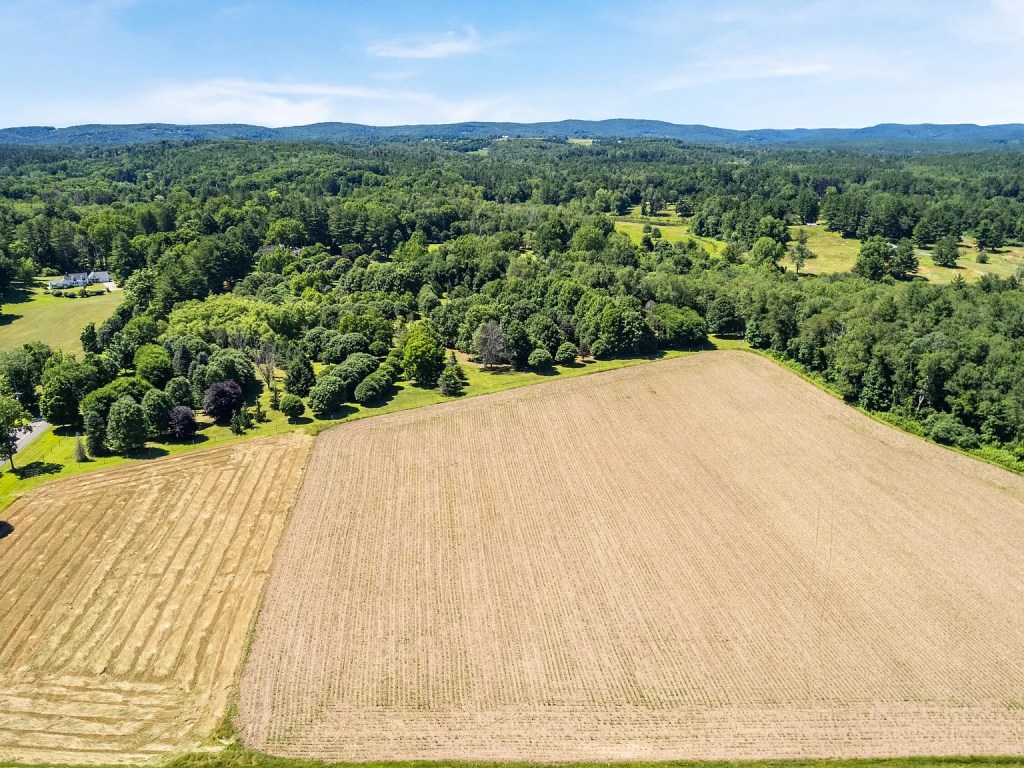
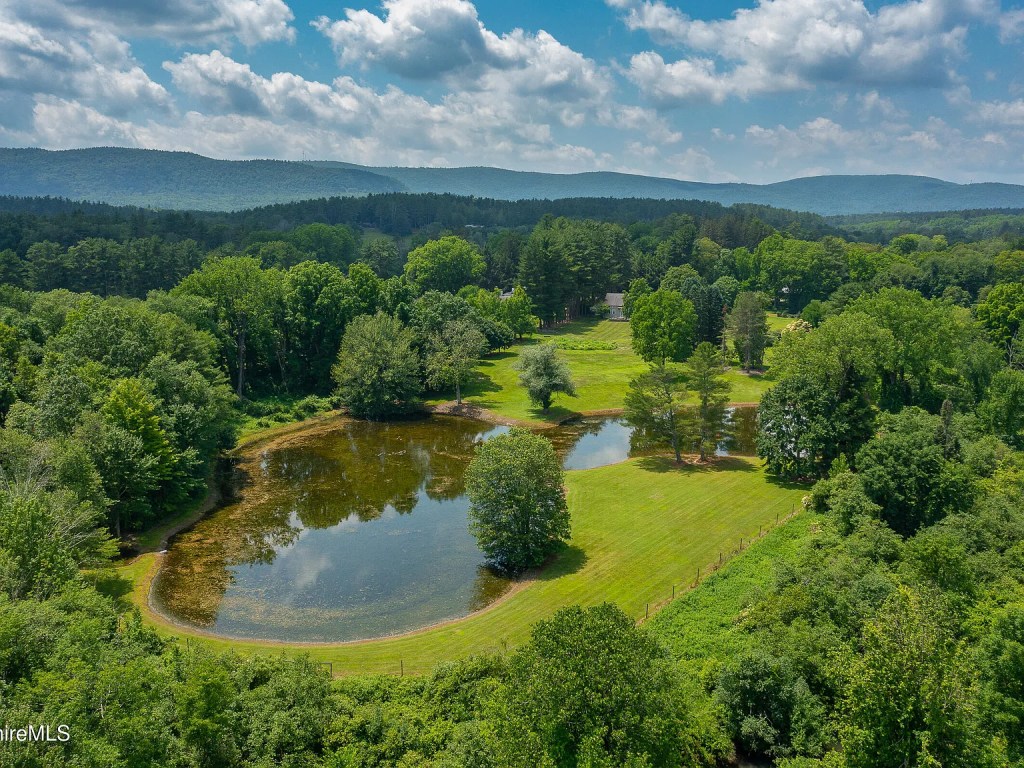
Located in the Berkshires, near the borders of New York and Connecticut, Egremont is just minutes from the cultural epicenter of Great Barrington, but feels worlds away. It’s the kind of place where architecture and landscape still work in harmony. Where a morning walk might take you past 18th-century stone walls, tree-lined fields, and open skies.
Final Reflection
The architecture of Tullar Farm isn’t flashy. It doesn’t beg to be Instagrammed. It’s deeper than that. It’s layered with care, wear, tradition, and reinvention. It’s a house you can live in and learn from.
For anyone who geeks out on historic details, is obsessed with original woodwork, or has ever dreamed of converting a barn (or climbing in a silo), Tullar Farm is a masterclass in old-world design meeting modern creativity. It’s not just a place, it’s a piece of American architecture that’s still writing its story.
📎 Listing Info & Credit
Listed by: Lauren A. Molk 413-854-3736, ELYSE HARNEY REAL ESTATE
🔗 View the Full Listing: 25 Sheffield Rd, Great Barrington, MA 01230
📸 All photos credited to the original listing agent or platform. Shared for editorial and appreciation purposes only. If you’re the homeowner or photographer and would like your listing removed or credited differently, please contact me.

Love Homes Like This?
For more historic homes, unique small-town real estate, and houses filled with character for inspiration, follow us on Instagram @hiddenholms and subscribe on YouTube for walkthroughs, style deep-dives, and curated property picks that make a home feel extraordinary.
Disclaimer
Hidden Holms is a design and architecture blog that highlights unique real estate listings across the country. We are not real estate agents, brokers, or affiliated with MLS listings. Property details, pricing, and availability are subject to change. All listing photos and property information are credited to the original real estate source.


Leave a comment