
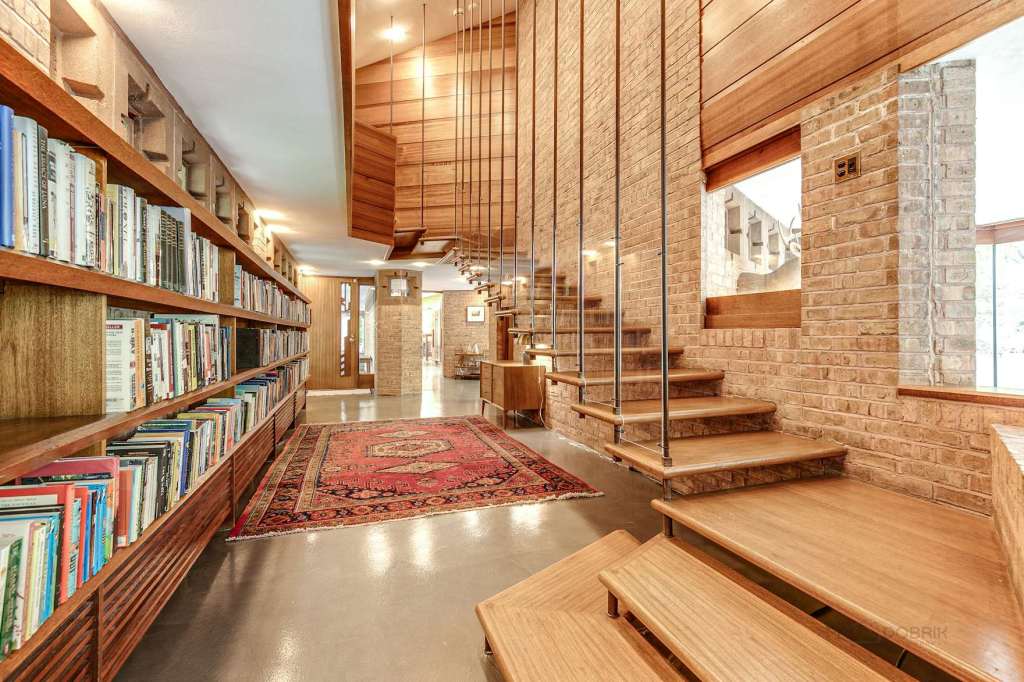
Photo by: Palo Dobrik Photography
If you’ve spent any time drooling over dream homes on Instagram or binging architecture reels on YouTube, you’ve probably come across a jaw-dropping floating staircase. You know the kind, sleek treads that seem to hover in midair, casting shadows across the wall like an art installation. But beyond the visual drama, floating staircases are a feat of engineering, design strategy, and modern-day building innovation. In this post, we’ll dive deep into everything you need to know about floating staircases, from their origins and structural secrets to whether they’re worth the hype for your next remodel or dream home.
What Is a Floating Staircase?
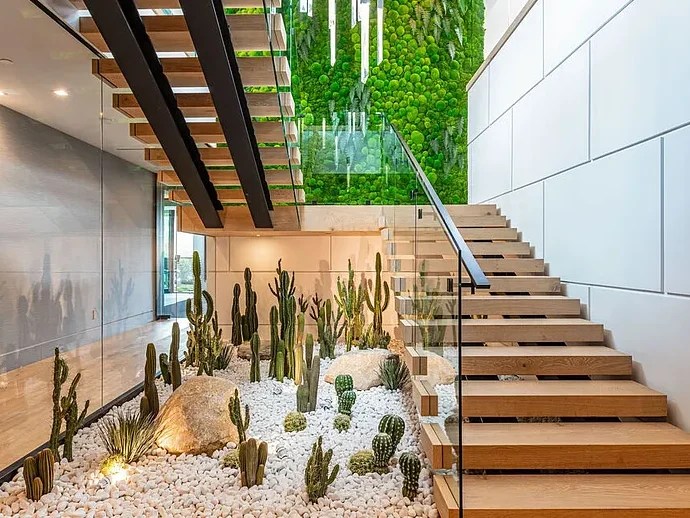
A floating staircase, also called a cantilevered staircase, is designed so that the treads (the parts you step on) appear unsupported or “floating” without visible risers or stringers. Instead of being boxed in or anchored on both sides like traditional stairs, floating stair treads are usually attached to a hidden structural element, often inside a wall or behind a glass railing.
These staircases can give the illusion of defying gravity and create a sense of openness and minimalism in a space. They’re often found in contemporary, modern, industrial, and high-end custom homes, where clean lines and architectural statements are a priority.
When Did Floating Staircases Originate?
Floating staircases are a relatively modern invention. While cantilevered architecture has existed since the early 20th century, thanks to pioneers like Frank Lloyd Wright and Le Corbusier, the fully exposed floating stair as a residential design element didn’t take off until the late 20th century.
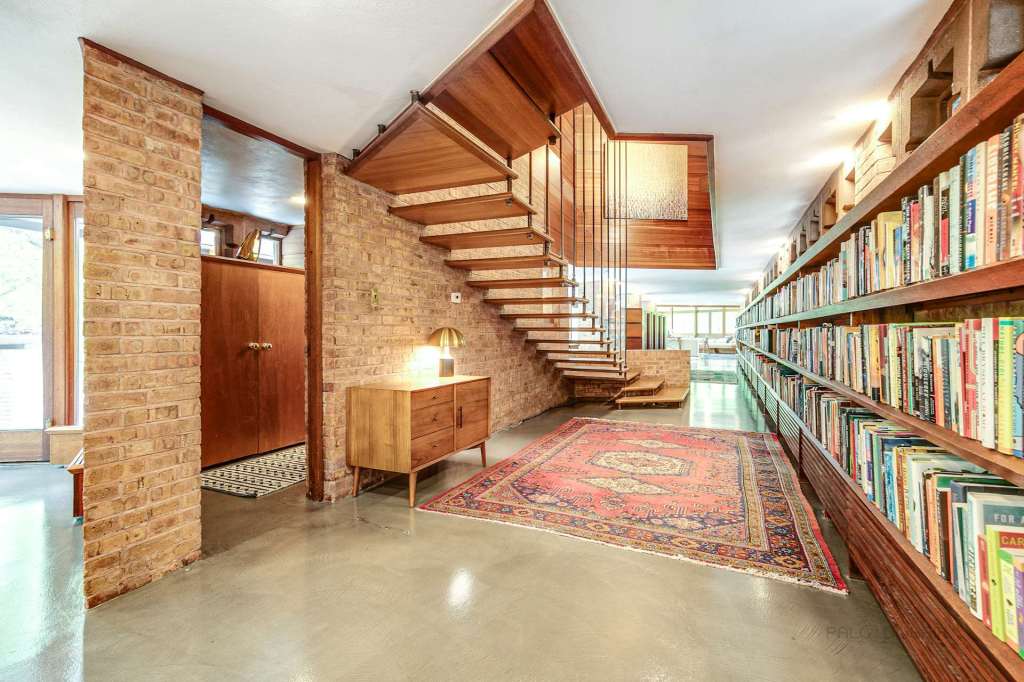
The minimalist design movement of the 1950s and 60s helped pave the way. As architectural styles leaned toward open plans and clean geometry, designers began to explore staircases that served both function and sculptural form. Early iterations were seen in brutalist and mid-century modern buildings but have since evolved into the jaw-dropping showpieces we see in today’s luxury homes.
How Are Floating Staircases Built?
Here’s where the magic happens and why these stairs are anything but simple.
1. Cantilevered Support
In most floating staircases, each tread is cantilevered, meaning it’s anchored at one end and extends out without external support. The anchor point is typically a steel beam or metal bracket embedded inside a load-bearing wall. That wall must be reinforced and capable of carrying the weight of not only the staircase but also the people walking on it.
2. Central Spine Systems
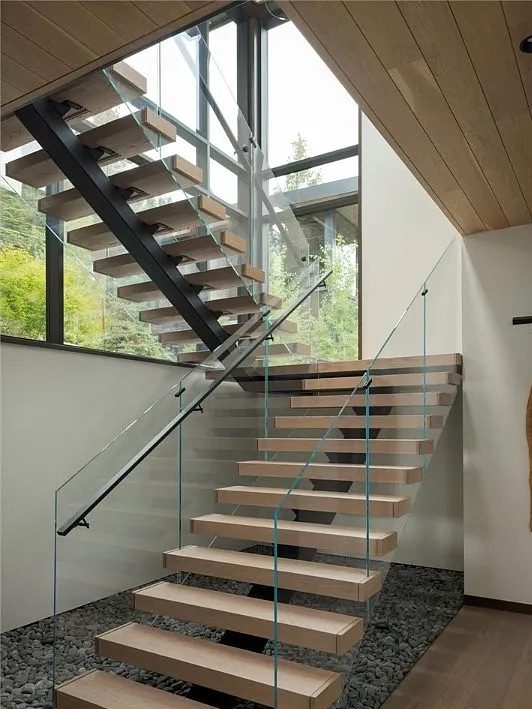
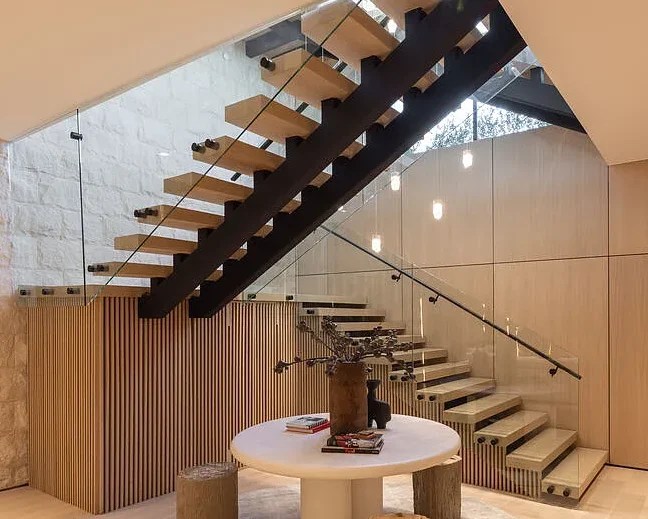
Another common construction type involves a central spine beam, often steel or timber, that runs up the middle and supports each tread from underneath. Though it’s visible, it’s often thin or stylized, keeping the “floating” illusion intact.
3. Stringer-Free Systems
Some ultra-minimalist floating staircases do away with visible supports entirely. In these, the structure is concealed inside the wall or within custom-fabricated treads, using high-strength materials like steel, engineered wood, or even glass.
4. Railing Options
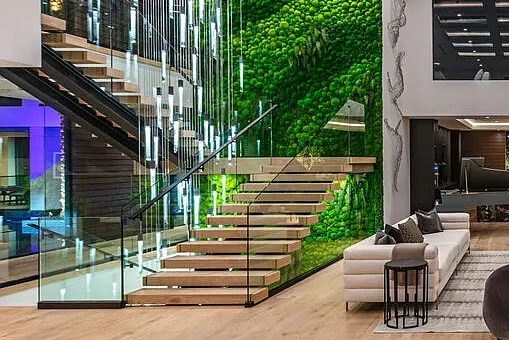
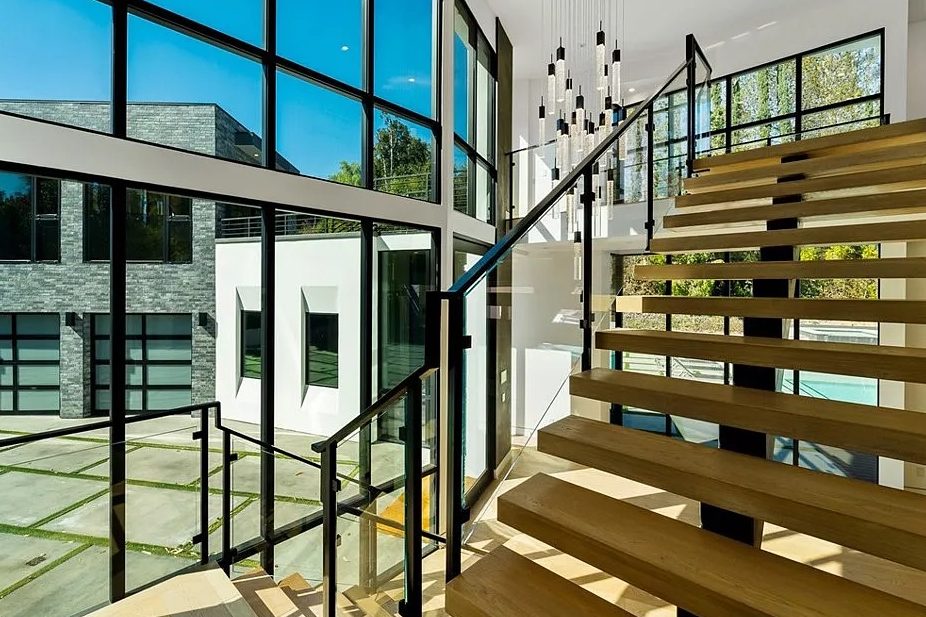
Railing systems are often either glass, cable, or free-standing. Glass keeps the design airy and open, while metal cables provide a more industrial aesthetic. Some designs intentionally skip railings altogether (though this isn’t usually up to code).
Different Floating Staircase Designs
There’s more than one way to “float” a stair. Here are the most popular floating staircase styles:
➤ Wall-Mounted Cantilevered Stairs
Treads are anchored to one side and appear to float off a solid wall. This is the purest form of the floating aesthetic.
➤ Mono Stringer Floating Stairs
A single central beam supports all treads, usually visible. It gives the staircase a structural edge while still maintaining an open feel.
➤ Double Stringer Stairs
Two parallel beams (usually steel) support the treads underneath. These are common in commercial settings and modern homes alike.
➤ Glass Tread Floating Stairs
For the ultimate in visual drama, some staircases feature thick glass treads paired with glass railings. These are stunning, but not for the faint of heart…or sock wearers (ha!).
➤ Floating Spiral Stairs
Though less common, floating spiral stairs combine the open look with compact footprints. These are tricky to engineer but can be architectural focal points.
Why Choose a Floating Staircase?
The decision to install a floating staircase usually comes down to aesthetic impact, space optimization, and architectural cohesion. Here’s why people love them:
✅ Open Space Vibes
No bulky stringers or risers = no visual clutter. Floating stairs are great for small or modern spaces where openness is a design goal.
✅ Architectural Statement
Let’s be honest: floating stairs look expensive (because they usually are). They signal luxury, high design, and attention to architectural detail.
✅ Light Flow
Because they don’t block sightlines or light paths, floating stairs help keep natural light moving through multi-story spaces.
✅ Modern Minimalism
Clean, geometric lines and a minimalist footprint pair well with contemporary and Scandinavian interiors.
Downsides and Considerations
As with most great design, floating stairs are not without their trade-offs.
❌ Cost
They are significantly more expensive than traditional stairs due to custom fabrication, structural engineering, and material choices.
❌ Complex Installation
These aren’t a DIY project. Installing a floating staircase requires a skilled team of architects, engineers, and contractors. Retrofitting one into an existing home? Even harder.
❌ Building Code Challenges
Many floating staircases don’t meet standard building codes, especially if they lack risers or handrails. You’ll need to work closely with your local permit office to stay compliant.
❌ Safety Concerns
For families with small children, pets, or elderly residents, open-sided stairs can be a hazard. Some people report feeling uneasy or unbalanced when walking up open-tread stairs.
Are Floating Staircases Hard to Build?
Yes and no. For a seasoned architect and builder, floating staircases are entirely doable, but they do require:
- Early planning (especially in new construction)
- Load-bearing walls or a dedicated steel frame
- Precision engineering
- Custom fabrication of parts
- Knowledge of local code requirements
In short: they’re not hard for professionals, but they’re definitely not beginner-friendly. Retrofitting them into an existing space typically requires major renovation work and may not be structurally feasible without major upgrades.
What Types of Homes Typically Have Floating Staircases?
You’ll most commonly find floating staircases in:
- Modern and contemporary homes
- Industrial lofts
- Luxury custom builds
- Minimalist or Scandinavian-inspired designs
- Open-concept spaces
That said, floating stairs are increasingly making appearances in eclectic and transitional homes where homeowners want to blend traditional architecture with bold, modern elements.
Materials Used in Floating Staircases
Depending on the design and desired aesthetic, materials vary:
- Wood – Popular for warmth and visual contrast; usually engineered or hardwood
- Steel – Often used for the hidden structural core or visible stringers
- Glass – Used for treads and railings in ultra-modern applications
- Concrete – Rare, but dramatic; used in brutalist or modernist designs
Should You Choose a Floating Staircase?
Say yes if you:
- Want a minimalist or architectural focal point
- Are building a custom home with a flexible layout
- Prioritize design, light flow, and open space
- Don’t mind higher costs or construction complexity
Think twice if you:
- Have small children or mobility concerns
- Are renovating an older home with structural limits
- Need to stay within a tight budget
- Prefer traditional or rustic design aesthetics
Floating Staircases in Interior Design
A floating staircase isn’t just a way to move between floors—it’s a design centerpiece. Many designers use them to:
- Divide spaces subtly without walls
- Showcase material contrasts (like wood vs steel)
- Layer in lighting (LED strips under treads are 🔥)
- Maintain visual flow across open-plan layouts
They’re often paired with feature walls, gallery-style lighting, or floor-to-ceiling windows to amplify their impact.
Final Takeaway
Floating staircases are more than just a design trend; they’re a structural and aesthetic choice that can transform the look and feel of a space. While they require more investment and planning than traditional staircases, their impact on architecture and design is undeniable. Whether you’re building your dream home or just dreaming up ideas, floating stairs might be the architectural statement that lifts your space to the next level.


Leave a comment