
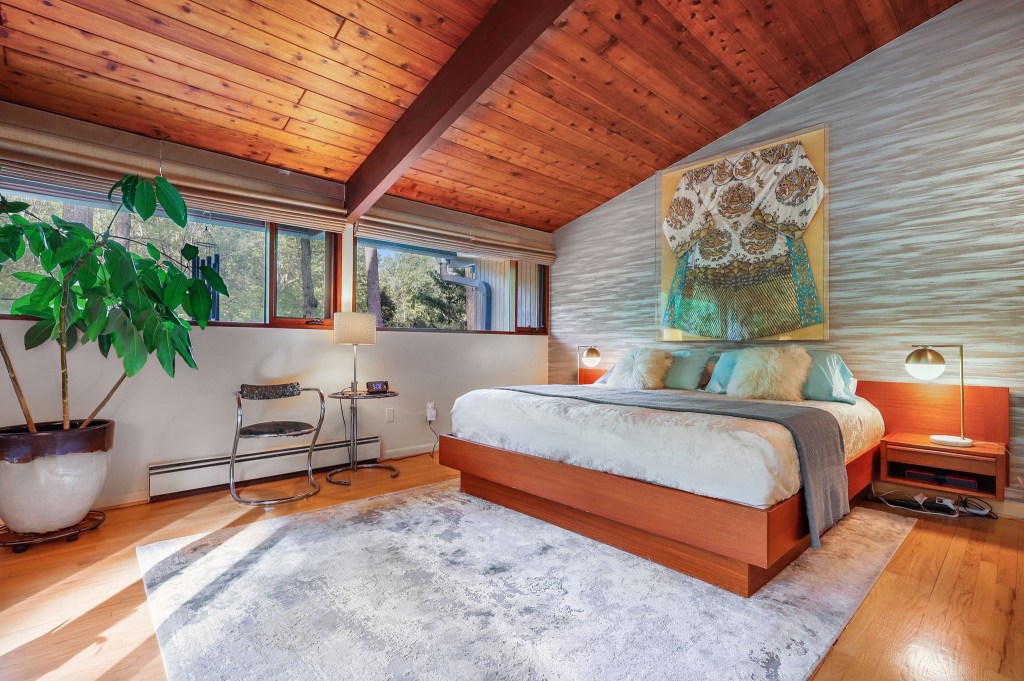
Smart Home Design Feature in Real Estate
If you’ve ever walked into a home and been struck by how open and light-filled it felt, but couldn’t quite pinpoint why…it might’ve been a clerestory window doing the heavy lifting. These high-placed, often-overlooked windows bring in natural light, help regulate temperature, and elevate a home’s entire architectural vibe without stealing the spotlight.
In this post, we’ll break down what clerestory windows are, why they’re beloved in architecture (especially in mid-century modern and mountain homes), and how you can spot or even incorporate them into your own home. Whether you’re a home design enthusiast, future homeowner, or just Zillow-scrolling for inspiration, this one’s for you.
What Is a Clerestory Window?
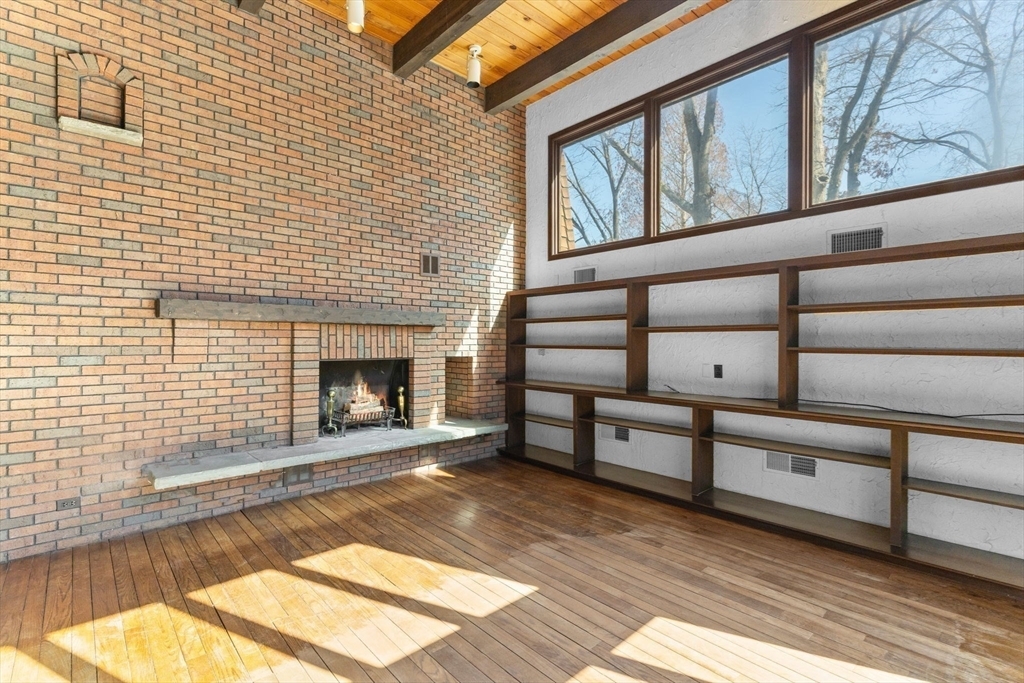
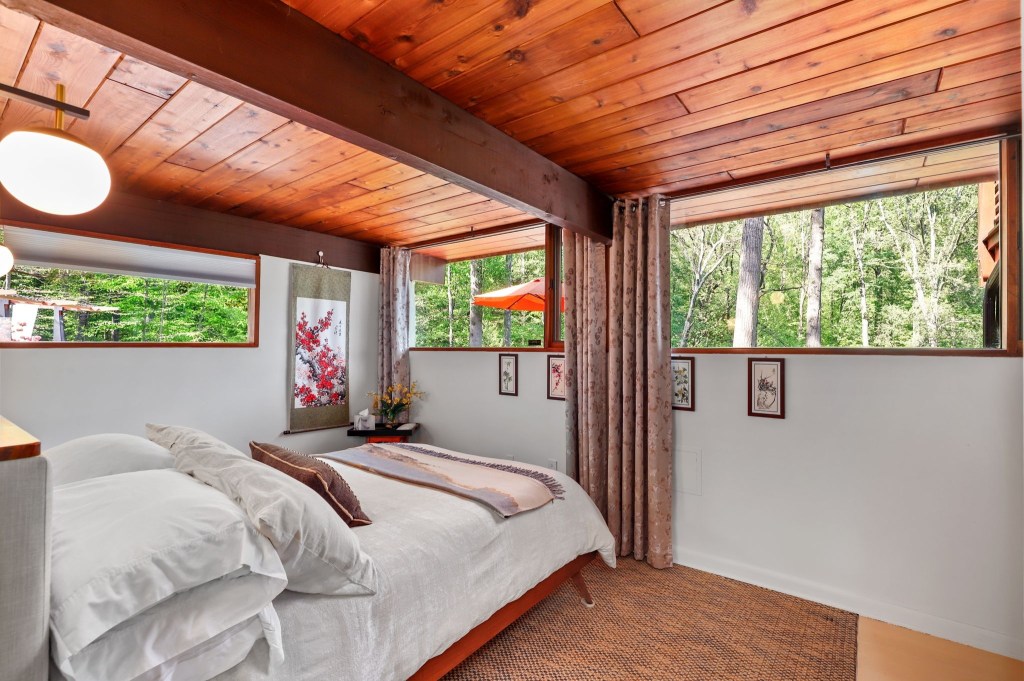
A clerestory window is a window or row of windows positioned high on a wall, typically above eye level and often located just below the roofline. These windows are most commonly used to bring in natural light, create a sense of openness, and promote passive ventilation without compromising privacy.
You’ll find clerestory windows used in both residential and commercial architecture, but they really shine in homes that are designed with intentionality and respect for light, space, and flow.
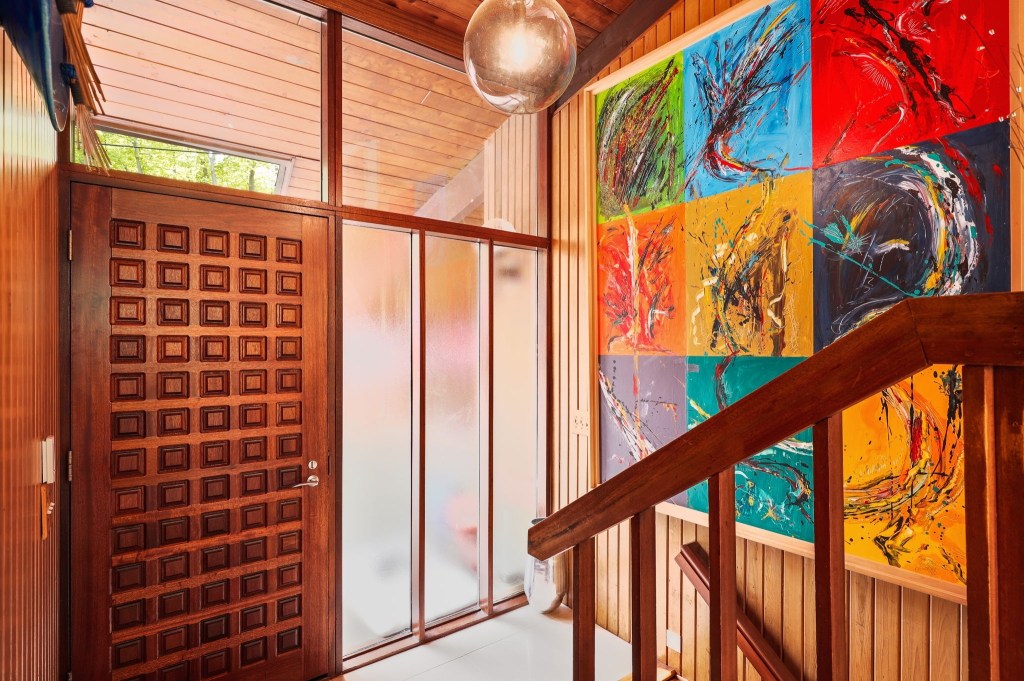
Why Clerestory Windows Matter in Home Design
Clerestory windows are a classic example of form meeting function. They do so much more than just look nice:
- Let in Natural Light Without Glare: Because they’re positioned so high, the light they bring in is often diffused and soft. This creates a naturally lit space without the harsh shadows you might get from larger wall-height windows.
- Preserve Privacy: Want sunlight without the world looking into your living room? Clerestory windows are the answer. They maintain an open, bright atmosphere while keeping your private life private.
- Allow for Passive Ventilation: Some clerestory windows are operable, meaning they can open and close. When placed correctly, they allow hot air to rise and escape, improving airflow and helping to naturally cool the home.
- Architectural Impact: They make a space feel taller, airier, and more balanced. Used right, clerestory windows can make even a modest home feel like a thoughtful, design-forward space.
Where You’ll Find Clerestory Windows
Clerestory windows have a rich architectural history and show up in all kinds of homes, but there are certain styles where they’re especially popular:
Mid-Century Modern Homes
This is clerestory window territory. Homes built in the 1950s–1970s often emphasize clean lines, low profiles, and lots of natural light. Clerestory windows were a favorite design tool of architects like Joseph Eichler and Frank Lloyd Wright to emphasize horizontal planes and bring in daylight.
Deck Houses and Timber Frame Homes
These homes often have tall, open ceilings with exposed beams, and clerestory windows are used to break up rooflines and bring sunlight into central living areas. You’ll find them in ski lodges, New England homes, and houses nestled into wooded areas.
Contemporary and Mountain Homes
Modern mountain homes often include clerestory windows to keep interiors from feeling too enclosed or dark. They’re especially useful in climates where direct sunlight is limited or seasonal.
Passive Solar and Green Homes
Homes designed with energy efficiency in mind often use clerestory windows as part of a passive solar strategy. They can be placed strategically to capture winter sunlight for warmth and promote airflow during warmer months.
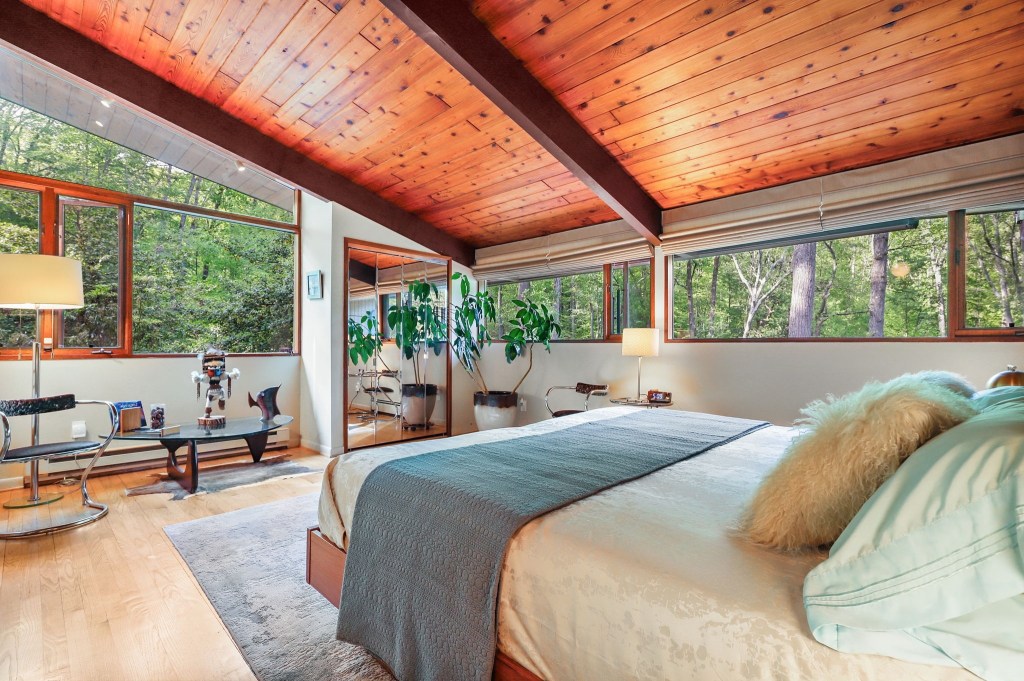
How Clerestory Windows Affect a Room in any House
Here’s what clerestory windows actually do to the way a room feels:
- They lift the ceiling visually. Even if the ceiling isn’t vaulted, clerestory windows make the room feel taller and more open.
- They add rhythm and balance. A row of small windows at the top of a wall breaks up space in a pleasing, balanced way.
- They highlight architecture. Clerestory windows play nicely with post-and-beam construction, exposed rafters, and unique rooflines.
Common Questions About Clerestory Windows in Houses
Do clerestory windows work in cold climates?
Absolutely. In fact, clerestory windows can help with passive solar heating if positioned to capture sunlight. They’re commonly used in Northern homes and ski cabins where maximizing daylight matters.
Are they energy-efficient?
They can be. With double or triple-pane glass and strategic placement, clerestory windows help reduce the need for artificial light and assist with airflow, cutting down on HVAC costs.
Can they be added to an existing home?
Yes. But it’s not always simple. Because they usually involve structural changes near the roofline, adding clerestory windows typically requires an architect or skilled contractor. But the payoff in light and aesthetic can be well worth it.
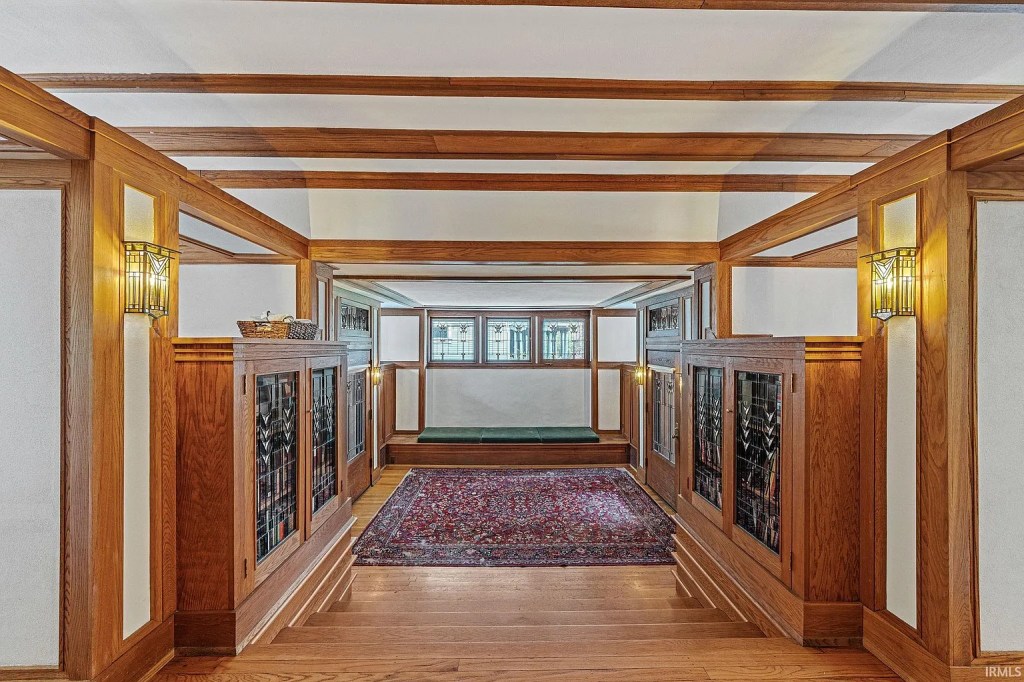
Real-Life Examples of Clerestory Windows
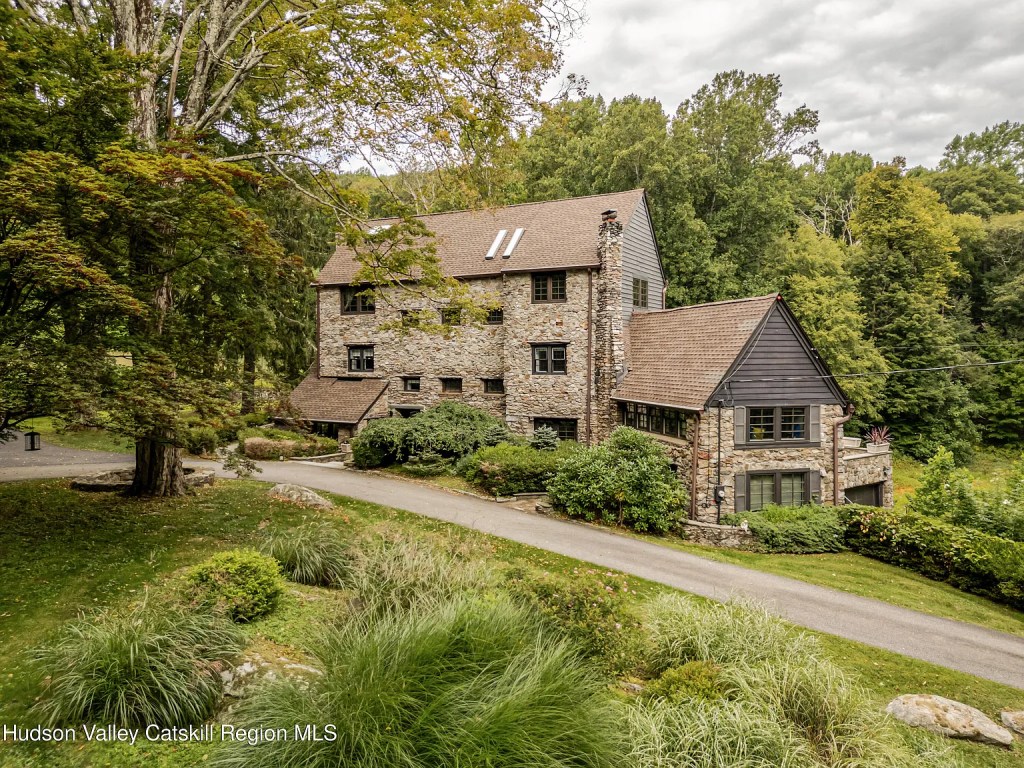
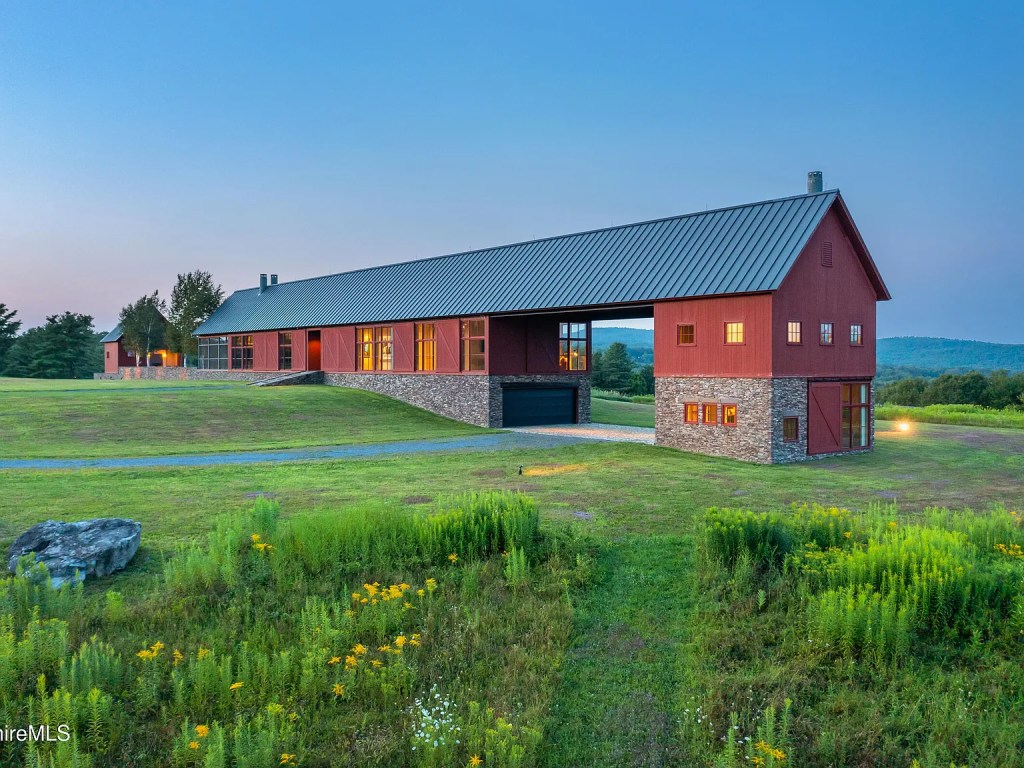
You’ll see clerestory windows in many of the homes I spotlight at Hidden Holms. They often show up in renovated mid-century houses, updated deck homes, or those dreamy New England cabins that let the forest light stream in.
If you’re browsing a listing and the room just glows, look up. You might be seeing a clerestory window doing what it does best: shaping the entire vibe without drawing too much attention to itself.
Final Takeaway: Why You Should Pay Attention to Houses with Clerestory Windows
Clerestory windows are one of those subtle design details that can totally transform how a space feels. They’re functional, architectural, and surprisingly emotional, because when light moves right through a space, it changes how we experience it.
Whether you’re building, buying, or just dreaming, understanding what clerestory windows do gives you one more lens through which to appreciate intentional, beautiful home design.
So next time you see a beam of soft light stretching across a ceiling, or a space that feels peaceful for no obvious reason, you’ll know: there’s probably a clerestory window behind it.
📌 Realtor + Photo Credit + Disclaimer
If you’ve seen a home on Hidden Holms that features beautiful clerestory windows, and you’d like to learn more about the property, all listing information and photo credits can be found in the video description on our YouTube channel or within the blog posting.
I do not own the homes or images featured unless explicitly stated. Hidden Holms is not affiliated with any real estate agency or listing service. All content is created to celebrate design and inspire appreciation for interesting, regionally rooted architecture.


Leave a comment