

Ever wander past an old house and wonder about its story?
Every historic home in America—from stately mansions to cozy cottages—reflects the design trends, cultural values, and craftsmanship of its time. Whether you’re dreaming of restoring an old gem or just love vintage architecture, learning to recognize different American home styles is like unlocking a secret language of the past.
Here’s your beginner-friendly guide to the top 9 historic American home styles, filled with charm, history, and the clues you need to spot each one in the wild.
1. Colonial (1600s–1800s)
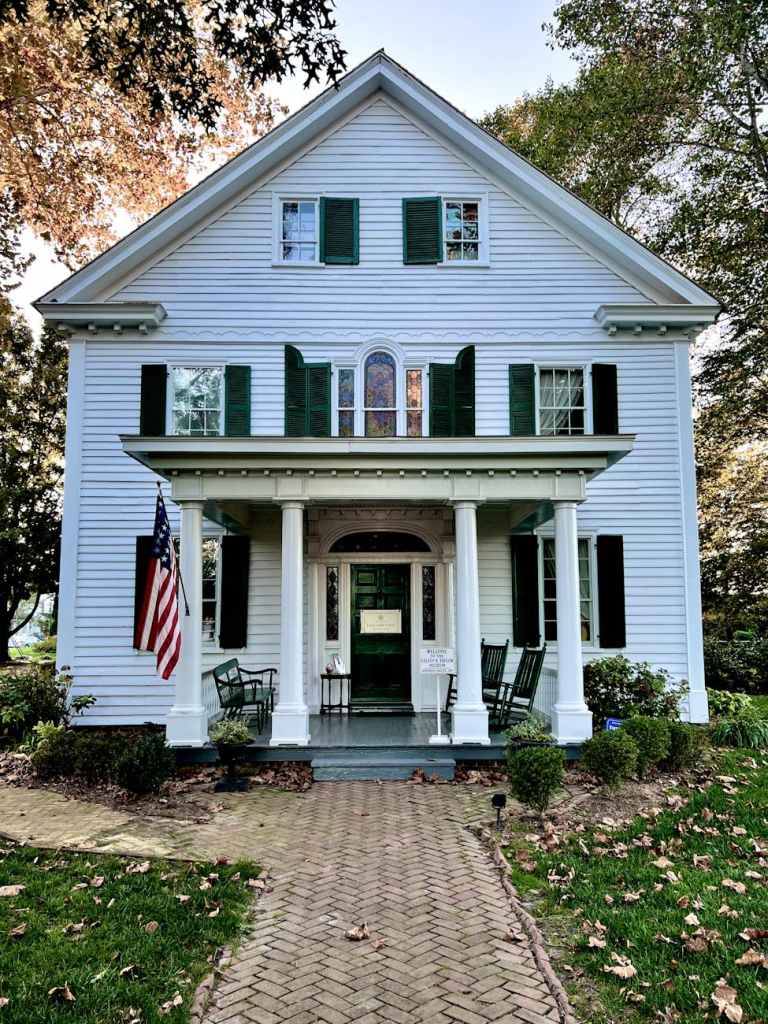
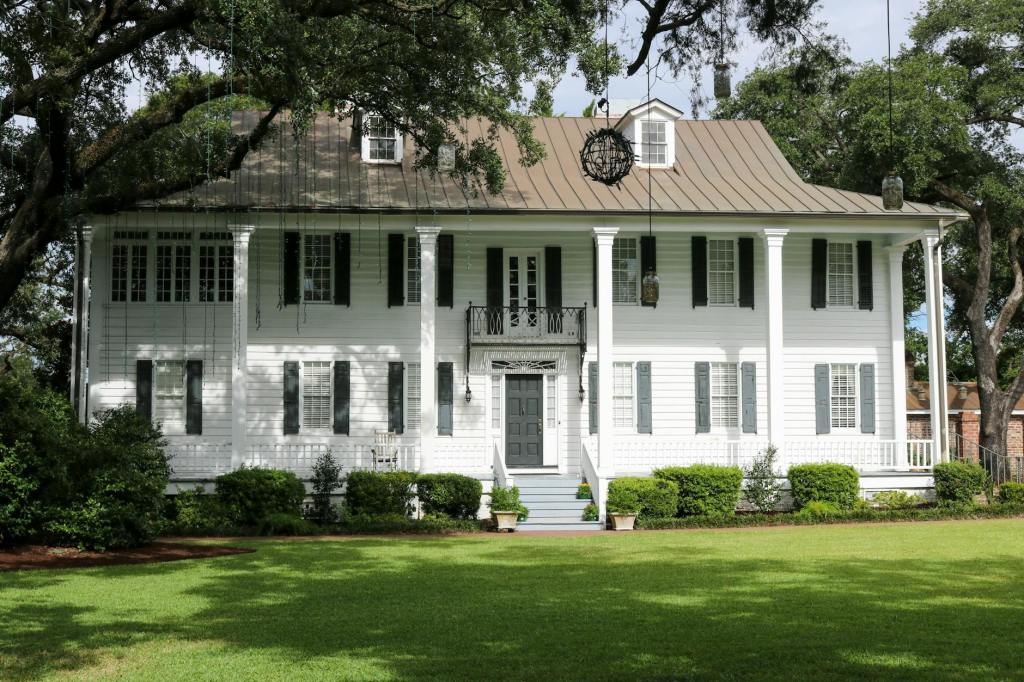
Key Features: Symmetrical façade, gabled roof, central front door, shuttered windows
Common Materials: Brick, wood siding, stone
Regions: Northeast, Mid-Atlantic
Colonial homes are some of the oldest in the country, influenced by English, Dutch, French, and Spanish settlers. Their simple rectangular shape and perfect symmetry reflect the order and practicality of early American life. You’ll often see them with a central fireplace, multi-pane windows, and two or three stories stacked neatly like history itself.
2. Victorian (1837–1901)
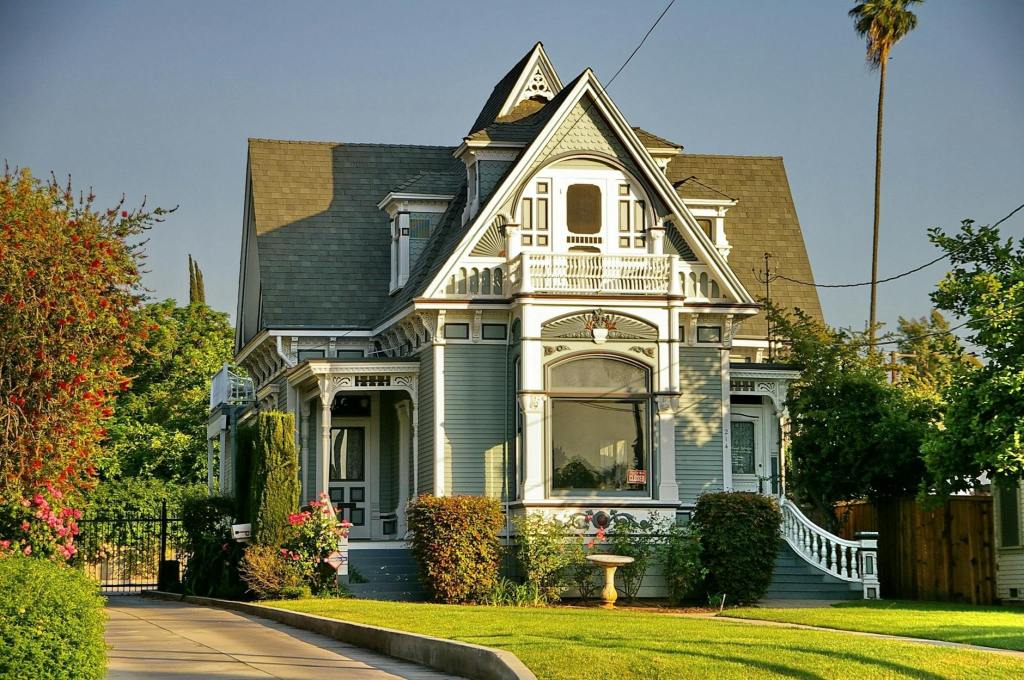
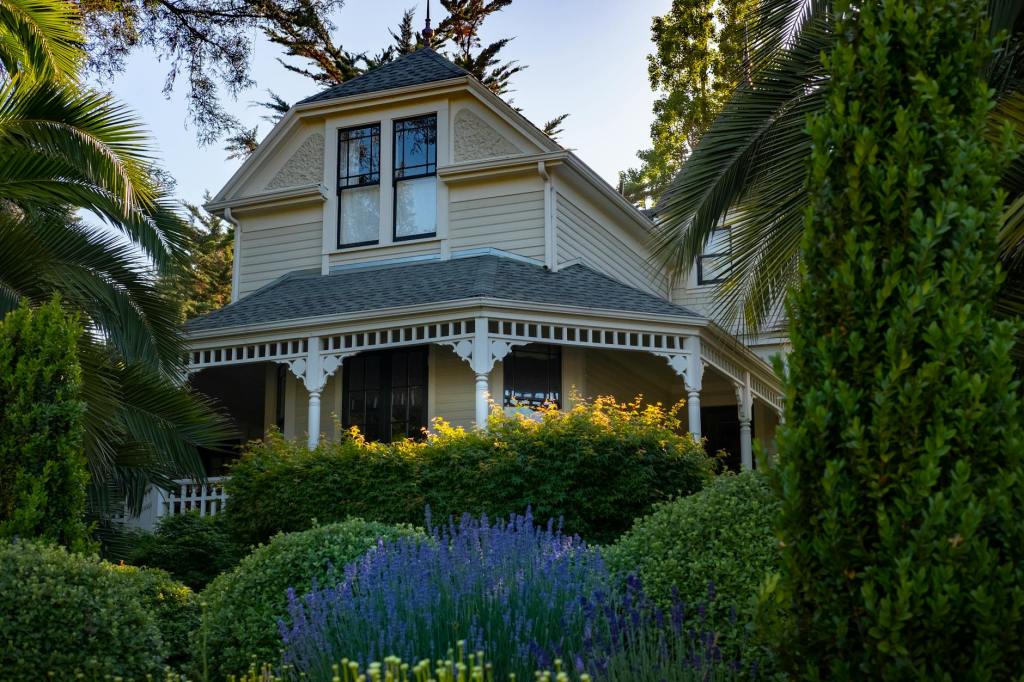
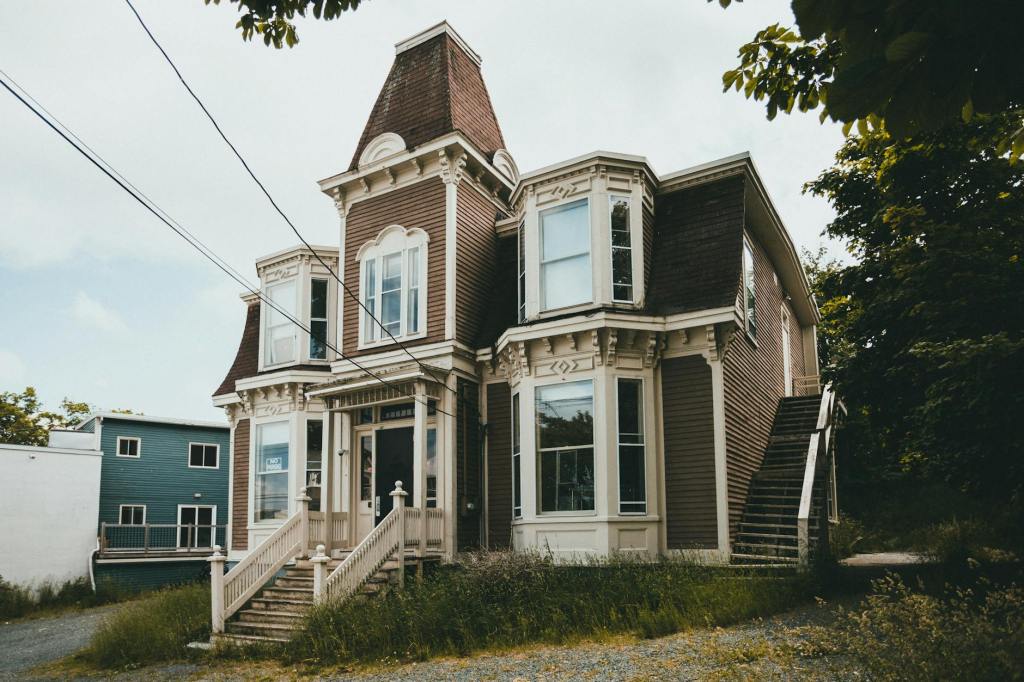
Key Features: Ornate trim (“gingerbread” detailing), towers/turrets, asymmetrical shapes, vibrant colors
Common Materials: Wood, stone, brick
Regions: Throughout the U.S., especially in historic towns and cities
Victorian homes are full of flair, fantasy, and flourishes. Built during the reign of Queen Victoria, this category includes substyles like Queen Anne, Italianate, and Gothic Revival. These houses often look like they stepped out of a fairy tale—or maybe a ghost story—depending on the vibe!
3. Craftsman (1905–1930)
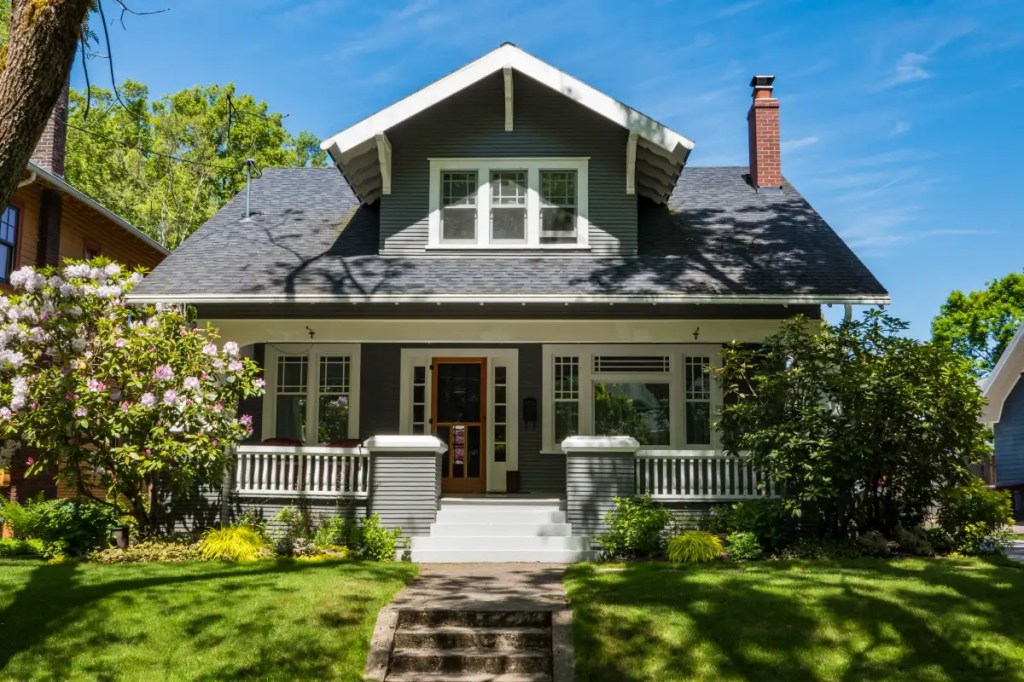
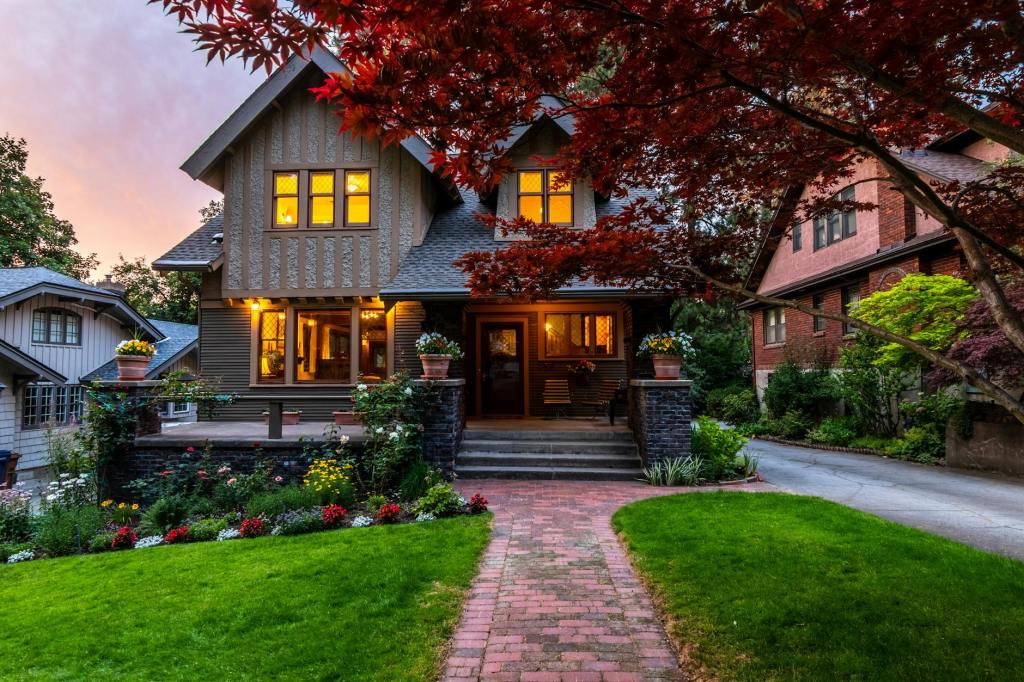
Key Features: Low-pitched roof, wide overhangs, exposed rafters, tapered porch columns
Common Materials: Wood, stone, brick
Regions: Nationwide, especially West Coast and Midwest
Craftsman homes are all about honesty in materials and attention to handcrafted detail. Originating from the Arts and Crafts movement, these bungalows celebrate simplicity, built-in furniture, and cozy, functional spaces. They often feature deep porches perfect for morning coffee or waving at neighbors.
4. Cape Cod (1700s–1950s)
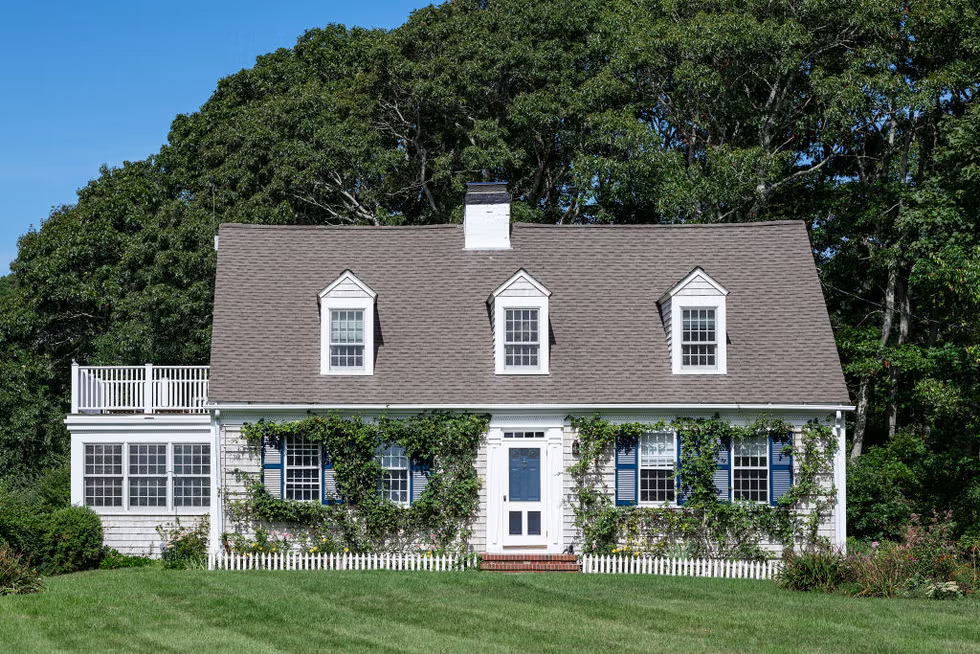
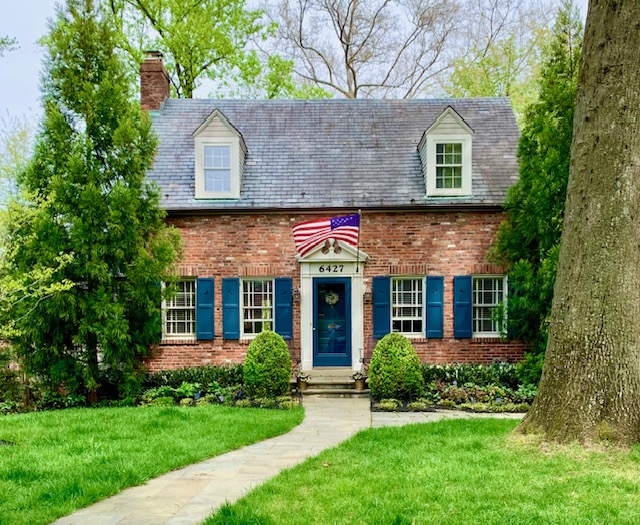
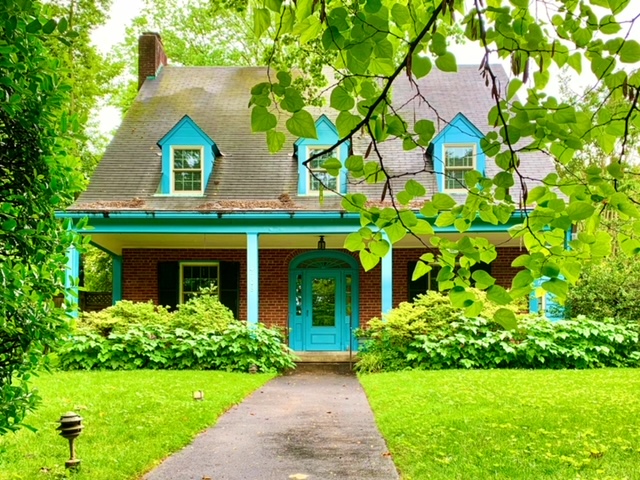
Key Features: Steep gabled roof, dormer windows, central chimney, minimal ornamentation
Common Materials: Wood siding (often shingle or clapboard)
Regions: Northeast, especially coastal areas
Originally designed to withstand harsh New England winters, Cape Cods are compact, practical, and endlessly charming. Many 20th-century suburbs adopted the style in postwar housing, giving it a timeless feel that blends old and new.
5. Tudor Revival (1890s–1940s)
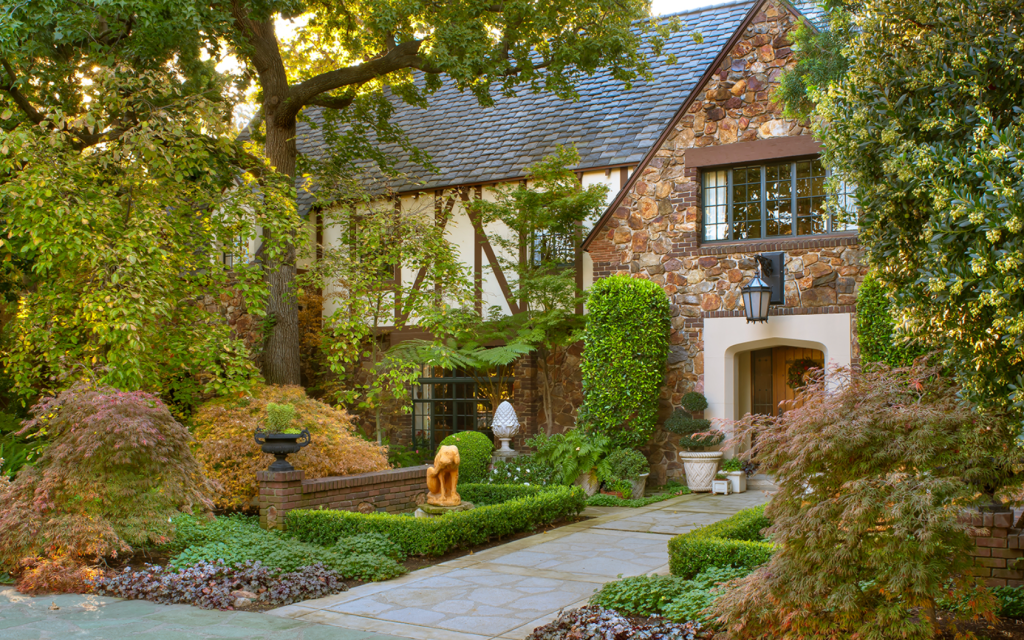
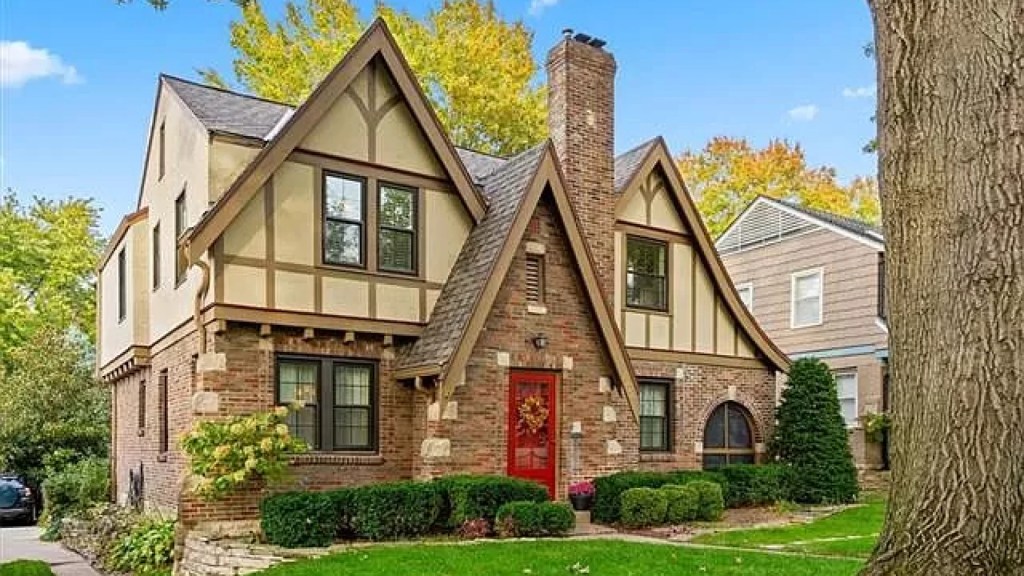
Key Features: Steeply pitched roof, decorative half-timbering, tall narrow windows, prominent chimneys
Common Materials: Stucco, stone, brick
Regions: Midwest, Northeast
Inspired by medieval English architecture, Tudor-style homes look like something out of a storybook. Their distinct half-timbering and sloped roofs make them easy to spot, especially in neighborhoods that feel frozen in time.
6. Greek Revival (1825–1860)
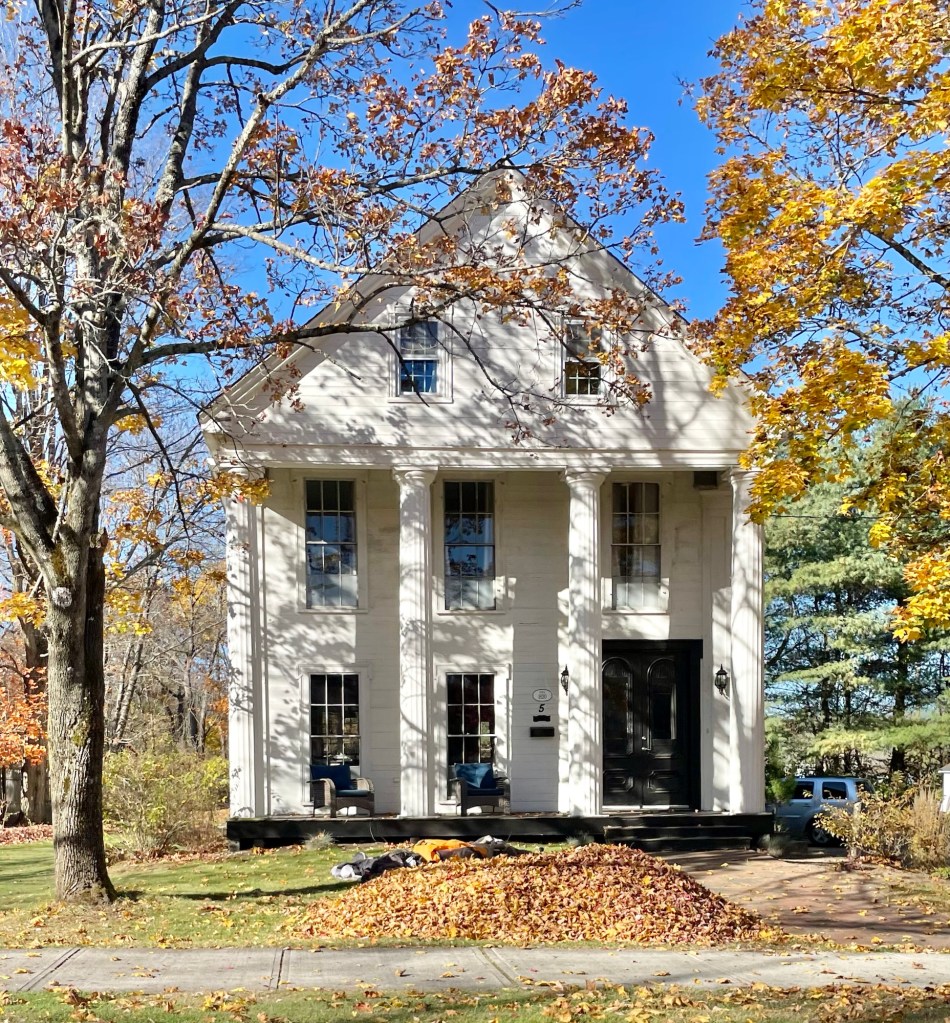
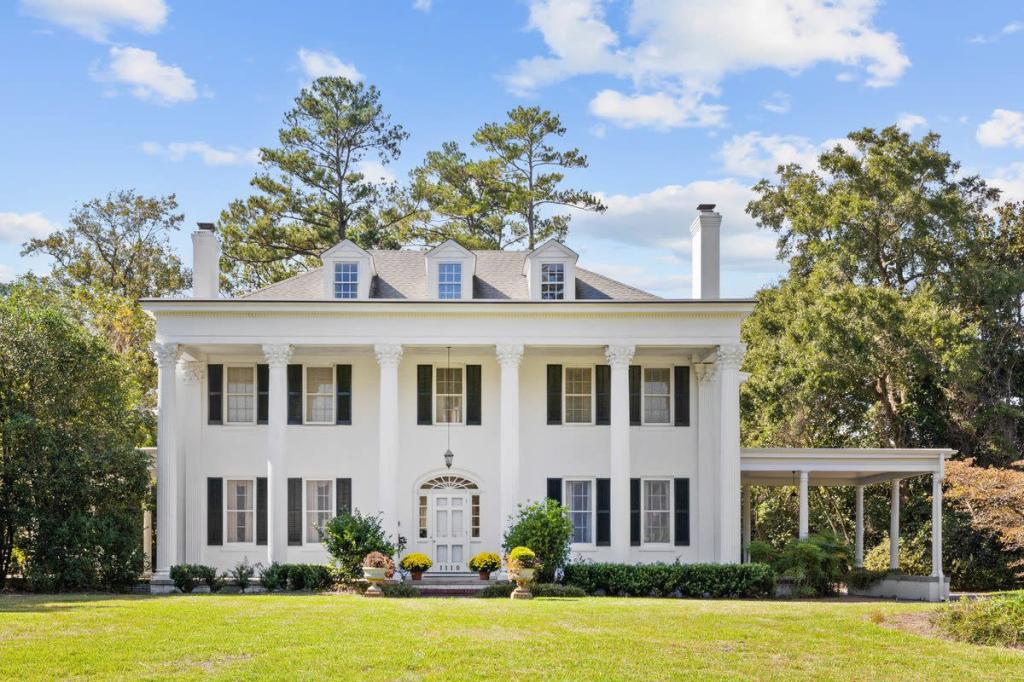
Key Features: Tall columns, symmetrical shape, pediments, bold moldings
Common Materials: Wood (often painted white), brick
Regions: South, Northeast, Midwest
During the early 19th century, America fell in love with ancient Greece’s ideals of democracy and beauty. Greek Revival homes were the result—stately and formal, often resembling mini temples. You’ll find these lining historic town squares and old plantations alike.
7. Mid-Century Modern (1945–1970s)
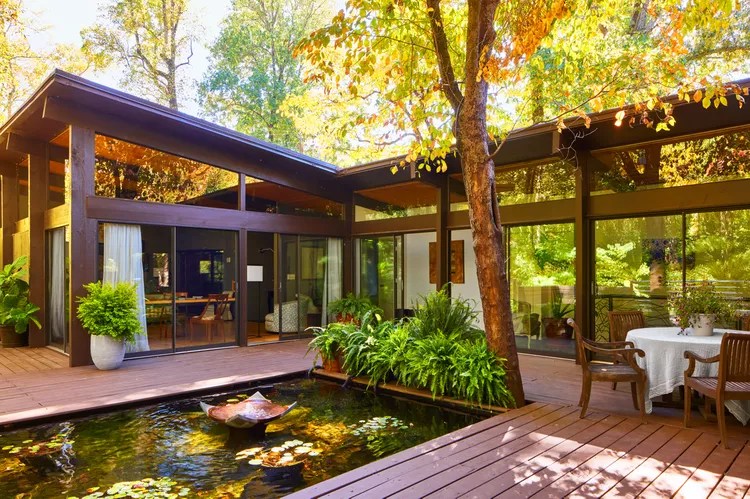
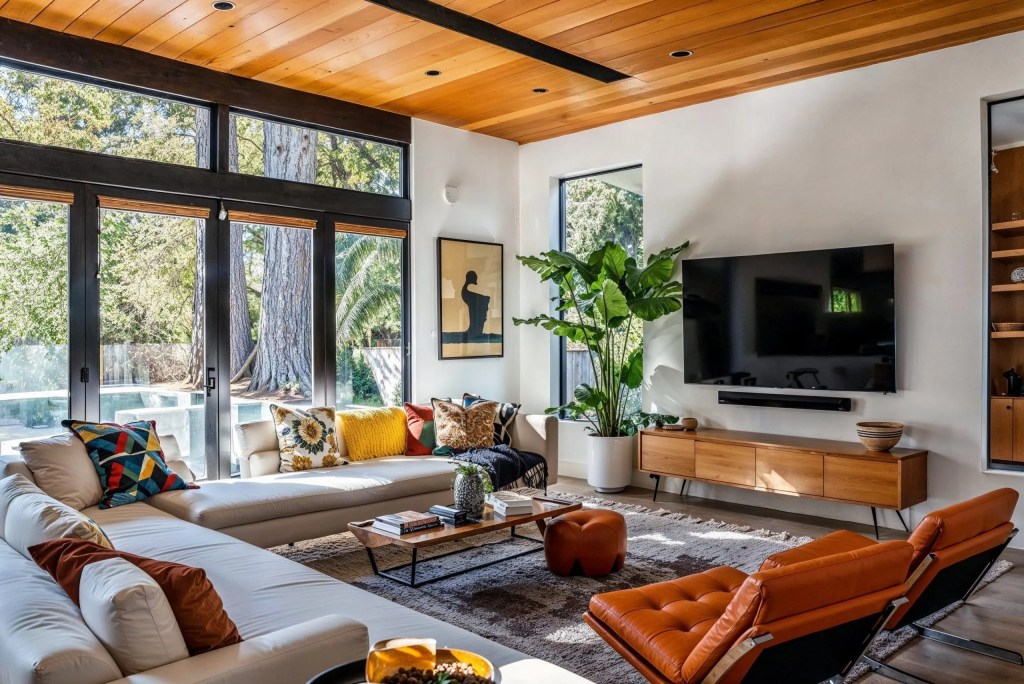
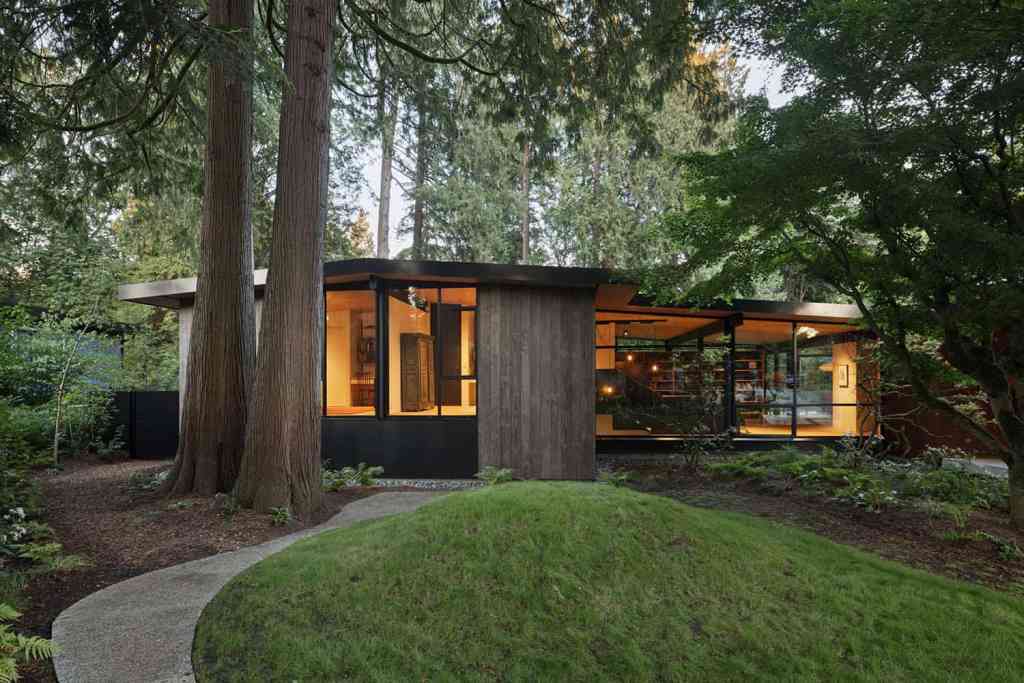
Key Features: Flat or low-sloped roofs, large glass windows, open floor plans, integration with nature
Common Materials: Glass, steel, concrete, wood
Regions: West Coast, especially California and the Southwest
Mid-century modern homes marked a dramatic shift toward sleek simplicity and innovation after WWII. Though they may seem newer than “historic,” many are now over 70 years old and celebrated for their minimalism, functionality, and connection to the outdoors.
8. Shotgun House (1800s–early 1900s)
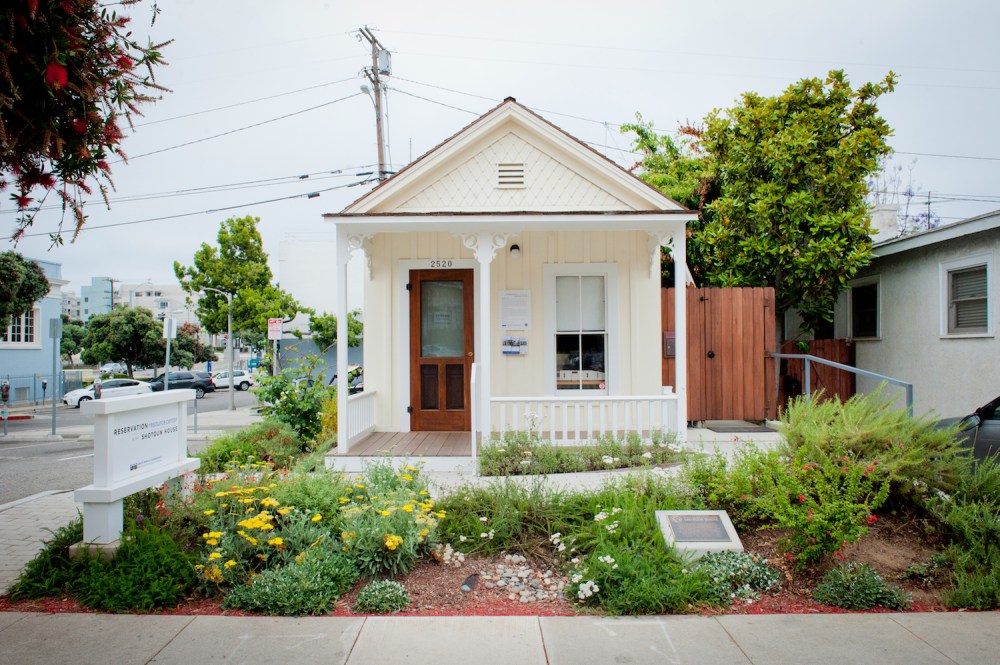
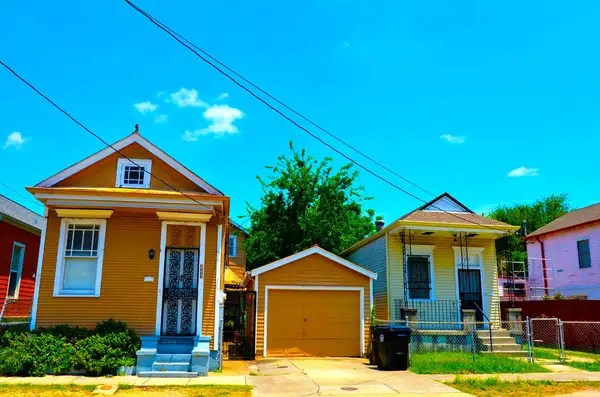
Key Features: Narrow rectangular layout, rooms in a straight line, front porch
Common Materials: Wood siding, brick
Regions: Southern U.S., especially New Orleans
These uniquely narrow homes—often no more than 12 feet wide—get their name from the idea that you could fire a shotgun through the front door and it would exit the back without hitting a wall. Designed to maximize space in dense areas, shotgun houses are a beloved symbol of Southern resilience and culture.
9. American Foursquare (1890s–1930s)
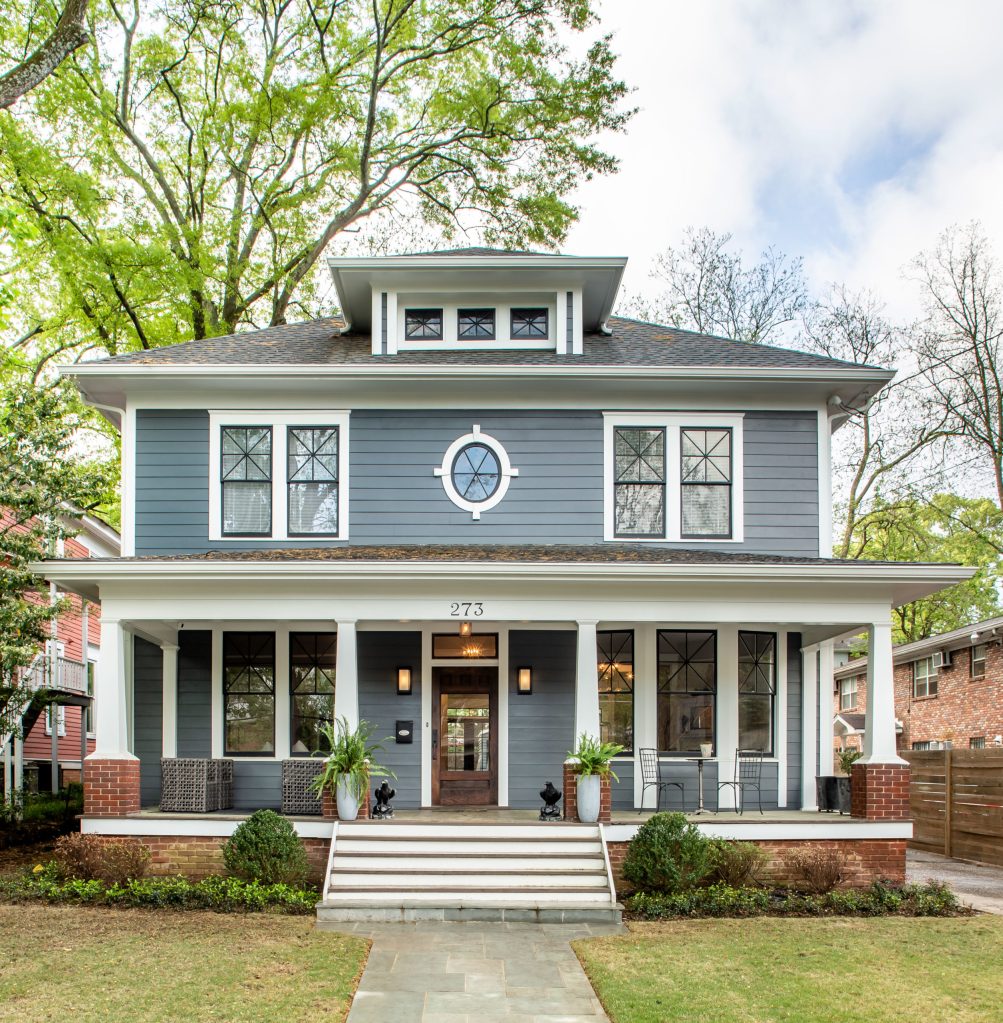
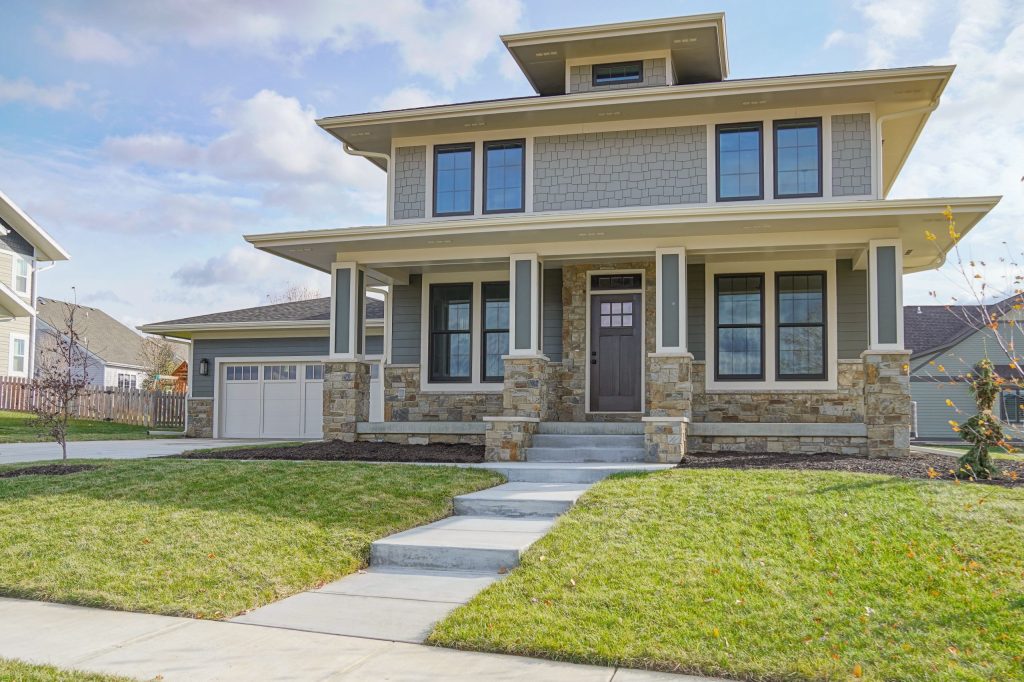
Key Features: Boxy shape, large front porch, dormer windows, practical layout
Common Materials: Brick, wood
Regions: Urban and suburban areas across the U.S.
The Foursquare is a “no-frills” classic: easy to build, efficient, and adaptable. With four rooms on each floor and a big porch out front, it was a favorite for growing families in the early 20th century. It’s an architectural blank canvas—and a favorite among old house renovators.
Bonus: How to Spot a Home Style in the Wild

Not sure what kind of house you’re looking at? Use these quick clues:
- Roof shape & pitch – Gabled, hipped, flat, or low?
- Windows & doors – Symmetry? Size? Decorative trim?
- Porch presence – Big and wide like a Craftsman, or columned like a Greek Revival?
- Materials & finishes – Stucco, wood, brick, stone?
- Overall vibe – Is it fancy and ornate, simple and clean, or sturdy and practical?
Bring a bit of curiosity, and you’ll start recognizing styles everywhere, even those hiding in plain sight.
Why It Matters: Homes as History
At Hidden Holms, we believe that every home has a story worth telling. By learning to recognize architectural styles, we gain a deeper appreciation for the people who built, lived in, and loved these homes before us. It’s not just about the way a house looks—it’s about its soul, its time period, and the culture that shaped it.
Whether you dream of restoring a Craftsman bungalow, researching your hometown’s Victorian homes, or just admiring old porches on a Sunday.
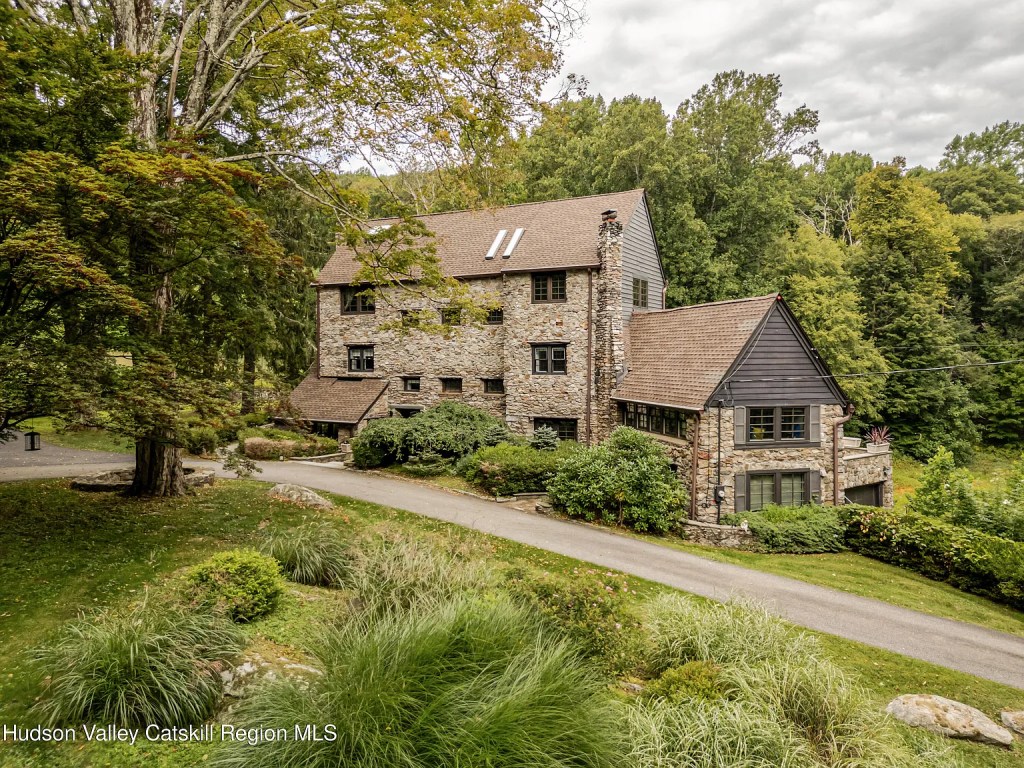
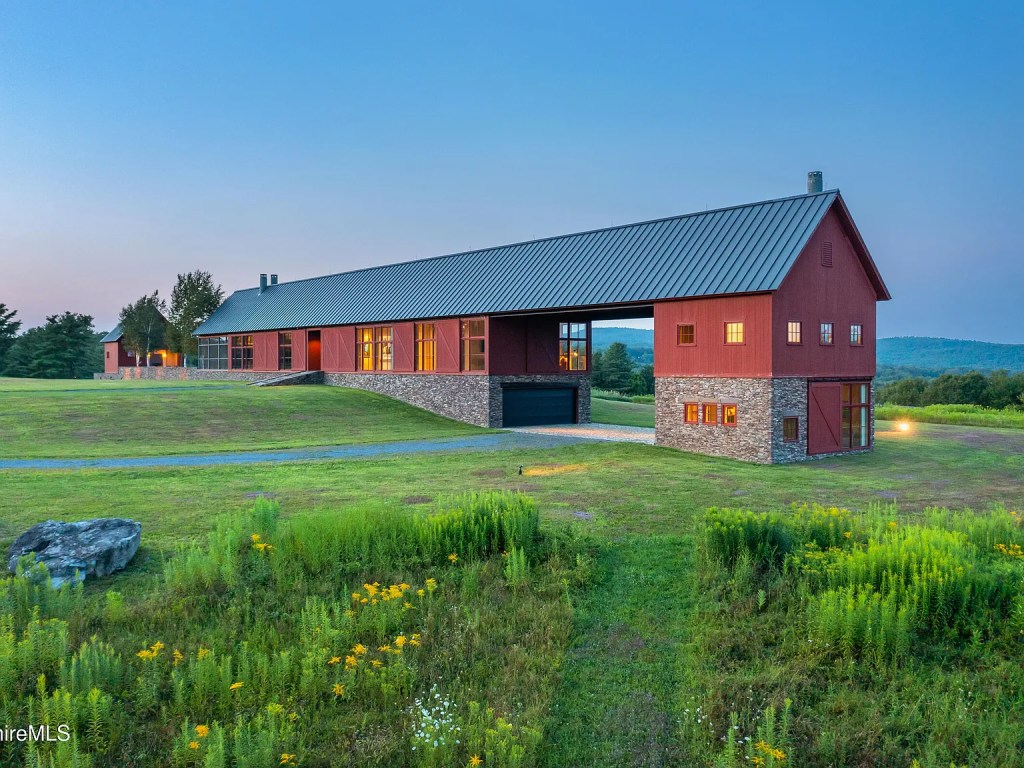
Disclaimer: Images used on this site are for illustrative purposes only. Stock photos represent general home aesthetics, while any real estate listing images are sourced from publicly available platforms and used under fair use guidelines. All rights to the original images remain with their respective copyright owners.


Leave a comment